

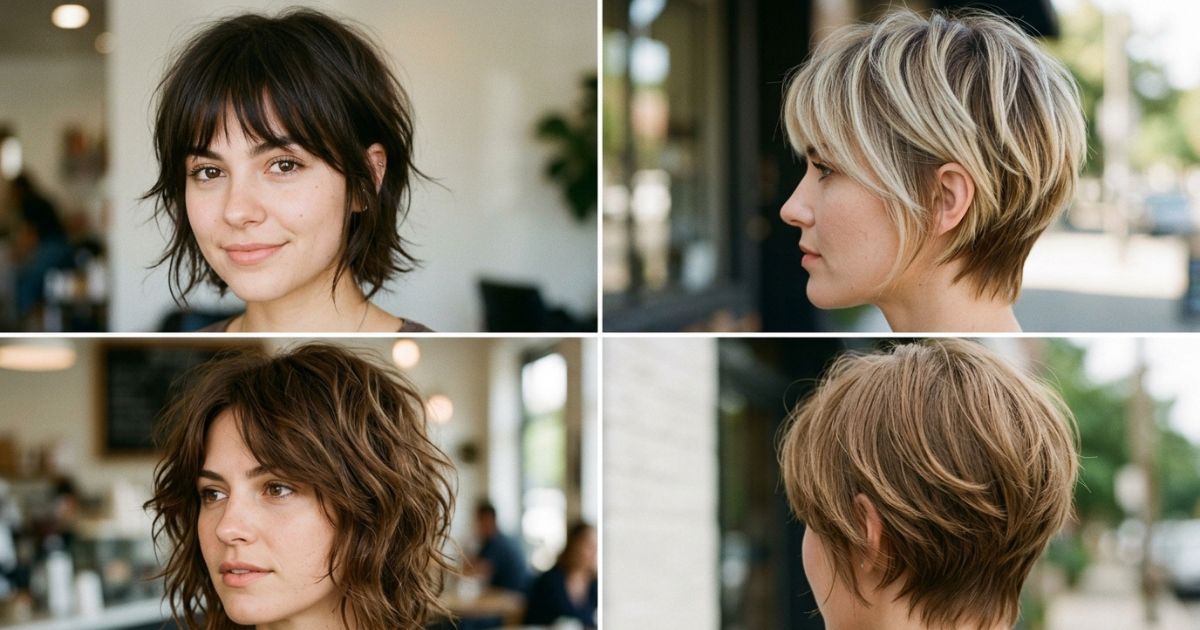
The bixie haircut is one of the most versatile short hairstyles for women who want a fresh, modern look. It combines the shape of a pixie cut with the softness and length of a bob. The result is a stylish haircut that feels light, textured, and easy to personalize.
Whether you prefer a classic finish, messy layers, soft bangs, or a bold modern style, there is a bixie haircut for different hair textures and personal preferences. In this guide, you will discover 15 stylish bixie haircut ideas, how to choose the right variation, and tips for styling and maintaining your hair.
What Is a Bixie Haircut?
A bixie haircut is a short hairstyle that combines features of a bob and a pixie cut. It usually has more length than a traditional pixie but is shorter and more layered than a classic bob. The shape can include soft layers, textured ends, a fuller crown, and pieces that frame the face.
One of the best things about the bixie is its flexibility. It can look sleek and polished, tousled and casual, or edgy and textured. Your stylist can adjust the length, layers, fringe, and overall shape to suit your hair type and the look you want.
Learn more:Short Hairstyles for Women: 10 Stylish Haircut Ideas for 2026
Why Is the Bixie Haircut So Popular?
The bixie haircut offers a balance between short-hair convenience and the styling options of a longer cut. It can add movement to straight hair, help curls form a defined shape, and create a soft, layered appearance.
Another reason people choose this haircut is that it can be customized in many ways. You can add curtain bangs, side-swept fringe, a tapered nape, or choppy layers. Instead of choosing one standard style, you can work with your hairstylist to create a bixie that suits your preferences and daily routine.
15 Stylish Bixie Haircut Ideas for Women
1. Classic Bixie Haircut

The classic bixie combines a pixie-style shape with the longer sides and softness of a bob. The layers create movement without making the haircut look too short. This option works well for anyone who wants to try short hair while keeping some length around the ears and face.
Ask your hairstylist to customize the sides and back based on your hair texture. A light styling cream can help define the layers and keep the finish looking natural.
2. Layered Bixie Haircut
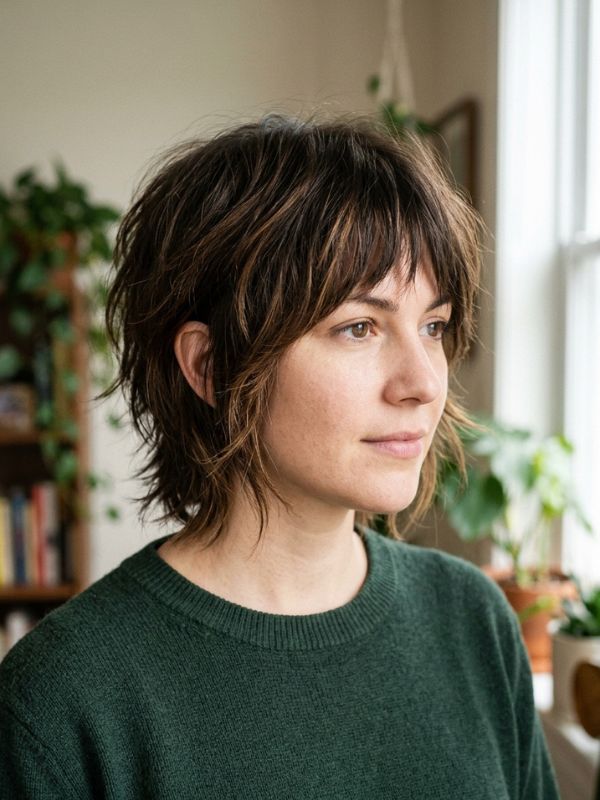
A layered bixie features different lengths throughout the haircut to create texture and movement. The layers can help reduce a bulky appearance in thick hair and give fine hair a more dimensional finish when carefully placed.
For everyday styling, apply a small amount of lightweight mousse or styling cream. Use your fingers or a brush to shape the layers while drying your hair.
3. Textured Bixie Haircut
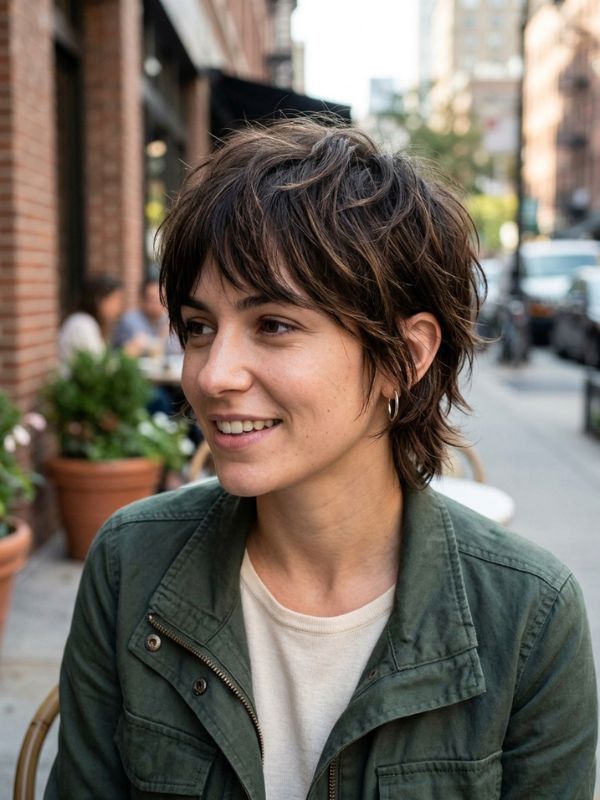
A textured bixie has choppy ends and separated layers for a relaxed, modern finish. It is a good option for people who prefer hairstyles that do not look overly smooth or carefully arranged.
To style this haircut, use a small amount of texturizing product and gently shape individual sections with your fingers. Avoid using too much product because it may make the hair look heavy.
4. Bixie Haircut with Curtain Bangs

Curtain bangs add a soft frame around the forehead and sides of the face. When paired with a bixie, they create a blended look that connects the fringe with the shorter layers around the head.
This variation is worth considering if you like bangs but do not want a heavy, straight fringe. Ask your stylist to choose a bang length that works with your preferred parting and styling routine.
5. Bixie Haircut with Side-Swept Bangs
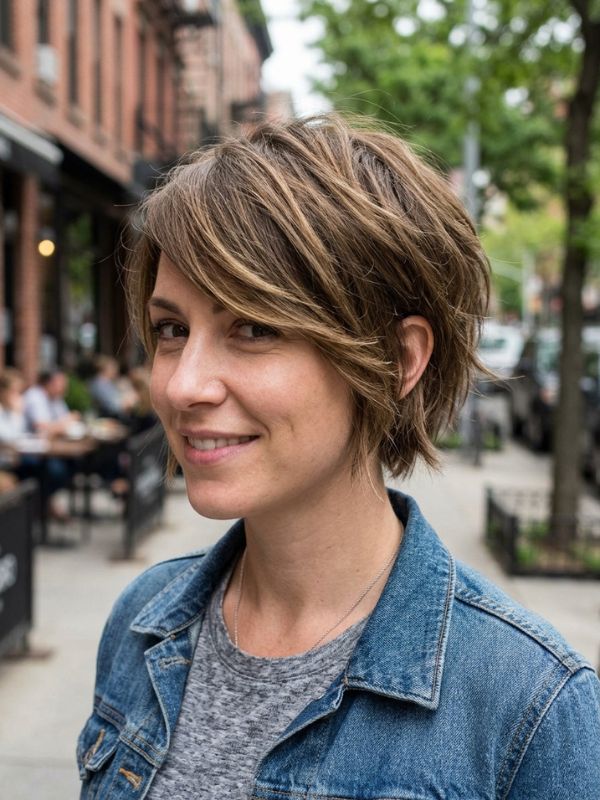
Side-swept bangs add direction and softness to a bixie haircut. They can be styled across the forehead or blended into the longer side layers for a more subtle appearance.
This style is flexible enough for casual and polished looks. A round brush can help direct the fringe while blow-drying, but you can also let it air-dry for a softer finish.
6. Wavy Bixie Haircut

A wavy bixie works with the natural bends and movement of wavy hair. Soft layers can help the waves look more defined while keeping the haircut light and easy to style.
Apply a lightweight curl cream or wave-enhancing product to damp hair. Scrunch gently and allow it to air-dry, or use a diffuser on a low setting if that suits your routine.
7. Curly Bixie Haircut

A curly bixie celebrates natural curls with a shorter, layered shape. The length and placement of the layers are important because curls can spring up when dry, making the haircut appear shorter than expected.
Choose a stylist who understands curly hair and can cut it with your natural curl pattern in mind. A moisturizing leave-in product can help maintain definition and reduce frizz.
8. Bixie Haircut for Fine Hair
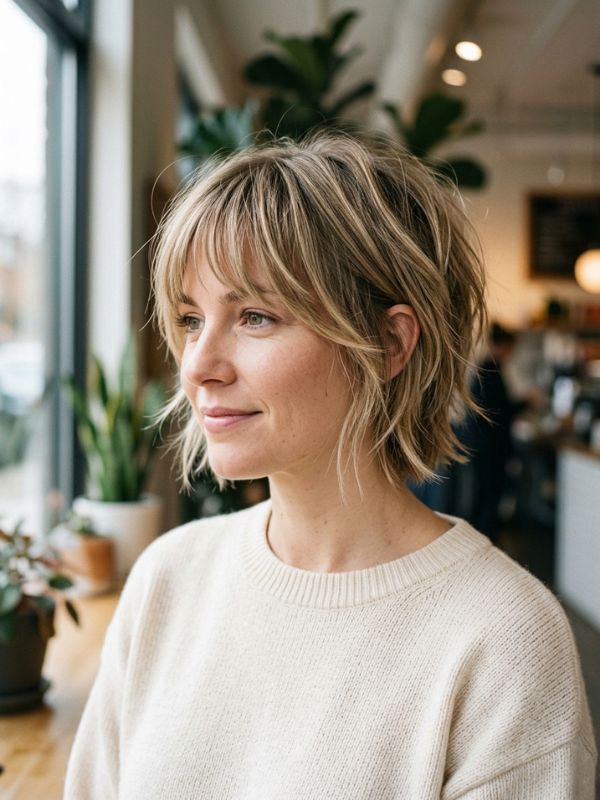
A bixie for fine hair often uses carefully placed layers to create movement without removing too much fullness. A slightly fuller crown and softly shaped sides may help the haircut appear more dimensional.
Heavy products can weigh fine hair down, so consider a lightweight mousse or root-lifting product. Your stylist can recommend a shape that works with your hair’s natural density.
9. Bixie Haircut for Thick Hair

A bixie for thick hair can use internal layers and carefully shaped ends to manage bulk. The goal is to create movement while preserving a balanced silhouette rather than making every section extremely short.
Talk with your stylist about where weight should be removed. The right approach depends on whether your hair is straight, wavy, or curly and how much styling you want to do each day.
10. Short Bixie Haircut

The short bixie sits closer to the pixie side of the style, with shorter sides and back and some length left on top. It offers a compact shape with enough texture to keep the look soft.
This variation may suit people who want a noticeable change and are comfortable with regular trims. Styling can be as simple as shaping the top with a small amount of cream or paste.
11. Long Bixie Haircut

A long bixie keeps extra length around the ears, sides, or nape. It is a useful option if you like the look of short hair but want a little more coverage and movement.
The longer pieces can be tucked behind the ears, swept to the side, or styled forward. Ask your stylist to keep the outline balanced so the haircut does not become unintentionally bulky as it grows.
12. Shaggy Bixie Haircut

The shaggy bixie features relaxed layers and a slightly undone finish. It can create a casual, lived-in look and works particularly well when the haircut is adapted to the hair’s natural texture.
A light texturizing spray can emphasize the layers. For a softer finish, use a small amount of cream and avoid making every piece look too defined.
13. Sleek Bixie Haircut
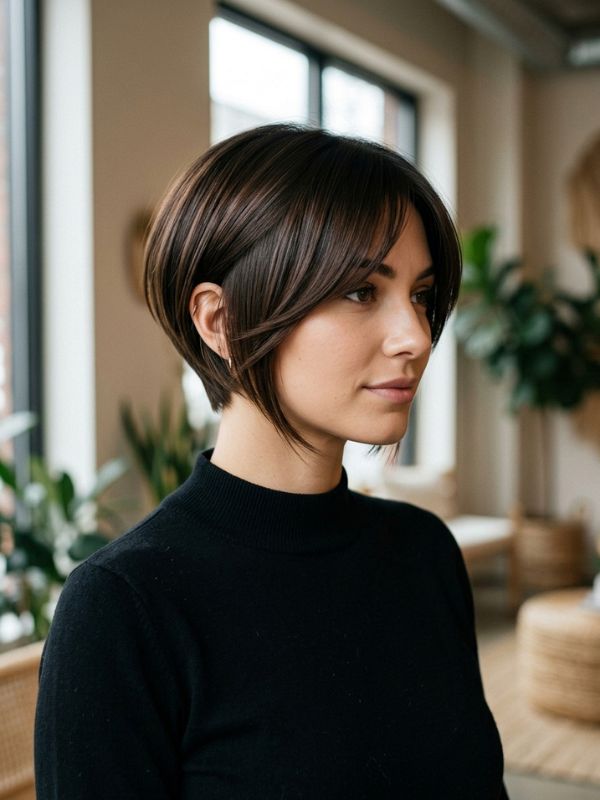
A sleek bixie has smoother lines and a more polished appearance. The shape may include neat sides, controlled layers, and a clean outline around the nape.
Use a heat protectant before blow-drying or using a flat iron. Keep the temperature appropriate for your hair and finish with a lightweight smoothing product if needed.
14. Asymmetrical Bixie Haircut

An asymmetrical bixie features one side that is slightly longer than the other. This creates an angled shape that feels distinctive without requiring bright color or dramatic styling.
The difference in length can be subtle or more noticeable, depending on your preference. Ask your hairstylist to consider your natural parting and how the haircut will look from the front and side.
15. Bixie Haircut with Tapered Nape
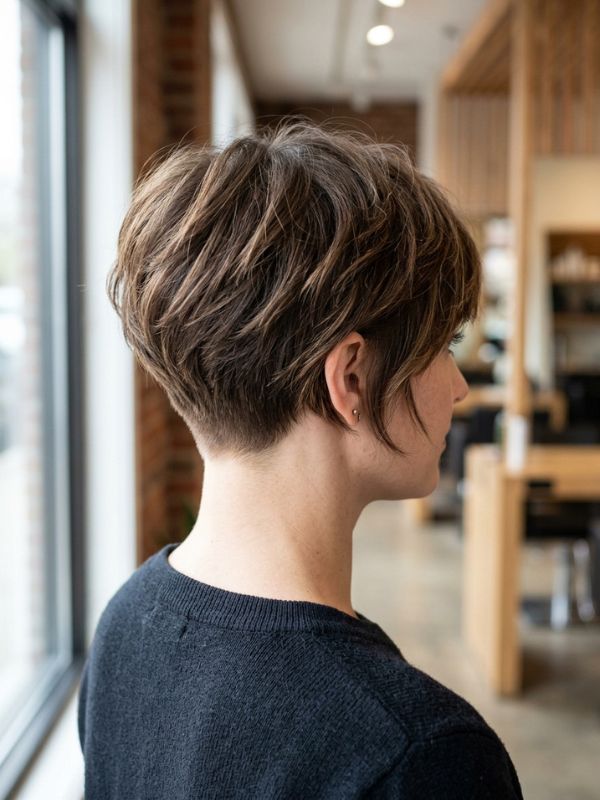
A bixie with a tapered nape has a shorter, neatly shaped area at the back of the neck while keeping more length around the crown and sides. This can give the haircut a clean outline.
The taper can be subtle or more defined. Because the back grows out over time, regular maintenance may help preserve the intended shape.
Bixie Haircut Comparison Table
The following table compares popular bixie variations to help you decide which style to discuss with your hairstylist.
| Bixie Style | Main Feature | Hair Type to Consider | Styling Effort |
| Classic Bixie | Balanced bob-pixie shape | Straight or wavy | Low to moderate |
| Layered Bixie | Movement and layers | Fine, medium, or thick | Low to moderate |
| Textured Bixie | Choppy, separated ends | Straight or wavy | Low to moderate |
| Curtain Bangs Bixie | Soft face-framing fringe | Straight or wavy | Moderate |
| Side-Swept Bixie | Swept fringe | Most hair types | Low to moderate |
| Wavy Bixie | Natural wave definition | Wavy | Low to moderate |
| Curly Bixie | Shape built around curls | Curly | Moderate |
| Fine-Hair Bixie | Carefully placed layers | Fine | Low to moderate |
| Thick-Hair Bixie | Shaped layers to manage bulk | Thick | Moderate |
| Short Bixie | Shorter, pixie-inspired shape | Most hair types | Low to moderate |
| Long Bixie | Extra length around the sides | Straight or wavy | Moderate |
| Shaggy Bixie | Relaxed, uneven layers | Wavy or textured | Low to moderate |
| Sleek Bixie | Smooth, polished outline | Straight or lightly wavy | Moderate |
| Asymmetrical Bixie | Uneven side lengths | Straight or wavy | Moderate |
| Tapered-Nape Bixie | Neat, short back | Most hair types | Moderate maintenance |
Styling effort varies with hair texture, haircut shape, and personal preference.
How to Choose the Right Bixie Haircut
Consider Your Hair Texture
Your natural texture affects how a bixie falls and how much styling it needs. Straight hair may show the haircut’s outline clearly, while wavy hair can create a softer finish. Curly hair often needs a shape that accounts for shrinkage and the way curls sit when dry.
Bring a few reference photos to your appointment and explain how you normally wear your hair. A stylist can adapt the cut rather than copying a picture exactly.
Think About Your Daily Routine
If you prefer a quick routine, choose a bixie that works with your natural texture and needs minimal heat styling. A more sculpted or sleek version may require extra time with a brush or styling tool.
Be realistic about how much time you want to spend on your hair. A good haircut should fit your everyday routine as well as your preferred look.
Choose Bangs Carefully
Bangs can change the overall appearance of a bixie. Curtain bangs offer a softer blend, side-swept bangs create direction, and shorter fringe gives the haircut a more distinctive finish.
Ask your stylist about upkeep before choosing bangs. Some fringe styles need more frequent trimming or daily styling to maintain their shape.
Discuss Maintenance Before Cutting
Short haircuts can require regular trims to keep their outline and layers in shape. The exact schedule depends on how quickly your hair grows and how structured the cut is.
If you prefer a longer gap between salon visits, ask for a bixie that grows out gracefully. Your stylist can explain which areas may need the most attention.
How to Style a Bixie Haircut at Home
Start with clean, damp hair and use a styling product suited to your texture. Lightweight mousse may help add body, while curl cream can support natural curls and waves. A small amount of texturizing cream can define choppy layers.
Use a blow-dryer and brush if you want a smoother finish, or let your hair air-dry for a more relaxed look. If you use heat tools, apply a heat protectant and avoid excessive heat. Finish by adjusting the fringe and layers with your fingers.
How Often Should You Trim a Bixie Haircut?
A bixie may need trimming every several weeks to maintain its original shape, especially if it has a short nape, defined fringe, or sharply shaped sides. Softer, longer versions may remain wearable for longer between appointments.
Your ideal schedule depends on your haircut and how you want it to grow out. Ask your stylist when to book your next trim and which small changes you can make at home between visits.
Common Bixie Haircut Mistakes to Avoid
One common mistake is choosing a reference photo without considering your own hair texture. The same haircut may look different on straight, wavy, and curly hair. Discuss how the style will behave with your stylist before making a big change.
Another mistake is using too much styling product. Heavy products can make short layers look flat or greasy. Start with a small amount and add more only if necessary. Finally, do not overlook maintenance: a few well-timed trims can help the haircut retain its intended shape.
Frequently Asked Questions
1. What Is the Difference Between a Bixie and a Pixie Cut?
A pixie is usually shorter and more compact, while a bixie combines pixie-inspired layers with extra length and the softer outline of a bob.
2. Is a Bixie Haircut Suitable for Fine Hair?
Yes. A carefully shaped bixie can create movement in fine hair. Ask your stylist to avoid removing too much fullness and choose lightweight styling products.
3. Can You Get a Bixie Haircut with Curly Hair?
Yes. A curly bixie can highlight natural curls, but the stylist should account for curl pattern, shrinkage, and how the hair sits when dry.
4. Is a Bixie Haircut Easy to Maintain?
It can be relatively easy to style, depending on your hair texture and chosen shape. Shorter, more structured versions may need more frequent trims to retain their outline.
5. Can a Bixie Haircut Include Bangs?
Yes. A bixie can be paired with curtain bangs, side-swept fringe, or shorter bangs. Choose a style that fits your preferred look and daily styling routine.
Conclusion
The bixie haircut is a versatile choice for women who want a short hairstyle that blends the shape of a bob with the texture of a pixie. From a classic or layered bixie to curly, shaggy, sleek, and asymmetrical variations, there are many ways to personalize the cut.
Before choosing your style, consider your natural texture, daily routine, and preferred maintenance level. Save a few reference photos and discuss them with your hairstylist. With a shape that works for your hair, a bixie can be a practical and stylish option throughout 2026.