


The buzz cut never goes out of style. It’s short, clean, and easy to keep up. Guys love it because it takes almost no effort in the morning. This guide, Buzz Cut, breaks down every option you have. From a bold induction cut to a soft crew cut, there’s a version that fits your face and your lifestyle.
That’s exactly why Buzz Cut exists. You’ll find real barber tips here, not guesswork. We’ll cover lengths, fades, and face shapes. We’ll also show you how to talk to your barber. By the end of Buzz Cut, you’ll know exactly which buzz cut to ask for next.
Types Of Buzz Cut Lengths
The buzz cut isn’t one single haircut. It’s a whole family of styles. Each length gives you a different look and feel. Some sit close to the scalp. Others leave a bit more on top. Knowing the difference helps you walk into the barbershop with confidence.
Length changes everything about a buzz cut. It changes how sharp your features look. It changes how easy the cut is to maintain too. Pick the wrong length and the cut just won’t suit you. Pick the right one and you’ll wonder why you waited so long to try it.
Induction Buzz Cut
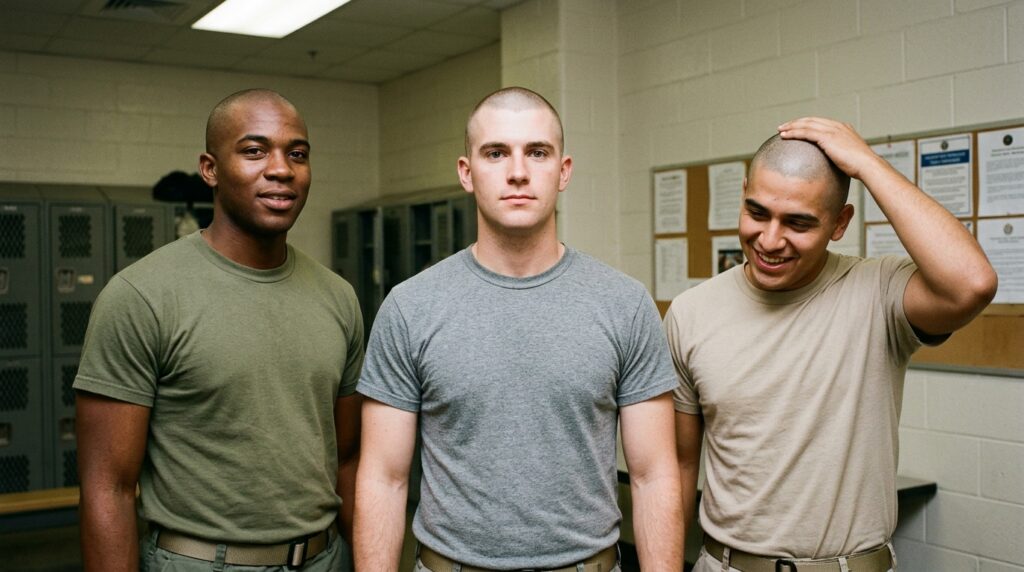
The induction buzz cut is about as short as hair gets without a razor. Barbers use clippers with no guard at all. It’s the same cut military recruits get on day one. There’s nothing to style and nothing to fuss over.
This cut works best on guys with strong, defined features. A sharp jawline or clean bone structure really shines here. It’s bold and it’s honest. There’s no hiding behind this haircut, and that’s exactly the point.
How To Get The Look:
Ask your barber for clippers set to zero, no guard attached. That gets you the closest cut possible without an actual shave. Your barber will then clean up the hairline and neckline for sharp, crisp edges.
For a modern twist, pair the induction cut with a skin fade on the sides. This adds contrast and keeps the style from looking too plain. It’s a small change that makes a big visual difference.
Why It Works:
This cut demands zero effort once you’re out the door. No comb, no product, no morning routine. You wake up, and you’re already done. That kind of simplicity is rare in men’s grooming.
It also draws attention straight to your face. Strong jawlines and defined features get to do all the talking. If you’ve got the bone structure for it, this cut won’t let it go unnoticed.
Burr Cut

The burr cut sits just above the induction in length. Barbers use a #1 or #2 guard for this one. It’s still short, still low-maintenance, but a touch softer. Think of it as the induction cut’s slightly friendlier cousin.
It suits nearly every face shape without much risk. The added length smooths out sharp edges a little. Combine it with light stubble, and you’ve got a rugged, put-together look that takes almost no time to achieve.
How To Get The Look:
Have your barber run a #1 or #2 guard evenly across your whole head. Consistency matters here, so don’t rush the process. Once the length’s set, ask for a clean line-up around the hairline.
Want something a bit more current? Add a low or high fade on the sides. It transforms a simple buzz into a sharper, more tailored style, without changing the low-maintenance nature of the cut itself.
Why It Works:
Guys with thinning hair often find this cut especially flattering. The short, even length reduces contrast between hair and scalp. That trick alone can make hair look fuller than it actually is.
It’s also just easy to live with. Wash and go, every single day. Add a beard, and you’ve got a masculine, grounded look that works in almost any setting, casual or otherwise.
Butch Cut

The butch cut brings a little more coverage than the burr. Barbers typically use a #2 to #4 guard here. It’s still short and still simple, but it reads as more polished. Think office-appropriate rather than boot camp.
This length softens the overall effect without losing any of the practicality. It’s a great middle ground. You get the low-maintenance appeal of a buzz cut, plus enough length to feel a little more put-together.
How To Get The Look:
Ask your barber for an even #3 or #4 all over your head. Keeping the length consistent is key to that classic, tidy finish. From there, a fade or taper on the sides adds sharper contrast.
If you want texture, a light matte cream or pomade works well. Just a small amount, worked through with your fingers, gives the top some movement without looking overdone.
Why It Works:
The butch cut hits a sweet spot between edgy and professional. It’s short enough to stay low-maintenance, yet long enough to feel intentional. That balance makes it a smart pick for work and weekends alike.
It also just looks confident without trying too hard. You don’t need product, though a little helps. Either way, this cut says you’ve got your act together, and that’s a good message to send.
Brush Cut
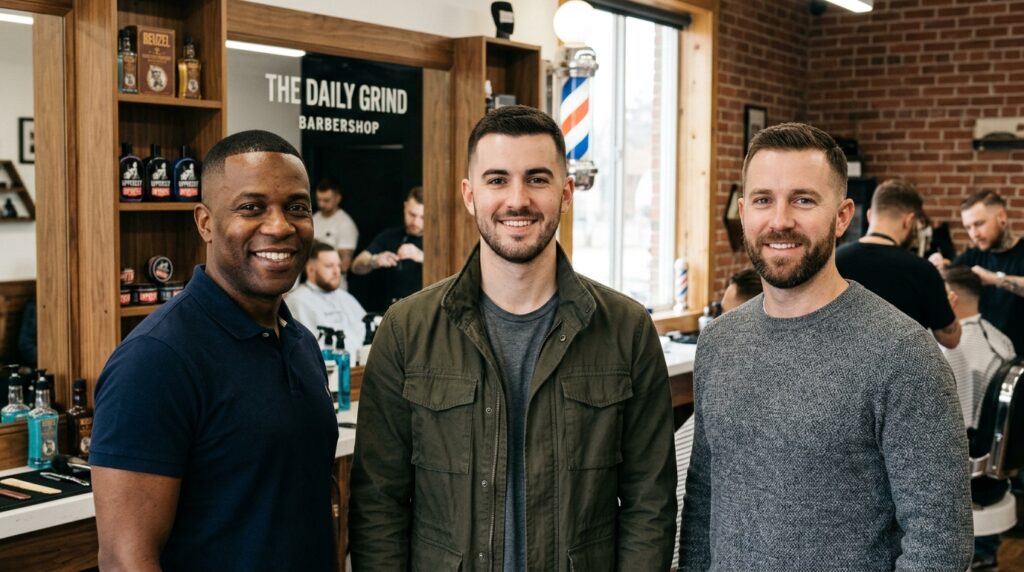
The brush cut adds texture to the standard buzz. The sides get tapered or faded down. The top stays short but stands up, almost like bristles. It’s a distinctive style that photographs well and holds its shape all day.
This one leans a bit more disciplined and structured than other buzz variations. It has military roots but wears a more polished, modern finish. A little styling product goes a long way toward making it pop.
How To Get The Look:
Get the sides faded short and neat, tapering cleanly into the neckline. On top, leave about half an inch to a full inch of hair. Cut it evenly so the strands can stand upright on their own.
Use a firm-hold clay, wax, or texturizing pomade to lock the top in place. Work the product through damp hair, then style it upward for that signature brushed finish.
Why It Works:
This cut has serious presence. It draws the eye straight to your facial features and holds attention there. There’s nothing accidental about how it looks, and people notice that.
It also strikes a nice balance between rugged and refined. You get the disciplined feel of a military cut, dialed up just enough to feel current. Low effort, high impact, every single time.
High And Tight

The high and tight pairs a very short side with noticeably longer hair on top. Barbers shave or heavily fade the sides, while the top holds anywhere from half an inch to two inches. The contrast is the whole point here.
It’s one of the boldest buzz cut variations out there. Some guys keep it understated with a soft fade. Others go for the shaved-sides version, which reads as far edgier and more dramatic.
How To Get The Look:
Request a high skin fade, or ask your barber to shave the sides close to the scalp. This sets up the sharp contrast the style is known for. The top gets buzzed to your preferred length next.
For a classic look, keep the top around half an inch. Want more texture instead? Push it closer to two inches for a crew-cut feel, then finish with a matte clay if you like definition.
Why It Works:
Few cuts create contrast quite like this one. The dramatic difference between the sides and top makes a real visual statement. It’s clean, it’s bold, and it doesn’t blend into the background.
Maintenance-wise, it’s still pretty forgiving. The short sides hide regrowth well between visits. Whether you keep it traditional or dress it up with texture, this cut commands attention without much daily effort.
Long Buzz Cut

The long buzz cut leaves noticeably more length than the shorter variations. Barbers usually reach for a #5 or #6 guard here. It’s soft enough to flatter more face shapes, yet still fits the “buzz cut” category overall.
This version bridges the gap between ultra-short styles and something you can actually style a bit. A low, mid, or high fade adds contrast on the sides. It’s flexible, forgiving, and easy to dress up or down.
How To Get The Look:
Have your barber use a #5 or #6 guard evenly across the top. This length leaves enough hair to soften your features and add a touch of texture. Pair it with a fade for a cleaner, more finished silhouette.
Once you’re home, a matte cream or paste helps add movement. Work a small amount through slightly damp hair, then shape it however you like. It’s forgiving enough to experiment with different looks.
Why It Works:
You get real flexibility with this cut, more than shorter buzz styles allow. There’s enough length to play with texture and shape on different days. That versatility makes it a favorite for guys who like variety.
It also softens facial features nicely, which suits more face shapes than the shortest cuts do. Practical, adaptable, and still low-maintenance, it’s a smart pick if you’re not ready to commit to something too extreme.
Crew Cut

The crew cut is the longest style in the buzz cut family. The top runs an inch or two, while the sides stay short with a taper or fade. That extra length opens up real styling options, unlike most buzz variations.
You can push it to the side, spike it up, or brush it forward for something more relaxed. It’s a preppy, clean-cut classic. Students, professionals, and athletes all gravitate toward this one for good reason.
How To Get The Look:
Ask for short, tapered or faded sides to keep the profile sharp. On top, leave one to two inches of length for styling room. That extra length gives you options the shorter buzz cuts simply don’t offer.
Finish with a hair clay, matte pomade, or light cream for control. Comb or finger-style it into place, depending on the look you’re going for. It works messy or neat, your call.
Why It Works:
The crew cut blends classic style with real everyday versatility. It suits nearly any setting, from the office to a night out. That range is exactly why it’s stayed popular for so long.
Low maintenance, yet flexible enough to dress up when needed, this cut just works. Whether you keep it simple or add a fade, you’ll get a look that feels polished without demanding much of your time.
Popular Men’s Buzz Cut Styles
Buzz Cut Fade

This style blends a short top with gradually fading sides. The fade creates sharp contrast and adds a sleek, modern edge to the classic buzz.
It’s minimal but never boring. A mid or low skin fade works especially well here. Add a line-up, and the whole look feels sharper and more finished.
Classic Buzz Cut

The classic buzz stays even all over, no fade, no fuss. It’s the original version, and it still holds up decades later.
You can DIY this one at home with basic clippers. Or head to your barber for regular trims. Either way, it stays clean and confident with almost no effort.
High Fade Buzz Cut

A high fade starts above the temple and tapers down fast. It creates bold contrast against the short hair sitting on top of your head.
Barbers usually use a #1 to #3 guard for the fade itself. The result looks sharp, defined, and easy to wash and go every single morning.
Long Buzz Cut with Taper Fade
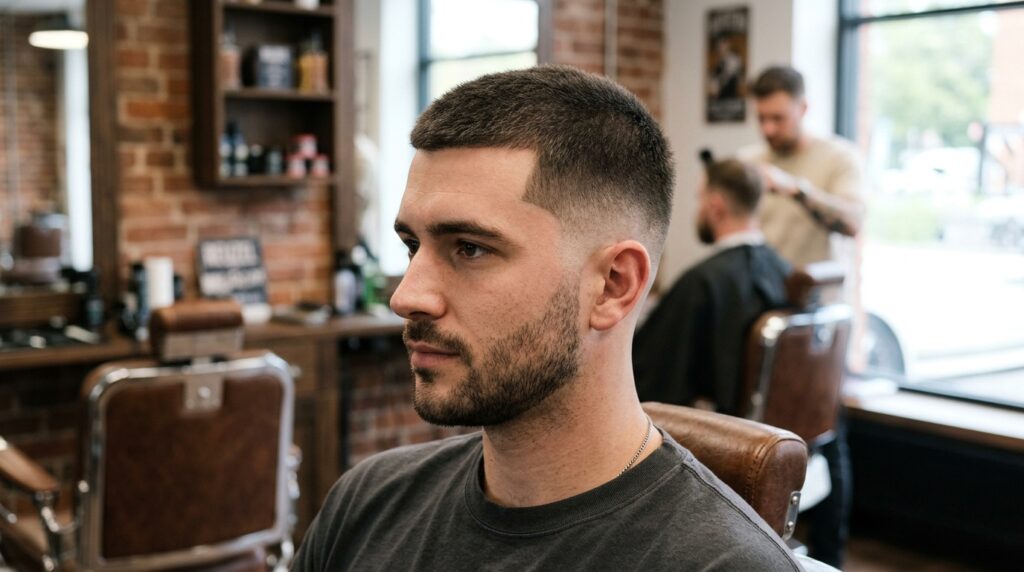
This version leaves a bit more length on top, paired with a subtle taper on the sides. It’s clean but not overly severe.
It suits oval faces particularly well. Add a light styling product for texture, or leave it natural for a more relaxed, low-key finish.
Low Fade Buzz Cut
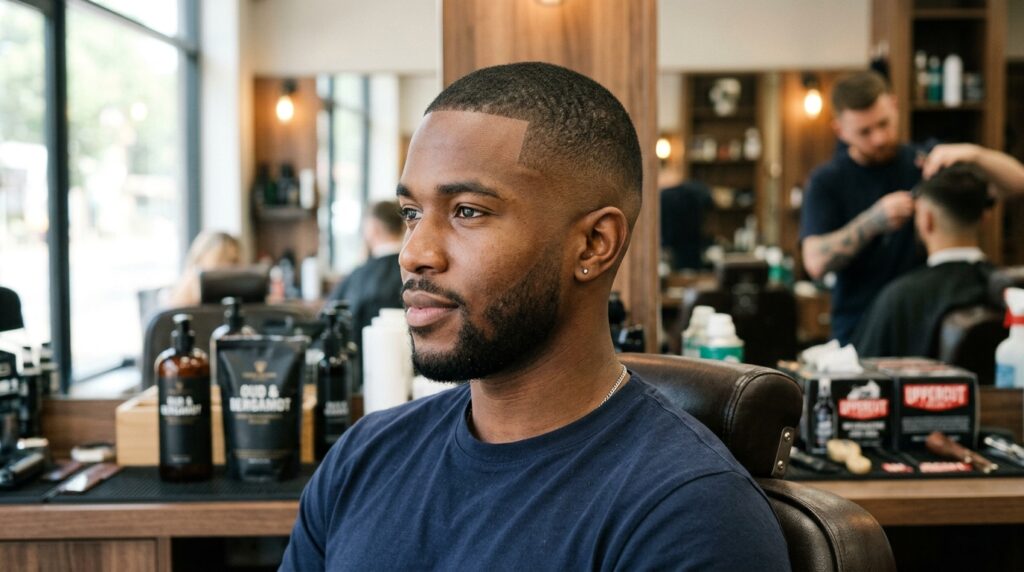
The low fade keeps things subtle. The fade starts near the ears and blends gently toward the neckline, without much drama up top.
It’s a professional-leaning option that works in almost any setting. Occasional trims keep the shape sharp without demanding constant barbershop visits.
Thick Buzz Cut with Beard

This pairing brings rugged, masculine energy. The hair stays a bit longer, usually a #4 or #5, while a full beard balances the whole look.
The extra length softens things slightly. Combined with facial hair, it creates a well-rounded, timeless style that reads as intentional and put-together.
Buzz Cut with Mid Fade

A mid fade sits right between high and low, blending smoothly from the top down to the sides. It’s a balanced, versatile choice.
This fade pulls focus toward the top of your head. The short length up there emphasizes cheekbones and jawlines with real precision.
Blonde Buzz Cut

Going blonde with a buzz cut makes a statement. The bold color pairs surprisingly well with such a minimalist, low-effort style.
Regular touch-ups keep the color looking fresh. Purple shampoo helps maintain vibrancy too, especially if you’ve gone platinum or ashy blonde.
Short Buzz Cut Fade
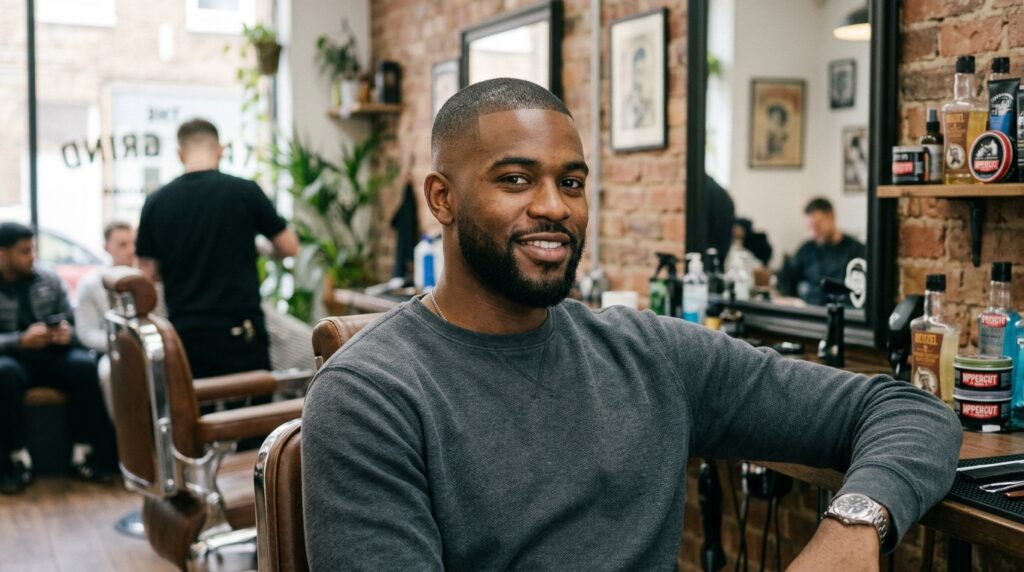
This one keeps the top ultra-short while the fade does most of the visual work. It’s sharp, modern, and needs almost zero daily upkeep.
The fade typically starts high and blends down smoothly. It highlights your jawline and cheekbones while keeping the whole silhouette clean and structured.
Buzz Cut with Low Taper Fade

A low taper fade adds subtle graduation near the ears and neckline. It’s refined without looking flashy or overdone in any way.
This combo enhances your features gently. A touch of hair oil on top adds a little shine without weighing the style down at all.
Buzz Cut with Drop Fade

The drop fade curves naturally around the back of the head instead of running in a straight line. It’s a distinctive, eye-catching detail.
Sharp fade lines matter here, so touch-ups every two to three weeks help. Add matte pomade on top for a bit of texture.
Black Men’s Buzz Cut

This style highlights the natural density of afro-textured hair beautifully. Reducing bulk through buzzing keeps things neat while retaining real fullness.
A high skin fade adds contrast and edge. Light curl cream works well for longer versions, while clarifying shampoo keeps shorter cuts fresh.
Latino Men’s Buzz Cut

This cut manages naturally dense hair with ease. Buzzing removes extra weight while keeping the style structured and easy to maintain daily.
A sharp line-up defines the hairline nicely. Regular washing with a mild shampoo keeps the scalp fresh, especially with shorter guard lengths.
Asian Men’s Buzz Cut

This style suits thick, straight hair particularly well. It creates a sharp, uniform finish that complements strong, angular facial features nicely.
A matte pomade adds subtle texture for longer versions. Regular trims every two to three weeks keep the hairline crisp and well-defined.
What Is A Buzz Cut?
A buzz cut is a short, all-over haircut done entirely with clippers. It’s simple, quick, and doesn’t require much thought once it’s done.
The classic version keeps one uniform length throughout. Modern takes add fades or tapers on the sides for a more current, layered feel.
Key Features of Buzz Cuts:
| Feature | Details |
| Length | Usually under half an inch, though longer versions exist |
| Maintenance | Minimal styling required, easy daily upkeep |
| Types | Induction, burr, butch, and crew cut variations |
| Popularity | Common among athletes, military members, and low-maintenance guys |
| Best For | Sharp jawlines and strong, defined facial features |
These traits explain why the buzz cut has stuck around so long. It’s practical, flattering on many face shapes, and genuinely effortless once you’ve got it.
Should You Get a Buzz Cut?
Not every guy suits every buzz cut variation. The right version depends on your face shape, hair type, and daily lifestyle needs.
Before booking your appointment, think through a few key factors first. The wrong choice can leave you feeling exposed instead of confident and sharp.
Recommendations By Face Shape
Your face shape plays a huge role in which buzz cut works best. Oval faces have the most freedom to experiment with length.
Square faces suit shorter guards for sharper contrast. Round faces benefit from higher fades, while diamond shapes often struggle with this haircut overall.
Learn more:The Mid Fade Haircut: 33 Stylish, Popular Variations with A Barber’s Guide 2026
Run Your Hands Across Your Scalp Before You Commit
Hidden bumps and dips become visible once hair disappears. Run your hands over your whole scalp before committing to anything super short.
If you notice irregularities, start longer instead. A #3 guard or higher preserves some softness while still giving you that buzzed, low-maintenance look.
Recommendations By Hair Type
Hair type changes how a buzz cut behaves once it’s done. Straight, thick hair stands up cleanly and shows off sharp, defined lines.
Fine hair benefits from shorter guards to reduce contrast. Curly or coily hair compresses dramatically, often looking denser and richer than expected.
Lifestyle Fit
Your daily routine should guide your length choice too. Athletes usually do best with a #1 or #2 for quick, sweat-friendly upkeep.
Busy professionals often prefer a #3 or #4 instead. It stays low-maintenance while still looking polished enough for client-facing work environments.
When NOT to Get a Buzz Cut
Active scalp conditions can flare up under frequent close cuts. Psoriasis, eczema, and folliculitis often become more visible without hair coverage too.
Advanced hair loss or irregular head shapes can also work against this style. A fully shaved head sometimes looks more intentional in those cases.
Haircut Numbers and Hair Clipper Sizes
Clipper guards determine exactly how short your buzz cut ends up. Lower numbers mean shorter hair, while higher numbers leave more length behind.
Knowing these numbers helps you communicate clearly with your barber. Here’s exactly how much hair each guard size leaves on your head.
| Guard Number | Length Left |
| Number 0 | 1/16 inch |
| Number 1 | 1/8 inch |
| Number 2 | 1/4 inch |
| Number 3 | 3/8 inch |
| Number 4 | 1/2 inch |
| Number 5 | 5/8 inch |
| Number 6 | 3/4 inch |
| Number 7 | 7/8 inch |
| Number 8 | 1 inch |
How To Ask Your Barber For The Buzz Cut
Clear communication makes all the difference with a buzz cut. Small miscommunications lead to noticeably different results once the clippers start moving.
Knowing exactly what to say saves you from a haircut you didn’t actually want. A few simple details go a long way here.
The Three Specs Every Barber Needs From You
Every buzz cut conversation comes down to three things. Top length, side treatment, and hairline shape cover everything your barber needs to know.
Describe these clearly, using guard numbers if you know them. If not, inches work fine too, just be as specific as possible.
Sample Phrases That Get You What You Want
Using barber-friendly language speeds up the whole conversation. Try phrases like “buzz me to a 2 with a square line-up” for clarity.
Short, specific requests work best every time. If you can describe your cut in ten to fifteen words, your barber already knows what you want.
Bring A Reference Photo
Photos communicate way more than words ever could. Choose two or three images showing a similar face shape and hair texture to yours.
Ask your barber what they’d change to make that look work for you. That single question often makes the biggest difference in your results.
If This Is Your First Buzz Cut, Start Long
You can always go shorter at your next visit. You can’t add length back once it’s already on the floor, so start cautious.
Begin one or two guard sizes longer than your actual goal. This lets you adjust gradually instead of committing to something too extreme immediately.
How To Maintain A Buzz Cut
Buzz cuts look low-maintenance, but they actually need frequent attention. Hair grows fast enough that regrowth shows up quickly on shorter lengths.
Skipping maintenance steps is what makes a buzz cut look unintentional. A simple, consistent routine keeps the whole style looking sharp and fresh.
How Often To Get A Buzz Cut
Cut frequency depends entirely on your starting length. Induction cuts need touch-ups every seven to ten days to stay looking clean.
Longer buzz cuts, like the crew or butch, stretch to three or four weeks between visits. Fades need more frequent attention regardless of top length.
Scalp Care For Men With Buzz Cuts
A buzz cut exposes way more scalp than you’re probably used to. Daily moisturizing helps prevent that dry, flaky look most guys want to avoid.
Weekly exfoliation also matters here. It prevents ingrown hairs and clears away dead skin buildup, especially at very short guard lengths.
Sun Protection Is Not Optional
Freshly buzzed scalp burns within twenty minutes of direct sunlight. That first burn is often the worst one a guy will ever experience.
Apply mineral SPF 30 or higher for the first few weeks after any major cut. A hat works just as well if sunscreen isn’t your thing.
The Best Wash Routine
Less washing actually works better for buzzed hair. Washing two to three times weekly with a dedicated scalp shampoo keeps things balanced and healthy.
Always rinse with lukewarm water instead of hot. Pat dry gently too, since rubbing can irritate scalp skin that’s no longer protected by hair.
How To Grow Out The Buzz Cut
Growing out a buzz cut follows a fairly predictable timeline. Hair grows about half an inch monthly, which shapes every stage of the process.
Most guys quit somewhere in the middle stretch. Knowing what’s coming helps you push through the roughest, most awkward weeks successfully.
The Buzz Cut Grow-Out Timeline
The first month brings minimal change, still buzz-cut territory overall. Weeks four through eight shift into short haircut range, with hair starting to lay flatter.
The real awkward phase hits around weeks six through ten. By week fourteen, you’ll have enough length for genuine styling options again.
How To Manage The Awkward Phase
Keeping the sides shorter than the top adds helpful structure during grow-out. That contrast makes the cut look intentional, even mid-transition.
Regular barber visits matter here too, even though you’re not cutting for length. A skilled barber shapes each stage so it never looks accidental.
Styling Products For The Transition
Around week six or seven, you’ll have enough length for actual product use. Matte clay adds texture without weighing shorter hair down.
Lightweight styling cream helps direct longer sections into shape. Sea salt spray adds useful grit, helping hair stand up instead of lying flat.
Common Target Styles For The Grow-Out Process
Picking a target style early helps guide every cut along the way. A crew cut is the simplest goal, usually achievable within eight to ten weeks.
Textured crops take twelve to sixteen weeks, while pompadours need the most patience. Show your barber the goal at every single visit.
Buzz Cuts For Receding Hairlines and Thinning Hair
The buzz cut flatters thinning hair better than most longer styles do. It compresses contrast between dense and sparse areas into one even surface.
This creates a cleaner, more confident overall look. It signals you’re owning the change rather than trying to hide from it.
Why The Buzz Cut Works For Thinning Hair
Visual contrast is the whole principle behind this effect. Longer hair makes thinning patches stand out against thicker, surrounding sections nearby.
Buzzing removes that contrast almost entirely. It also shifts attention toward stronger features, like your jawline, cheekbones, and eyes instead.
The Fade Is Your Secret Weapon
A low or mid skin fade adds visual movement to the sides. This pulls attention away from a receding hairline quite effectively.
High fades do the opposite, drawing the eye upward instead. Stick with lower fades for the most camouflage around your hairline area.
Pair Your Buzz With A Beard
Facial hair reshapes how your whole face reads visually. It redirects attention from the hairline down toward your jaw and chin area.
Even light stubble at a #2 to #4 setting works well here. It balances proportions and reads as intentional rather than reactive.
When To Consider Shaving Instead
Once hairline recession passes the mid-scalp, buzz cuts start working against you. Sparse patches begin reading as gaps rather than intentional style choices.
A fully shaved head removes that contrast completely at that stage. It looks deliberate from every angle and reads as confident, not reactive.
What About Hair Loss Treatments?
Treatments like finasteride and minoxidil have decades of clinical evidence behind them. Talk to a dermatologist before starting either one, though.
These treatments and a buzz cut aren’t mutually exclusive choices. Plenty of guys combine both approaches while managing hair loss over time.
Buzz Cut vs. Shaved Head: How To Decide
Both options are clean, masculine, and low-fuss overall. The real difference comes down to maintenance rhythm and your current hair loss stage.
Understanding both helps you pick the smarter option. Neither choice is objectively better, it just depends on your personal situation and goals.
The Visual Difference
A buzz cut at #0 still shows visible stubble on the scalp. A shaved head removes hair entirely, leaving a completely smooth finish instead.
The length difference is small, but the visual feel is not. Buzz cuts read rugged, while shaved heads read bold and dramatic.
Maintenance Rhythm Comparison
| Style | Frequency | Time Per Session |
| Buzz Cut | Every 1–3 weeks | About 15 minutes |
| Shaved Head | Every 1–3 days | 5–10 minutes plus aftercare |
Buzz cuts compress maintenance into fewer, longer sessions overall. Shaved heads spread that same effort across quick, frequent daily routines instead.
When A Buzz Cut Is The Better Choice
Early to moderate thinning suits a buzz cut well. It also fits guys who want low daily effort without fully committing to shaving.
If you might grow your hair back eventually, buzzing keeps that door open. Sensitive skin that reacts poorly to razors favors this option too.
When A Shaved Head Is The Better Choice
Advanced hair loss, Norwood 5 or higher, often suits shaving better. Uneven or asymmetric hairlines also read cleaner once fully shaved off.
If you’ve already tried buzzing and want the next step, shaving delivers that. Some guys simply enjoy the daily ritual of shaving too.
The Transition Path From Hair To Shaved Head
Most guys don’t jump straight to a shaved head overnight. The typical progression moves from crew cut to butch, then burr, then induction.
This gradual approach lets you adjust at each shorter stage. Many stop at induction permanently, while others continue on to a fully shaved head.
Common Mistakes Men Make With Buzz Cuts
Buzz cuts look simple, but they’re surprisingly easy to mess up. Most mistakes come from underestimating how unforgiving this particular haircut really is.
Knowing these pitfalls ahead of time saves you from a bad first experience. Here’s exactly what trips guys up most often.
Going Too Short On The First Try
This is the single most common mistake guys make. Once hair’s on the floor, there’s simply no way to undo that decision.
Always start one or two guard sizes longer than your actual target length. You can always go shorter at your very next visit.
Ignoring Your Head Shape Before Committing
Small bumps and asymmetries stay hidden under hair until you buzz it off. Running your hands across your scalp first reveals these issues early.
If you find noticeable irregularities, start longer instead. A #3 guard or higher preserves some visual softness across uneven areas.
Skipping Sun Protection
A freshly buzzed scalp burns within twenty minutes of direct sunlight exposure. That first burn is often the worst one you’ll ever experience.
Wear a hat, or apply mineral SPF 30 or higher, for the first few weeks. This simple step protects your skin and your new haircut both.
Buzzing Dirty Hair
Product buildup and natural oils make clipper guards drag unevenly. This creates patchy, inconsistent sections that ruin an otherwise clean buzz cut.
Always wash and fully dry your hair before buzzing anything. This one simple step prevents most at-home buzz cut disasters entirely.
Cutting With The Grain Instead Of Against It
Clippers should always run against your natural hair growth direction. Cutting with the grain leaves hair longer than the guard length actually suggests.
Pay close attention to growth direction across different head sections. Running clippers the opposite way creates that clean, even finish you’re after.
Not Adjusting For Hair Texture
Curly and coily hair compresses dramatically once it’s buzzed short. A #2 guard on straight hair looks completely different from a #2 on textured hair.
If your hair has real texture, size up one guard length. This compensates for compression and gets you closer to your intended look.
Skipping The Line Up
A buzz cut without a clean line-up looks genuinely unfinished. Those ninety seconds of trimmer work make the whole cut read as intentional.
If your barber doesn’t mention it, just ask directly. At home, never skip this step, it makes a bigger difference than you’d expect.
Using Cheap Clippers At Home
Bargain clippers overheat fast and drag through hair unevenly. They lose their sharp edge within just a few months of regular use.
Spending $100 to $200 on quality clippers pays for itself quickly. You’ll save on barbershop visits while getting a noticeably cleaner cut every time.
Quitting Mid-Grow-Out
The awkward phase hits hard around week seven or eight. Most guys give up right here and re-buzz instead of pushing through it.
If you’re aiming for a different style, stick with regular barber visits during this stretch. A little patience gets you through the roughest weeks.
FAQ’S
What is a buzz cut?
A buzz cut is a short, clippers-only haircut with an even length all over. It’s simple, low-maintenance, and takes just minutes to finish.
How often should you get a buzz cut?
Most guys need a touch-up every one to three weeks. Shorter lengths like the induction grow out faster, so they need more frequent visits.
Does a buzz cut suit every face shape?
Not exactly. Oval faces handle almost any length well. Square and round faces do better with specific guard numbers and fade heights instead.
Can you buzz your own hair at home?
Yes, absolutely. You just need quality clippers, a guard set, and about fifteen minutes. The back of your head takes the most practice though.
Is a buzz cut good for thinning hair?
Definitely. Short, even length reduces contrast between scalp and hair. It draws attention to your face instead of highlighting any thinning areas.
Conclusion
The buzz cut isn’t just a trend. It’s a real solution for guys who want less hassle and more confidence. Whether you pick an induction, a burr, or a classic buzz cut, you’re choosing simplicity that actually looks good.
A buzz cut fits almost any lifestyle. It works for busy professionals, athletes, and anyone tired of daily styling. Talk to your barber, pick your favorite buzz cut style, and commit to the upkeep. Once you try a buzz cut, you’ll wonder why you waited so long to get one.