

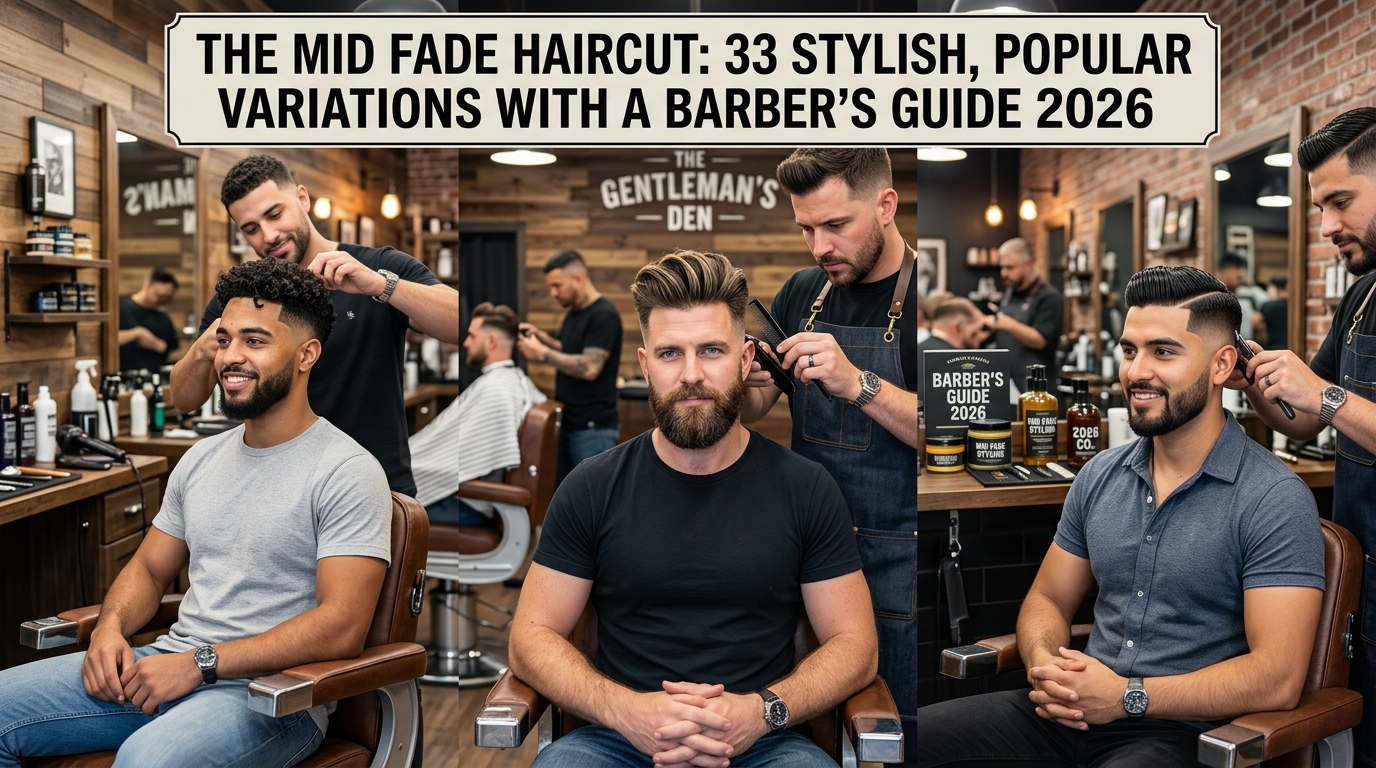
The Mid Fade Haircut: 33 Stylish, Popular Variations with A Barber’s Guide is here to help you find your perfect look. A mid fade sits right between low and high. It’s sharp. It’s clean. It works for almost every guy. That’s why The Mid Fade Haircut: 33 Stylish, Popular Variations with A Barber’s Guide covers so many styles in one place. You get options for curly hair, straight hair, and everything between.
This guide breaks things down in a simple way. The Mid Fade Haircut: 33 Stylish, Popular Variations with A Barber’s Guide walks you through each style step by step. You’ll see skin fades, drop fades, and burst fades. You’ll learn what to ask your barber. No guesswork. No confusion. Just real advice from real barber knowledge. The Mid Fade Haircut: 33 Stylish, Popular Variations with A Barber’s Guide makes picking your next cut easy and fun.
WHAT IS A MID FADE?
A mid fade starts at the temple and blends down into the sides and back. It’s the middle ground between low and high, so you get contrast without going too bold. Barbers reach for this cut more than any other because it flatters almost every face and every hair type.
You can dress it up or keep it casual. Pair it with a slick side part for the office, or leave the top messy for the weekend. Either way, the mid fade adjusts to you, not the other way around.
Why the Starting Position Matters

Where the fade begins changes everything about how the cut looks and feels. Start too low, and the fade barely shows. Start too high, and it demands attention. The mid fade lands right in the sweet spot, giving you a cut that reads clean without screaming for it.
That starting point also decides how much upkeep you’re signing up for. A higher start line grows out faster and needs more trims. The mid fade splits the difference here too, so you’re not stuck at the barbershop every week just to keep it sharp.
The Most Requested Barbershop Cut

Ask any barber which fade they cut the most, and you’ll hear the same answer. The mid fade wins because it works with nearly any face shape, hair texture, or lifestyle. It looks fresh the day you get it and still holds up two weeks later, which is rare for a fade.
That reliability is exactly why it’s become the go-to request. Guys don’t want to gamble on a haircut. The mid fade gives them a safe, sharp choice that pairs with a suit just as easily as it pairs with a hoodie.
Who A Mid Fade Works Best For

Most guys can pull off a mid fade, and that’s the whole point of it. It sits in a forgiving zone on the head, so it won’t drastically reshape your look the way a high fade can. Thick, wavy, or curly hair benefits the most since the fade trims down bulk on the sides.
Straight hair works well too, especially if you want a classic style with a slightly fresher edge. You can go soft and subtle with the blend, or take it down to the skin for something sharper. The choice is yours, and it’s easy to adjust next time around.
Learn more:35 Perfect Low Taper Fade Haircuts For Men: A Barber’s Guide 2026
POPULAR MID FADE HAIRCUTS
Side Part with Mid Fade
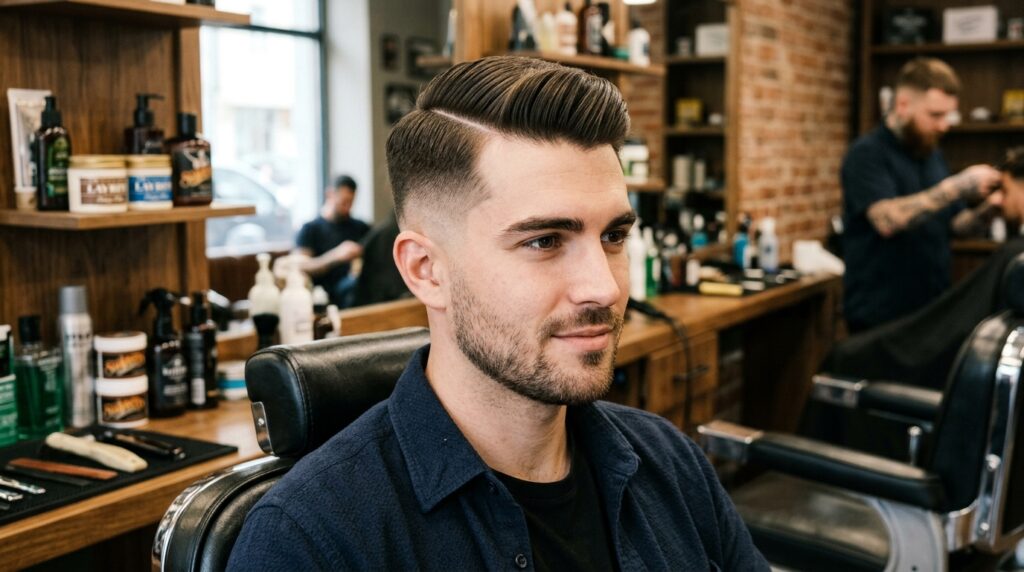
A side part with a mid fade never really goes out of style. The part stays clean, the top stays a little longer, and the sides taper down for contrast. You can keep it natural or ask your barber to shave in a hard line for something sharper.
This combo works especially well on guys with softer jawlines or rounder faces. The fade adds structure where you need it, and the part gives the whole look a bit more polish. It’s a safe pick for work, dates, or just about anywhere.
Long Curly Hair with Mid Skin Fade

Long curls paired with a skin fade create a striking contrast that’s hard to miss. The volume on top stays wild and full, while the sides go clean and tight. That mix gives the cut real personality without looking messy or unplanned.
A diffuser helps keep the curl pattern defined and cuts down on frizz. Since the fade grows out evenly, you won’t need to rush back to the chair. It’s a low-maintenance way to make a big style statement.
Mid Drop Fade

The drop fade curves gently around the back of the head instead of running in a straight line. That subtle drop gives the cut a rounder, softer shape that works with almost any top style, from a pompadour to short spikes.
It reads clean enough for the office but still has a bit of edge to it. Adding texture on top with a matte paste brings out the contrast even more. It’s a small tweak on the classic mid fade that makes a noticeable difference.
Mid Skin Fade
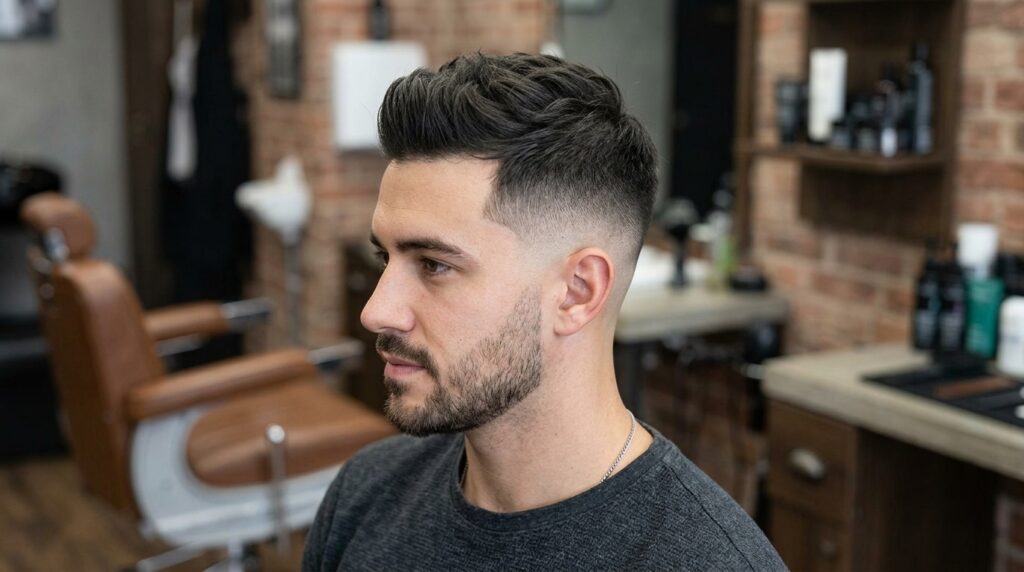
A mid skin fade tapers all the way down to bare skin for the sharpest possible contrast. It’s the boldest version of the cut, and it looks incredible right after a trim. The trade-off is that it needs more frequent visits to stay looking fresh.
Clippers on a zero guard setting keep the blend seamless. A weekly clarifying shampoo helps prevent buildup near the shaved skin. If you’re willing to put in the upkeep, this version delivers the cleanest, most defined look of the bunch.
Short Mohawk with Mid Fade

This version keeps the classic mohawk shape but trims the center strip down shorter and tighter. The faded sides frame the look nicely without pulling focus away from the top. It’s edgy, but not over the top.
A strong-hold matte product gives the center strip definition, or you can finger-style it for something more relaxed. It works on most hair textures, which makes it a solid pick if you want a mohawk without the daily styling commitment.
Textured Crop with Skin Fade

Choppy, short layers on top pair naturally with a smooth skin fade underneath. The texture adds movement, while the fade keeps things sharp and controlled. Together, they create a cut that looks effortless but still intentional.
Matte clay worked into damp hair and finger-styled forward gives it that casual, lived-in feel. Comb it through instead if you want more structure. This one suits nearly every face shape and needs very little daily upkeep.
Modern Side Part with Mid Skin Fade
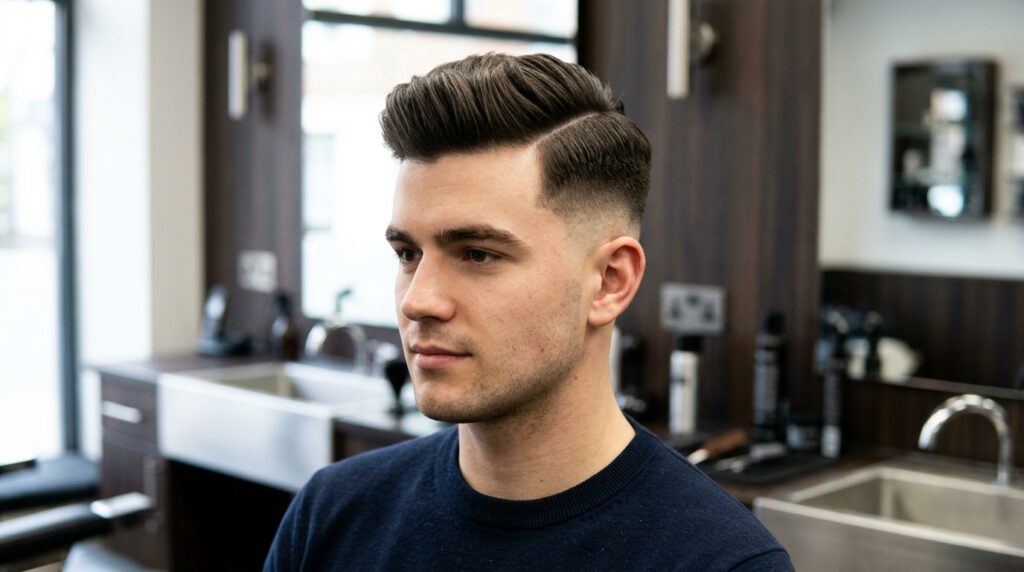
This variation leans hard into precision. A crisp part divides the top, and the sides fade all the way to skin for maximum contrast. It’s a look built for guys who want their cut to read as deliberate from across the room.
Comb the top flat for a polished finish, or lift it slightly with a round brush for more dimension. Pomade or styling cream finishes it off depending on how much shine you’re after. It’s a strong choice for professional settings.
Mid Fade with Design

Adding a shaved design turns a mid fade into something more personal. Lines, curves, and geometric shapes are popular choices that bring instant visual interest to the sides. It’s a small detail that makes the whole cut stand out.
Ask your barber to use a razor for crisp, clean edges around the design. Clippers alone can maintain it between visits. This option works best for guys who want their haircut to feel like a genuine style statement.
Mid Temp Fade

The temp fade follows the natural curve around your ears and temples, creating a smooth, seamless transition. It enhances your facial structure without being overly aggressive. Pair it with a buzz cut, textured top, or natural curls for different levels of contrast.
A full beard rounds out the look nicely, especially with a rugged, masculine finish. Matte clay or a curl enhancer helps lock the top in place. It’s a versatile pick that works across a wide range of styles.
High Volume Brush Back with Mid Skin Fade and Beard

This look takes the top and pushes it up and back for serious height and volume. The skin fade blends in cleanly underneath, giving the whole style a defined, masculine edge. Add a full beard, and the contrast really pops.
You’ll need heat, a round brush, and volumizing mousse to get that lift. A clean shave line between the sides and the beard keeps the disconnection sharp. Heavy stubble finishes the look with a rugged, put-together feel.
Spiky Hair with Mid Taper Fade

Spiky hair paired with a taper fade brings texture and edge without going full skin fade. The taper shortens gradually near the ears and neckline, giving the spikes a clean base to work from. It’s bold but still wearable day to day.
Finger-style the top for a messy, natural spike, or use a strong-hold wax for something more structured. This cut works especially well on shorter to medium lengths. It’s a great pick if you want personality without much daily effort.
Broccoli Cut with Mid Fade

The broccoli cut brings vertical curly volume on top, balanced by tightly faded sides. It’s become a signature look in modern barbershops, and the fade keeps the whole style from feeling too heavy or overwhelming.
Curl cream applied to soaking-wet hair helps create the upward lift that defines the shape. Scrunch it in rather than combing it through. The result is a fun, textured cut with a distinctly modern edge.
Mohawk with Burst Mid Fade

This variation leaves the top long while curving the sides into a semi-circular burst around the ear. The mohawk brings a rebellious, retro energy, while the burst fade keeps the overall look feeling current.
Gel gives you traditional spikes up top, or a fiber cream creates a softer, tousled hawk instead. A blow dryer adds extra height at the crown, which really emphasizes the contrast between the long top and the faded sides.
Mid Burst Fade

A mid burst fade keeps extra length at the back while tapering smoothly around the temples and ears. It’s a chic, versatile option that looks polished with short hair or a slick back, and bold with curls or a mohawk.
Trims every two to three weeks keep the burst looking sharp against the longer top. It’s an easy cut to dress up for work or dress down for a night out, depending on how you style what’s on top.
Short Hair with Mid Fade

This is about as low-maintenance as a mid fade gets. Short hair on top pairs with sharp, blended sides for a clean, everyday look that still feels modern. It works with crew cuts, comb overs, and simple brush-forward styles.
A small amount of matte clay adds texture, or you can skip product entirely for a natural finish. Pair it with a well-groomed beard and a line up for extra sharpness around the face. It’s practical without sacrificing style.
Buzz Cut with Mid Fade and Beard

A buzzed top combined with a mid fade gives you a clean, structured look with almost zero daily styling. The military-inspired top brings a timeless kind of masculinity, while the fade adds just enough contrast to keep it modern.
Trim the buzz every one to two weeks to keep it sharp, and line up the beard at the same time. A touch of beard balm finishes the whole look with texture and a light sheen.
Modern Mullet with Mid Fade

This version takes the traditional mullet and gives it more volume and a slightly rebellious edge. The mid fade sharpens up the sides, adding contrast to what would otherwise be a shaggier, more relaxed style on top.
You can wear it messy, slicked back, or completely natural depending on the day. Blow-drying the top with a light mousse, paired with a subtle beard, helps elongate rounder face shapes and adds a nice boost of confidence.
Trendy Parted Style with Mid Fade

A well-defined part paired with a mid fade gives you an effortless, blended look on the sides and back. You can go with a shaved hard part for something edgier, or keep it natural with just a comb for a softer finish.
Hard gel locks in a sleek, formal style, while matte clay or sea salt spray creates something more undone. The fade grows out cleanly either way, which means you can stretch the time between trims a little longer.
Mid Fade with Brushed Forward Waves
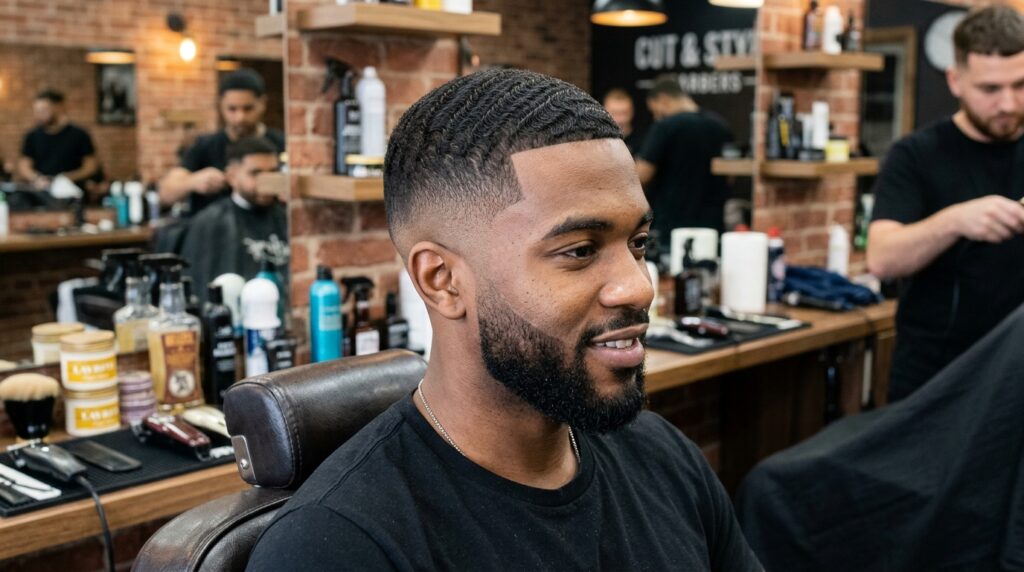
This cut highlights natural wave texture by brushing the top forward instead of back. The structured fade underneath keeps things looking clean while the waves add a youthful, relaxed vibe up top. It’s a great option for guys with thinner or flatter hair.
Brushing forward adds visible volume where it’s needed most. A light mousse or styling cream holds the waves in place without weighing them down. The contrast between the structure and the texture is what makes this one work.
Long Textured Fringe with Mid Fade

A long, textured fringe paired with a mid fade creates a soft but still edgy look. The fringe sweeps casually across the forehead and can be pushed to one side to show off its layered texture. It frames the face nicely, especially on more angular features.
Texturizing cream or hair powder gives the fringe a messy, structured finish. Heat and a round brush add movement and volume. It’s a great pick if you want something a little softer without losing the sharpness of the fade.
Short Slick Back with Mid Fade and Beard
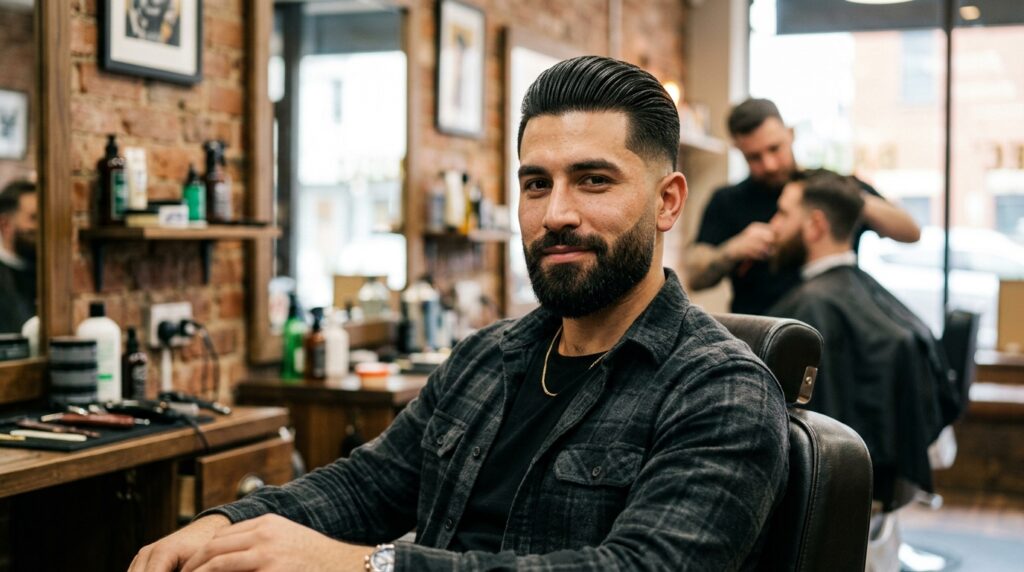
This look brings a neat, controlled finish that pairs beautifully with a well-groomed beard. The beard adds structure around the jaw and cheekbones, while the slicked-back top brings a level of polish that reads sharp in any setting.
Pomade and a comb give you hold with a light gloss, perfect for everyday wear. Swap in gel if you want a higher-shine, wet look for something more dressed up. Either way, this combo looks intentional from every angle.
Textured French Crop with Mid Fade

The French crop brings a forward-falling, choppy fringe that sits right above the fade’s gradual transition. It’s one of the most requested combinations in modern barbering, and for good reason. The look feels sharp without trying too hard.
That forward fringe also does double duty by masking an uneven hairline or early temple recession. Matte clay worked into damp hair and finger-styled forward keeps the texture visible. It works best on straight or slightly wavy hair.
Mid Fade Quiff

The quiff strikes a rare balance between bold and professional. Length concentrates at the front and lifts up into a contained wave, while the fade keeps the sides proportional and clean. It reads as confident without going overboard.
Volumizing mousse on damp hair, followed by a blow dry pushing the front up and back, builds the shape. Matte paste locks it in place. It’s a cut that does a lot of the visual work for you.
Edgar Cut with Mid Fade (Takuache)

The Edgar cut pairs a blunt, squared forehead line with clean, sleek sides. It has deep roots in Mexican-American youth culture and is instantly recognizable thanks to that sharp horizontal line across the front.
A straight scissor cut at the forehead, paired with a fresh mid skin fade, is the standard request. The style holds its shape well without needing much product, which makes it a fairly low-effort cut once you’re out the door.
Mid Fade Comb Over
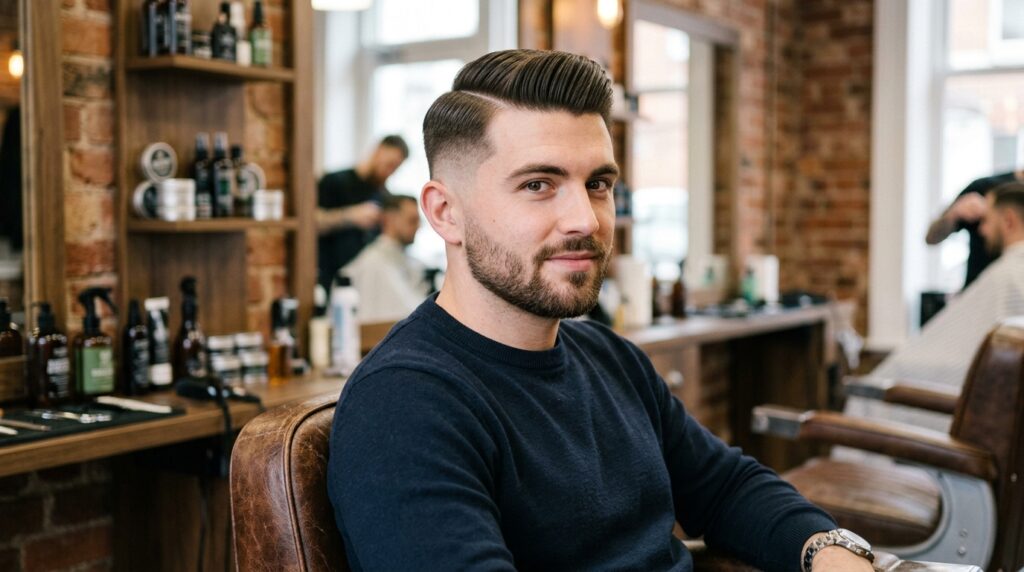
The comb over mid fade is a classic, distinguished look that never really feels dated. Length on top combs across from a defined side part, creating that clean, precise contrast the style is known for.
Pomade or styling cream, along with a fine-toothed comb, is really all you need to recreate it each morning. It’s an easy routine that still looks sharp, which is probably why it’s outlasted just about every haircut trend.
Mid Fade with Afro Top

Pairing a full afro with a mid fade creates a bold, expressive contrast between volume and structure. The natural texture on top stays full and eye-catching, while the fade brings a clean, intentional finish to the sides.
Regular picking and a solid moisturizing routine help maintain the shape. Ask your barber for a smooth blend between the afro and the fade so the transition feels seamless instead of abrupt. It’s a striking, confident look.
Two Block with Mid Fade

The two block is a Korean-inspired style with longer, textured length on top and sharply clipped sides underneath. A mid fade softens that sharp line just slightly, blending the lengths while keeping the graphic structure intact.
Influenced heavily by K-pop culture, this cut has picked up steam over the past few years. A lightweight cream, finger-styled through the top, adds movement without flattening the texture. It’s a fresh, modern take on the classic fade.
Mid Fade with Middle Part Curtains

Curtains fall evenly on either side of a soft center part, with feathered ends grazing the cheekbones. Paired with a mid fade, the sides stay clean while the top keeps that relaxed, effortless movement curtains are known for.
Sea salt spray on damp hair, air dried naturally, gives it texture without much effort. A diffuser on low heat works too if you want a little more control. It’s a simple, laid-back style with real personality.
Mid Fade with Hard Part

A hard part is a sharp, shaved line running along your natural part. Paired with a mid fade, it adds one small but deliberate detail that makes the whole cut look extra intentional and well thought out.
Style the longer top to either side of the part using pomade or matte clay. It’s a solid choice if you want a fairly conservative cut with just a touch of flourish added in for personality.
Mid Fade Faux Hawk
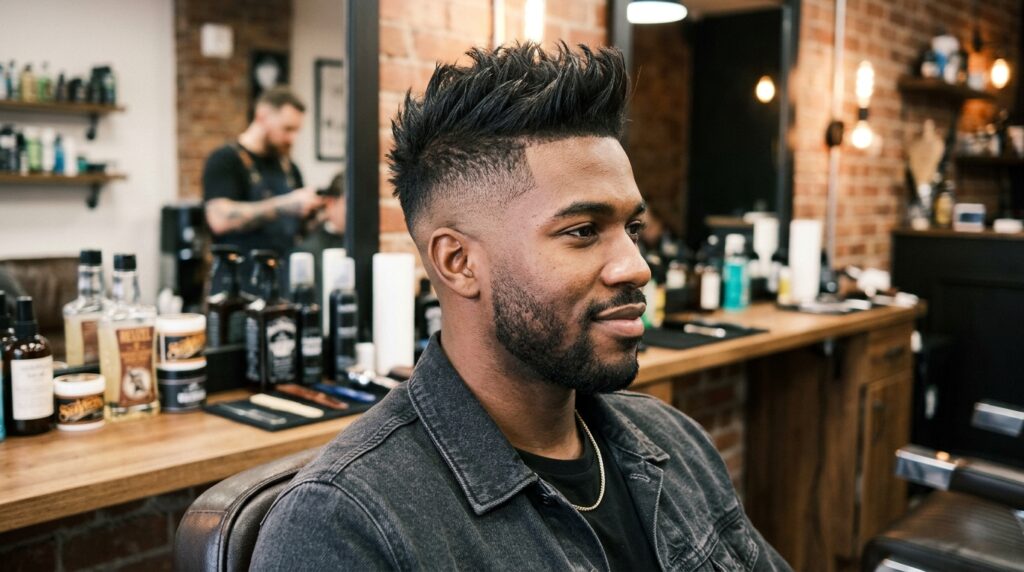
The faux hawk takes the lifted center volume of a mohawk and softens the sides for something more wearable day to day. Length concentrates down the middle and styles upward into a contained peak instead of a dramatic strip.
A strong-hold matte product, along with some lift from your fingers or a blow dryer, builds the shape. It works best on thicker hair that can hold height throughout the day without falling flat by the afternoon.
Mid Fade Caesar Cut

The Caesar cut keeps its signature blunt fringe across the forehead while the sides sharpen up with a mid fade. It’s a short, low-effort style that looks polished the moment you step out of the barber’s chair.
That forward fringe also discreetly covers early temple recession, which is part of why it stays popular with guys in their thirties and forties. A small amount of matte clay, finger-styled forward, is all it needs.
Mid Fade with Short Twists

Short two-strand twists paired with a mid fade combine textured volume on top with clean, faded sides. The contrast between the dense twist pattern and the smooth blend is what gives this cut its sharp, distinctive look.
Retwisting the roots every three to four weeks keeps the pattern looking defined and prevents buildup. It’s a protective style that still reads polished enough for the office, all while keeping daily styling to a minimum.
The Curly Hair Fade

This style keeps curls full and defined on top while tapering the sides down for balance. The contrast between the textured top and the clean fade gives the whole look a fresh, put-together feel without going overboard.
It suits guys with naturally curly or wavy hair who want volume and movement without letting the sides get bulky. A mid fade blended into longer curls, finished with a curl cream, keeps the texture defined and frizz under control.
MID VS LOW VS HIGH FADE
All three fades use the same clipper technique, but where the fade starts changes everything about how the finished cut looks and behaves. That single decision affects contrast level, how often you need trims, and how forgiving the style is as it grows.
Low fades stay subtle and grow out gracefully. High fades demand attention and regular upkeep. The mid fade sits right in between, giving you balanced contrast that can lean casual or formal depending on what you pair it with up top.
Where Each Fade Starts
A low fade begins just above the ears, keeping things subtle and forgiving as it grows out. A mid fade starts at the temple line, striking a balance between contrast and versatility. A high fade begins above the temples, delivering dramatic contrast that needs committed upkeep.
| Fade Type | Starting Point | Contrast Level | Maintenance |
| Low Fade | Just above the ears | Subtle | Low |
| Mid Fade | At the temple line | Balanced | Moderate |
| High Fade | Above the temples | Bold | High |
TYPES OF MID FADE HAIRCUTS
Once you’ve settled on a mid fade, you still get to pick the variation that fits your style. Each type changes the shape and character of the cut, so it’s worth understanding what sets them apart before your next barbershop visit.
- Skin Fade – Blends the sides and back down to bare skin for the sharpest contrast.
- Drop Fade – Curves around the head with a dropping taper line for a rounder shape.
- Burst Fade – Creates a semi-circle blend around the ear for a striking effect.
- Temp Fade – Focuses only on the temple area, leaving the back untouched.
- Mid Taper – Tapers shorter without reaching skin, for a softer, more forgiving finish.
MID TAPER VS MID SKIN FADE
The taper and the skin fade both blend the sides shorter, but they land in very different places. A taper stops before it ever reaches bare skin, leaving a softer, more natural transition. A skin fade keeps going until the sides disappear entirely into the scalp.
Tapers suit guys who want a more conservative, business-friendly look that grows out gently. Skin fades bring stark, bold contrast that’s better suited to younger guys chasing a statement cut. Both are great; it just depends on the vibe you’re after.
THE BEST MID FADES BY HAIR TEXTURE
Straight Hair
Straight hair shows off the precision of a mid fade better than almost any other texture. The clean lines really stand out here. Pair it with structured styles like a side part, comb over, pompadour, or short slick back for the best results.
Matte clay or paste gives the top grip and prevents it from falling flat throughout the day. Since straight hair doesn’t hold volume naturally, a little product goes a long way toward keeping the style looking intentional.
Curly Hair
Curly hair benefits from the contrast a mid fade naturally creates. The volume and movement on top look even better against clean, faded sides. Longer curls and tighter broccoli-style cuts both showcase this texture beautifully.
Apply curl cream or a curl-defining gel to soaking wet hair, then let it air dry or use a diffuser. This keeps the curl pattern defined and helps control frizz throughout the day without weighing the hair down.
Wavy Hair
Wavy hair looks effortlessly good with a mid fade because the natural movement on top pairs so well with the clean sides. Styles like brushed forward waves, textured fringes, and middle part curtains let that wave pattern take the lead.
A light sea salt spray on damp hair, followed by air drying, brings out the texture naturally. It’s a low-effort routine that still looks polished, which is part of why this pairing works so well day to day.
Coily Hair
Coily textures take on a bold, architectural quality when paired with a mid fade. The dense, sculptural shape on top contrasts sharply against the gradual blend on the sides, creating a look that’s both striking and expressive.
Full afros and short twist styles both work well with this texture. Hydration matters more here than any styling product, so a daily leave-in conditioner should be part of the routine to keep the hair healthy and defined.
Thick Hair
Thick hair can support nearly any mid fade variation, but managing the bulk on top is the real challenge. Point-cutting or thinning shears help remove excess weight so the style doesn’t feel heavy or hard to control.
Pompadours, modern mullets, and textured quiffs all work especially well with thick hair. Once the bulk is managed properly, thick hair actually holds shape and volume better than most other textures throughout the day.
Fine or Thin Hair
A mid fade adds proportion and helps create the appearance of more fullness on top, which is a big win for fine or thin hair. Shorter styles that don’t expose thinning areas tend to work best here.
The Caesar cut and textured French crop are both strong choices. A texturizing powder on slightly damp hair builds lift at the roots, and a light hair clay finishes the look with hold and added structure.
HOW TO ASK YOUR BARBER FOR A MID FADE
Decide Skin or Taper First
This is the biggest decision in the whole conversation with your barber. A mid skin fade goes all the way down to bare skin, producing the sharpest contrast possible. A mid taper stops short of skin and reads softer and more conservative.
Whichever one you pick, decide on it before anything else gets discussed. It shapes every other choice that follows, from maintenance schedule to overall vibe, so getting this part right saves you from disappointment in the chair.
Pick Your Variation
Straight mid fade, drop, burst, or temp. Each one changes the character of the cut more than the height ever does. If you’re not sure which fits, describe the vibe you want instead, whether that’s conservative, modern, or bold.
A good barber can translate that vibe into the right technique for your hair. You don’t need to know the exact terminology. Just be clear about the feeling you’re going for, and let them handle the rest.
Talk About What’s Happening on Top
A mid fade with a textured crop is a completely different cut than one paired with a slick back. Your barber needs to know what’s planned for the top before they even start on the sides, since the two decisions affect each other.
Bring a reference photo if you can, ideally of someone with hair texture close to yours. This helps avoid miscommunication and gives your barber a clear, visual starting point instead of guessing at what you have in mind.
Be Honest About Your Maintenance Reality
A mid skin fade looks incredible, but it needs a touch-up every ten to fourteen days to stay sharp. A mid taper can stretch out to four or five weeks without much trouble. Be upfront about which schedule actually fits your life.
If you can only make it in every six weeks, a skin fade probably isn’t the right call. A good barber would rather steer you toward something that holds up than sell you a cut that falls apart in two weeks.
Stop Trying to Sound Like a Barber
The clients who walk out happiest are usually the ones who don’t try to use technical terms they don’t fully understand. Describe what you want the end result to look like, not the specific cut you think will get you there.
Bring a photo if you have one, describe the vibe you’re going for, and mention your styling routine. Let your barber figure out the technique. That’s their job, and they’re far better equipped to make the right call than you guessing at jargon.
HOW OFTEN TO GET A MID FADE
Cut Cadence by Variation
Different versions of the mid fade need different visit schedules to stay looking sharp. A mid skin fade needs the most frequent attention, while a taper can stretch out much longer between trims.
- Mid skin fade – Every 10 to 14 days
- Mid drop or burst fade – Every 2 to 3 weeks
- Mid taper (not skin) – Every 4 to 5 weeks
- Mid fade with a buzzed top – Every 2 to 3 weeks for the whole cut
- Mid fade with longer top – The fade itself is the limiting factor, not the top
The Math Most Guys Get Wrong
A mid skin fade looks sharp for about ten days, still fine around day fourteen, and rough after that. If you’re only planning to visit the barbershop every six weeks, this probably isn’t the right cut for your routine.
The whole point of a fade is the contrast, and that contrast fades fast. Either plan your visits around the cut you want, or pick a cut that matches the schedule you’re actually willing to keep. Mixing the two rarely works out.
Touch-Up Visits
Plenty of barbershops offer cheaper touch-up appointments built specifically for fades and necklines. These usually run about fifteen minutes and cost somewhere between ten and twenty dollars in most cities, depending on where you live.
It’s worth asking your barbershop about this option, especially if you’re committed to a mid skin fade but don’t want to pay full price every couple of weeks. Small touch-ups keep the blend looking fresh between full cuts.
Schedule Around Events
If you’ve got a big event coming up, like a wedding, job interview, or photoshoot, book your cut five to seven days ahead of time instead of the day before. Fresh fades can sometimes look a little too crisp right out of the chair.
Fades actually tend to look their best a few days after the initial cut, once everything settles in naturally. Planning ahead gives the style time to soften just slightly, which usually photographs and reads better in person too.
HOW TO STYLE A MID FADE
The Everyday Routine
Styling a mid fade doesn’t have to eat up your morning. Rinse or wash your hair, then towel dry until it’s just damp rather than soaking wet. From there, work your chosen product through your palms and into the top section only.
Style with your fingers, a comb, or a brush depending on the look you’re going for. For most short or medium mid fade styles, the whole process takes under three minutes, start to finish, before you’re out the door.
Product by Top Style
Different top styles call for different products to get the right finish. Matching the product to the style makes a noticeable difference in how the cut holds up throughout the day.
- Short tops (buzz, crew cut, Caesar) – A pea-sized amount of matte clay, or nothing at all
- Medium tops (textured crop, brushed back, comb over) – Matte clay or paste, blow-dried first for lift
- Curly tops (broccoli cut, curly fringe) – Curl cream on damp hair, diffused or air dried
- Slicked tops (slick back, side part) – Pomade with a fine-toothed comb
Keep the Faded Skin Clean
If you’re rocking a mid skin fade, a quick daily rinse goes a long way toward keeping things looking sharp between visits. It helps prevent ingrown hairs along the hairline and keeps the shaved skin looking smooth rather than irritated.
This step only takes about thirty seconds, but it makes a real difference in how clean the cut looks day to day. It’s a small habit that pays off, especially in the stretch between barbershop appointments.
Match the Beard
If you’re growing a beard, keep its length and shape proportional to your haircut. A sharp mid fade paired with an overgrown, unshaped beard tends to look unbalanced no matter how good the haircut itself is.
Have your barber trim both the hair and the beard during the same visit for consistency. This keeps the whole look feeling intentional rather than like two separate styles that happen to share the same head.
COMMON MID FADE MISTAKES TO AVOID
Getting a Mid Skin Fade and Disappearing for Six Weeks
A mid skin fade is a real commitment, not a one-and-done haircut. By week three, it stops looking like a fade entirely. By week six, it barely reads as a haircut at all. That gap between visits matters more with this style than most.
Match the cut to your actual visit schedule, or adjust your schedule to fit the cut you want. Trying to stretch a skin fade out too long just leads to disappointment and an awkward grow-out phase.
Skipping the Line Up at the Front
The edge along your forehead and temples is what makes a fade look finished and intentional. Skipping it might save ninety seconds in the chair, but it costs a noticeable amount of polish once you’re looking in the mirror later.
Always ask for the line up if your barber doesn’t already include it as part of the standard cut. It’s a small step that makes a big difference in how sharp and put-together the whole style reads.
Pairing the Wrong Top with the Fade
A mid skin fade paired with shaggy, neglected length on top just doesn’t work visually. The fade looks fresh and crisp, but the top ends up looking mismatched, almost like wearing a tuxedo jacket with cargo shorts.
If you’re after a shaggier, more relaxed look on top, a mid taper is usually the better foundation to build from. Matching the formality of the top to the sides keeps the entire cut looking cohesive.
Trying to Do Touch-Ups at Home
The blend on a fade is genuinely one of the hardest techniques in all of barbering. Home attempts almost always leave a visible step in the gradient, and that line can take weeks to fully grow out and disappear.
It’s better to wait for your barber, or stick to cleaning up just the neckline at home and leave the fade itself alone entirely. A small at-home fix can easily turn into a much bigger problem.
Bringing a Reference Photo of Someone with Completely Different Hair
A mid fade that looks amazing on coily hair won’t produce the same result on fine, straight hair, even with the exact same technique. Hair texture changes how a style falls, moves, and holds shape throughout the day.
Match your reference photos to your own hair type, not to some idealized version of the cut you saw online. The goal is a style that actually suits you, not one that only works on someone else’s head.
Asking for It Shorter Than You Actually Want
Your hair grows into the length you actually wanted within about a week anyway, so there’s rarely a good reason to ask for shorter than your real target. Going too short almost always backfires in the end.
If you cut it shorter than intended, you’re stuck waiting around three weeks just to get back to where you wanted to be on day one. It’s better to be precise about your target length from the start.
Forgetting About the Beard
A fresh mid fade paired with an unkempt, neglected beard tends to look disjointed, even when the haircut itself is done well. The two need to feel like they belong on the same head, not like separate decisions made months apart.
Get both the haircut and the beard trim done during the same visit, and keep them in a similar, proportional style. This small bit of coordination makes the entire look feel finished and intentional.
FAQ’S
What is a mid fade?
A mid fade starts at the temple and blends down the sides and back. It sits right between low and high fades.
How often do I need a mid fade trim?
Skin fades need touch-ups every ten to fourteen days. Tapers stretch longer, lasting four to five weeks between visits comfortably.
Is a mid fade good for curly hair?
Yes, curly hair looks fantastic with a mid fade. The clean sides create sharp contrast against your natural curl volume.
Can I get a mid fade for work?
Absolutely. Pair it with a side part or comb over for a polished, professional look that suits almost any office.
What’s the difference between a mid fade and mid taper?
A skin fade blends down to bare skin. A taper stops short, leaving softer, more natural-looking sides.
Conclusion
The mid fade truly is one of the best haircuts you can get right now. It works for almost every guy, no matter your hair type. This guide on the mid fade gave you real options to choose from. You saw drop fades, skin fades, and burst fades. Each mid fade style brings its own personality to the table.
Pick the mid fade that fits your life and your hair. Talk to your barber about what you want. Be honest about your maintenance schedule too. A mid fade only looks great if you keep up with it. Book your next mid fade appointment today. You’ll walk out looking sharp and feeling confident.