
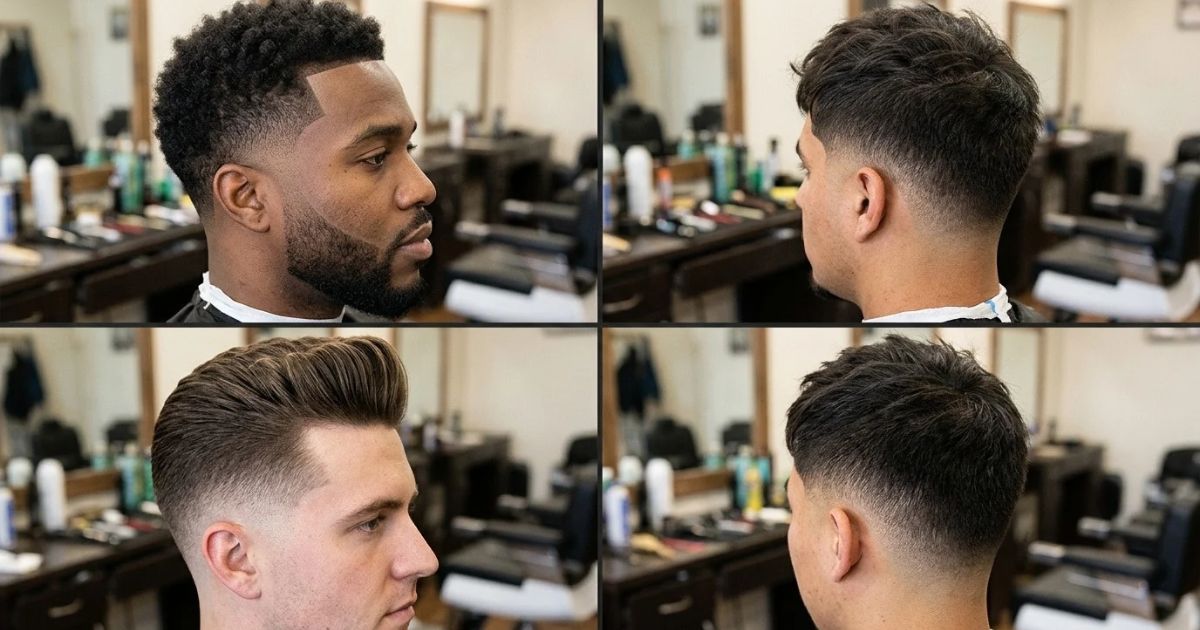
The taper fade haircut is one of the most versatile and stylish haircuts for men. It combines a clean, gradually faded finish around the temples, sideburns, and neckline with a variety of hairstyles on top. Whether you prefer short hair, textured curls, a classic side part, or a modern messy look, a taper fade can complement many different styles.
One reason the taper fade remains popular is its flexibility. You can choose a subtle, low taper for a professional appearance or a sharper, more noticeable fade for a modern look. It works with straight, wavy, curly, and coily hair, making it a suitable option for men with different hair textures and personal preferences.
In this guide, you will discover 15 stylish taper fade haircuts for men in 2026, learn how they differ, and find helpful tips for choosing and maintaining the right style.
What Is a Taper Fade Haircut?
A taper fade haircut gradually shortens the hair around the temples, sideburns, and neckline. The hair blends smoothly from longer lengths into shorter lengths, creating a clean and polished finish. Unlike a traditional haircut with evenly trimmed sides, a taper fade focuses on the edges while allowing you to keep more length elsewhere.
The main advantage of this haircut is its versatility. You can combine a taper fade with a textured crop, curls, waves, a pompadour, or longer hair. Your barber can adjust the height and sharpness of the fade according to your preferred appearance, hair texture, and lifestyle.
Learn more:Flat Top Haircut: 15 Stylish Flat Top Hairstyles for Men in 2026
15 Best Taper Fade Haircuts for Men in 2026
1. Low Taper Fade
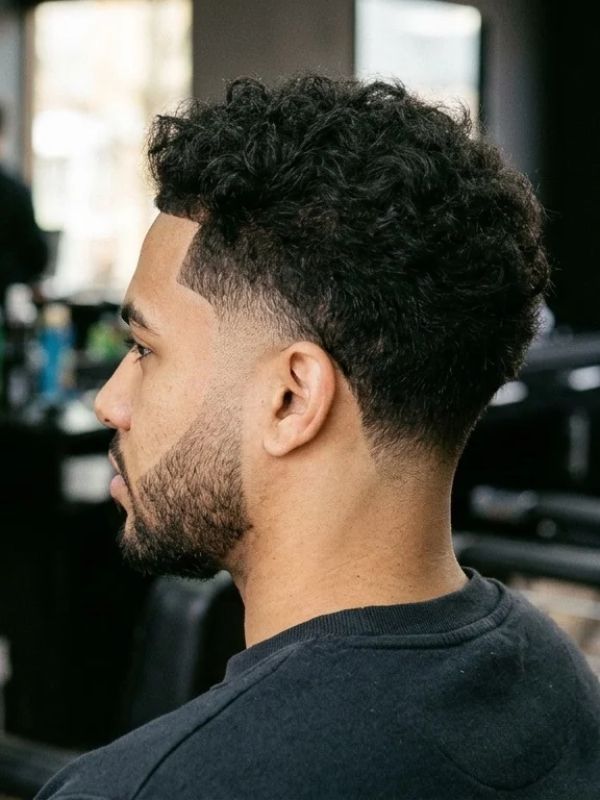
A low taper fade is a subtle and classic option for men who want a neat haircut without removing too much hair from the sides. The fade begins close to the ears and neckline, creating a natural transition that works well with short and medium-length hairstyles.
This style is especially suitable for professional settings, school, and everyday wear. You can pair it with a textured top, short curls, or a side part for a clean appearance. Ask your barber to keep the transition soft if you prefer a natural finish.
2. Mid Taper Fade
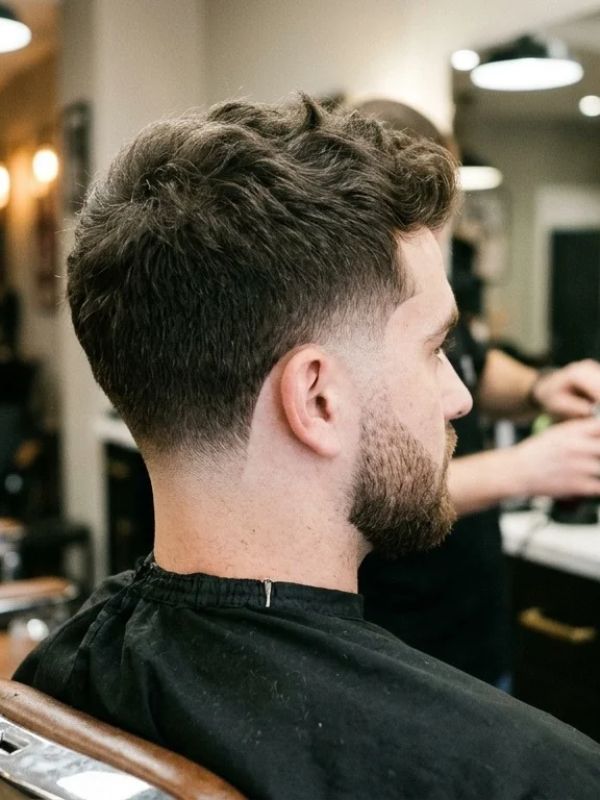
The mid taper fade offers a balance between a subtle low taper and a more noticeable high taper. The gradual shortening around the temples and sideburns creates a defined finish while keeping the overall haircut versatile.
This style works well with straight, wavy, and curly hair. Pair it with a textured top or a short, brushed-up hairstyle for a modern appearance. It is a good option if you want a haircut that looks stylish without being too dramatic.
3. High Taper Fade
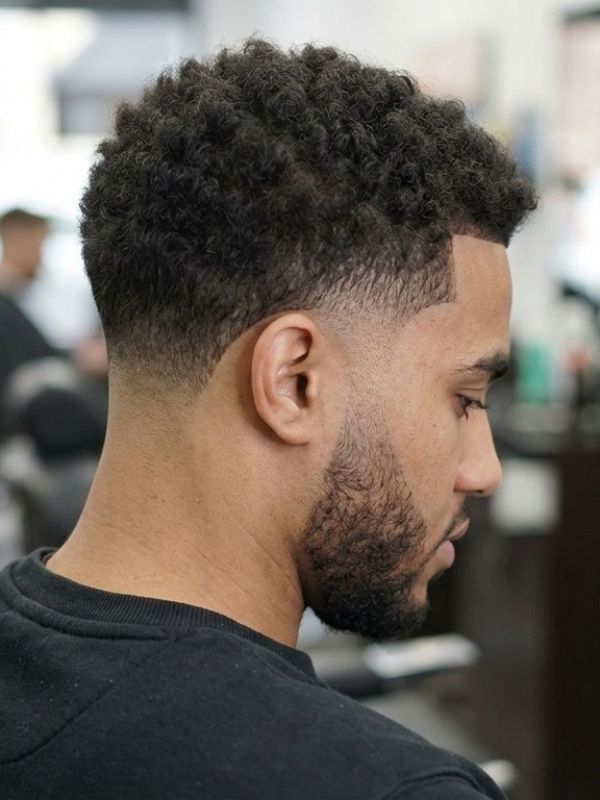
A high taper fade creates a sharper, more noticeable transition around the upper temples while keeping the neckline clean. It gives the haircut a more defined appearance and can make the top of the hair stand out.
You can combine this style with short textured hair, curls, or a brushed-up top. Ask your barber how high you want the taper to begin, because a higher transition can create a more striking result than a subtle taper.
4. Taper Fade with Curly Hair
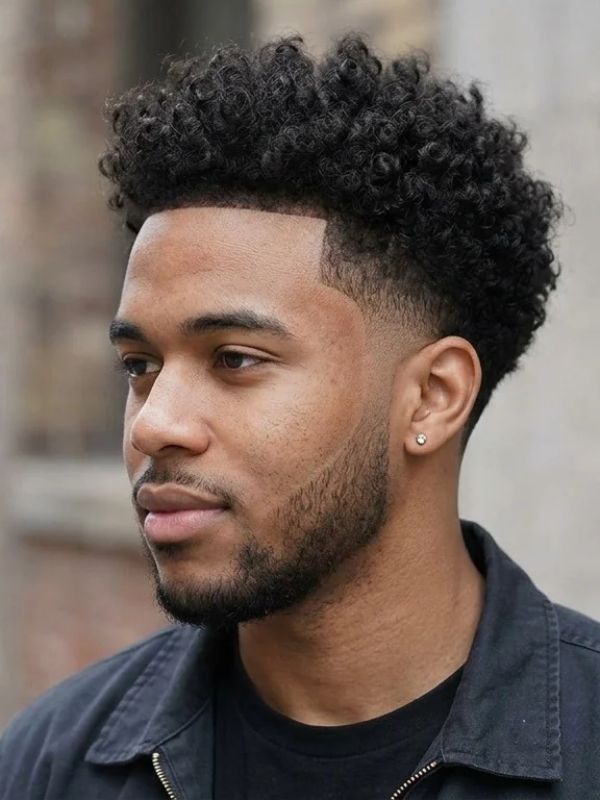
A taper fade with curly hair combines neatly trimmed sides with natural curls on top. The contrast helps highlight your curls while keeping the edges clean and manageable.
This haircut works with loose curls and tighter curl patterns. Use a lightweight curl cream or leave-in conditioner suited to your hair to help maintain definition. Tell your barber how much length you want to keep so your natural curl pattern remains visible.
5. Taper Fade with Textured Hair
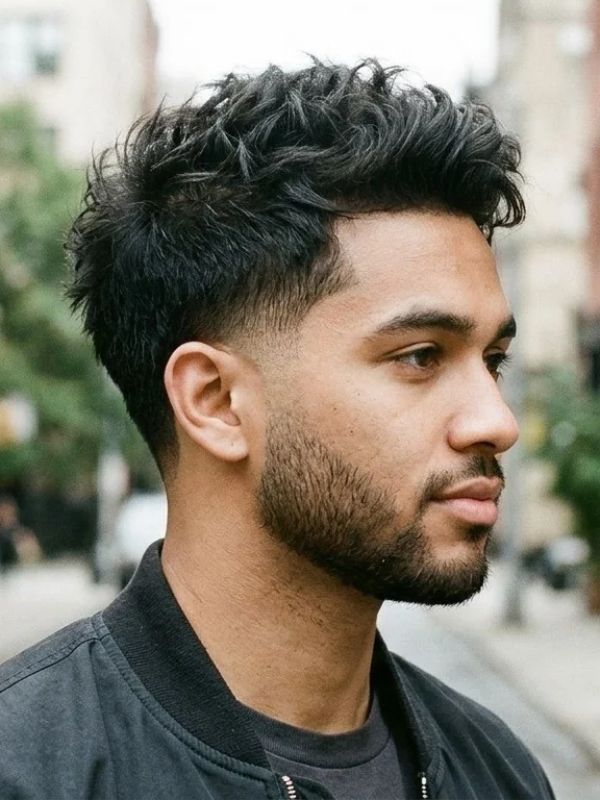
A textured taper fade combines faded edges with a top that has movement and separation. Instead of keeping every strand perfectly flat, the haircut emphasizes natural texture for a relaxed, contemporary finish.
This style is a practical choice for men who prefer a modern haircut that does not look overly formal. A small amount of matte styling product can help define the texture without making the hair appear too shiny or stiff.
6. Taper Fade with Waves
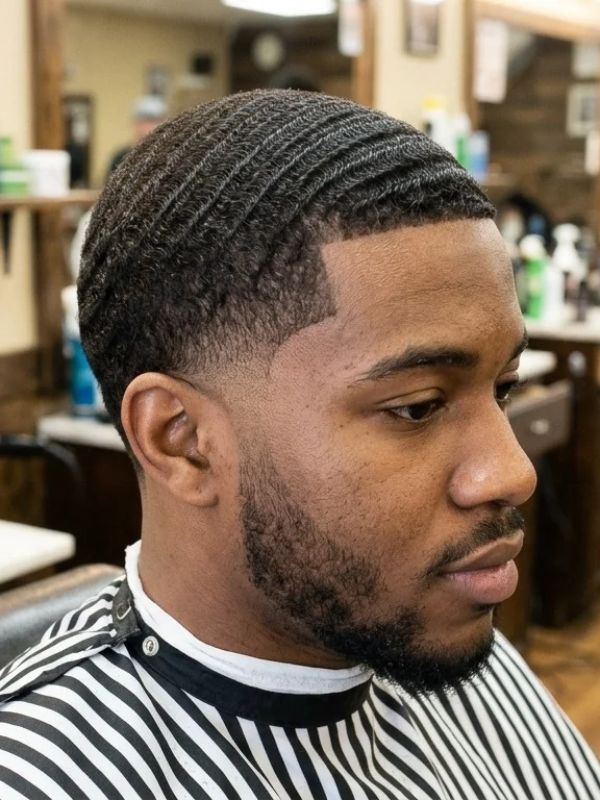
A taper fade with waves keeps the sides and neckline tidy while allowing the wave pattern on top to remain the main feature. The clean edges provide contrast without taking attention away from the natural movement of the hair.
This look is particularly popular with men who have naturally wavy hair. A suitable conditioner and lightweight styling product can help keep the waves looking defined. Your barber can adjust the taper to suit your preferred length and wave pattern.
7. Taper Fade with a Side Part
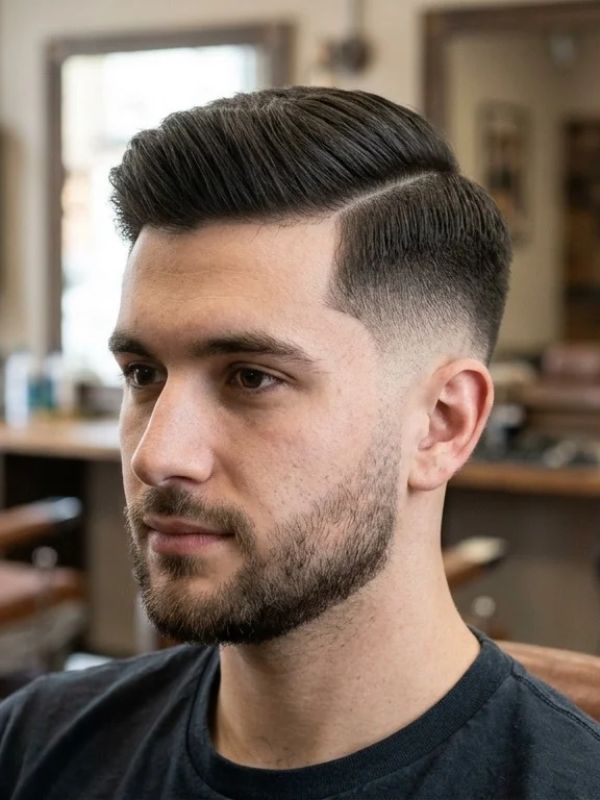
A side-part taper fade combines a classic hairstyle with a modern finish around the sides. The hair is directed to one side, while the tapered edges create a clean and balanced appearance.
It is a versatile choice for work, formal occasions, and everyday activities. You can keep the part subtle for a natural look or ask your barber for a more defined part. A comb and a small amount of styling product can help keep the hair in place.
8. Taper Fade with a Quiff
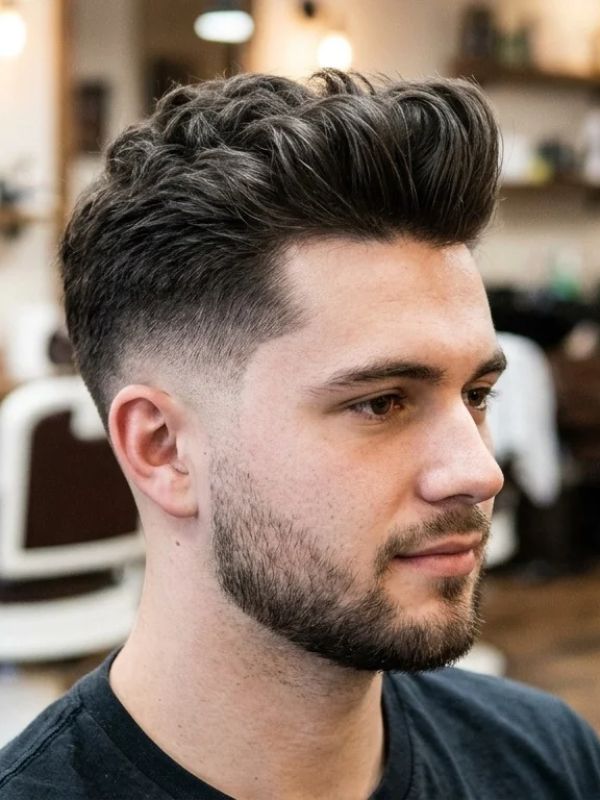
A quiff taper fade features hair styled upward and slightly backward at the front. The tapered sides help emphasize the volume on top, creating a structured hairstyle that can look both classic and contemporary.
This haircut works best when you have enough length at the front to create lift. Use a blow-dryer on a suitable setting and a lightweight styling product if you want extra volume. Ask your barber to recommend a quiff height that suits your natural hair growth.
9. Taper Fade with a Pompadour
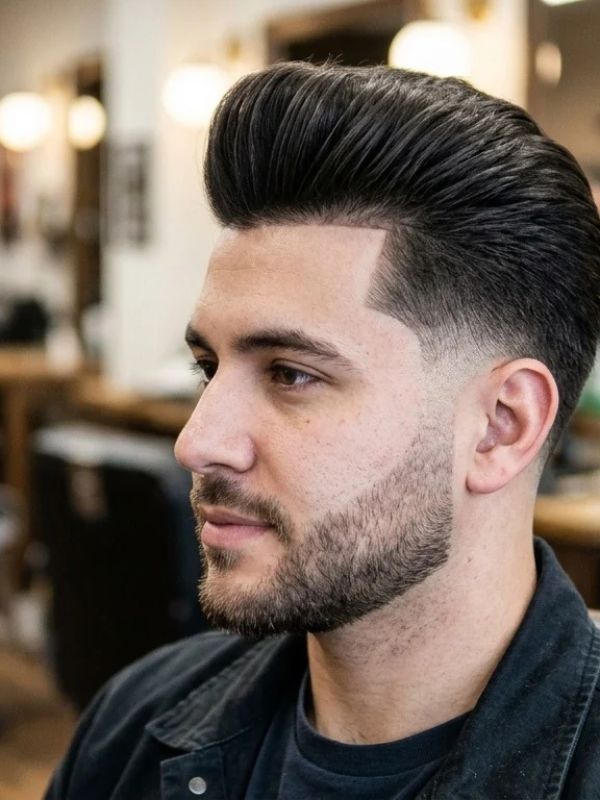
The pompadour taper fade combines volume at the front with neatly tapered sides. The top is brushed upward and backward, creating a fuller silhouette that stands out without requiring an extreme fade.
This style is suitable for men who enjoy a polished, carefully styled haircut. It generally requires more styling time than a short crop. A blow-dryer and a suitable pomade or styling cream can help maintain the shape throughout the day.
10. Taper Fade with a French Crop
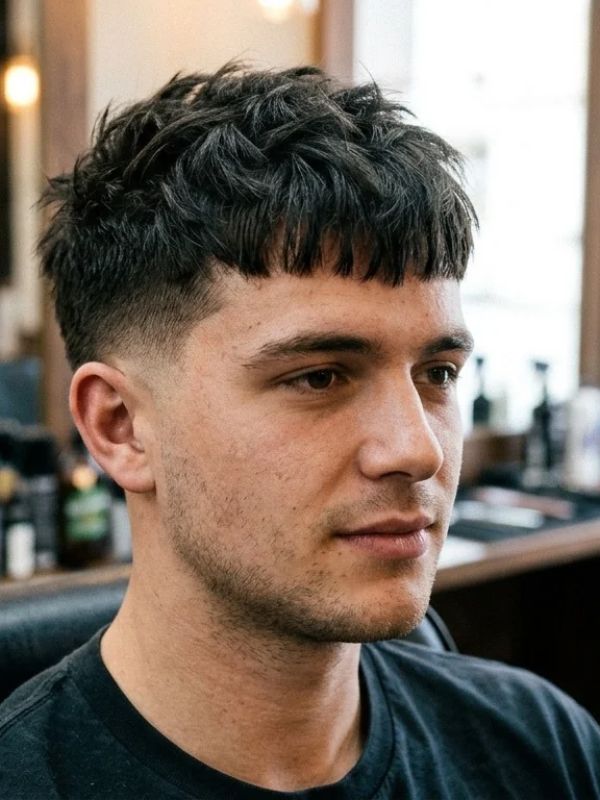
A French crop taper fade features a short top with a forward-directed fringe and clean tapered edges. The haircut has a simple shape that can be worn with natural texture or a more defined finish.
It is a useful option for men who prefer a low-maintenance hairstyle. Ask your barber to customize the fringe and top length according to your hair texture. A small amount of matte paste can add definition without making the haircut look too styled.
11. Taper Fade with a Buzz Cut
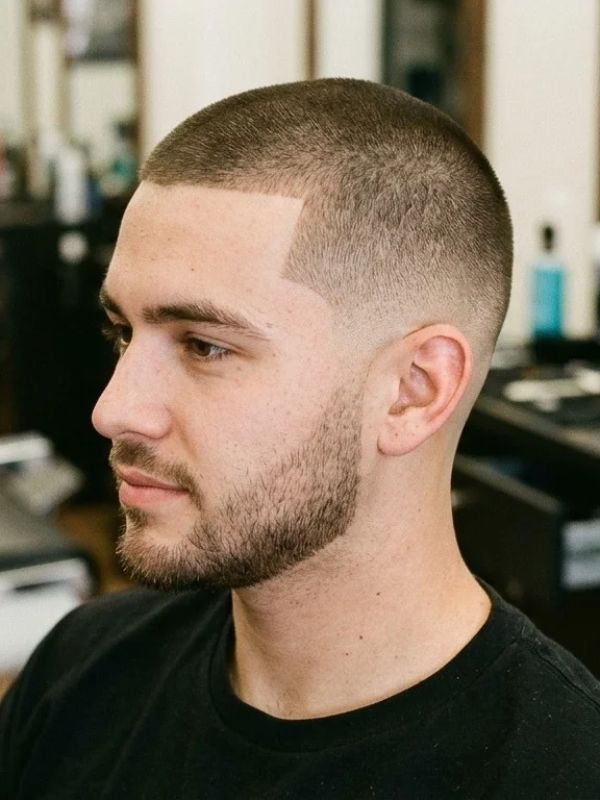
A buzz cut taper fade combines very short hair on top with a gradual taper around the temples and neckline. It creates a clean, simple appearance and is easy to maintain compared with longer hairstyles.
You can choose a uniform buzz length or leave slightly more hair on top for added contrast. Regular trimming helps keep the edges neat. Discuss the clipper guard length with your barber before the cut so you know how short the finished style will be.
12. Taper Fade with a Blowout
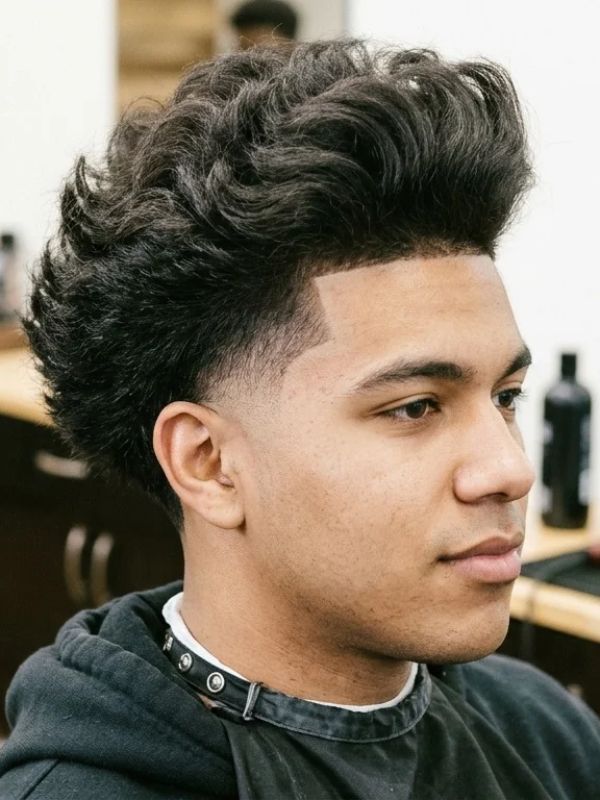
A blowout taper fade features hair styled upward and outward to create volume and movement. The tapered sides keep the shape neat while allowing the top to look fuller and more expressive.
This hairstyle can work with straight, wavy, and curly hair, depending on the length and styling technique. A blow-dryer and lightweight styling product can help create lift. Ask your barber how much length is needed to achieve the particular blowout shape you want.
13. Taper Fade with a Middle Part
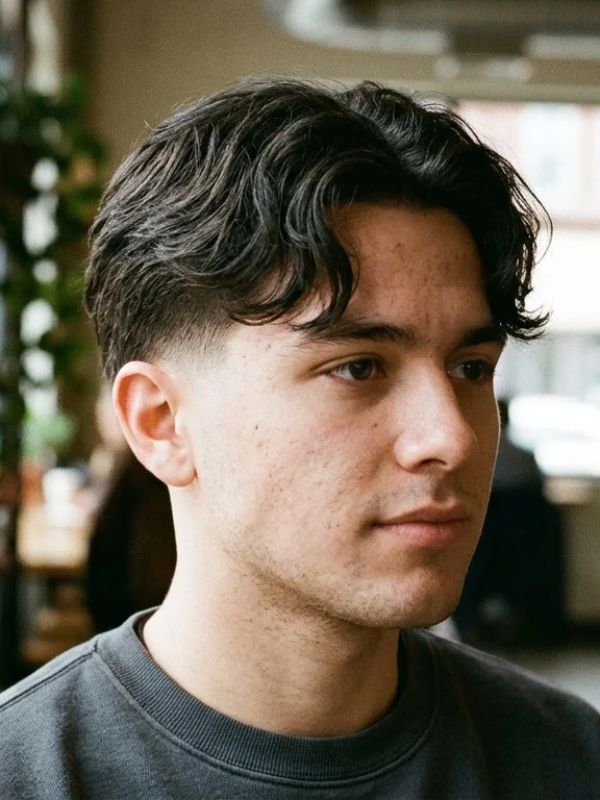
A middle-part taper fade combines a center-parted hairstyle with clean, tapered edges. The hair falls to both sides of the face, creating a relaxed appearance that can range from neat and structured to loose and natural.
This look is especially suitable for men with medium-length hair. A light styling cream can help control flyaways while preserving movement. Explain to your barber whether you prefer a soft middle part or a more defined separation.
14. Afro Taper Fade
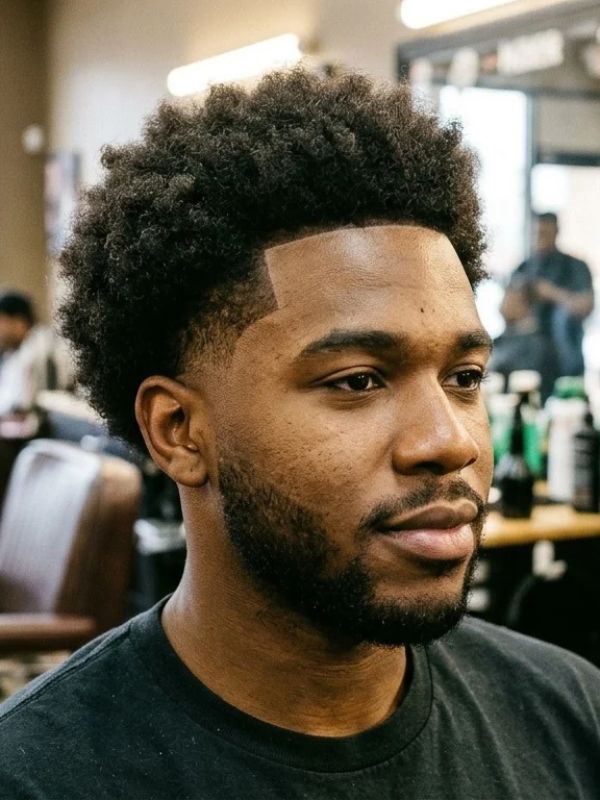
An afro taper fade keeps the natural afro texture on top while gradually shortening the hair around the temples and neckline. The result is a balanced haircut that preserves the volume and shape of the natural hair.
You can choose a rounded afro, a compact top, or a more defined shape according to your preference. Regular edge maintenance helps preserve the outline. Moisturizing products designed for your hair texture can also support a comfortable and manageable styling routine.
15. Taper Fade with Long Hair
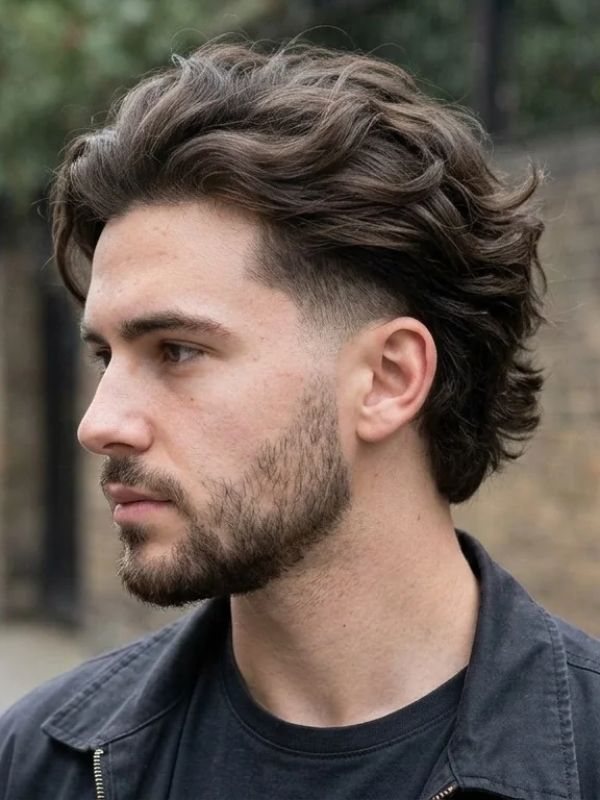
A taper fade with long hair combines length and movement on top with shorter, cleaner edges around the temples and neckline. It offers a useful balance for men who want to keep their longer hairstyle without letting the sides look untidy.
You can wear the top loose, swept backward, or tied into a small bun if the length allows. This style works best when your barber understands how to preserve the desired length while blending the edges naturally.
Taper Fade Haircut Comparison Table
The following table compares popular taper fade styles to help you choose an option that matches your preferred appearance and maintenance routine.
| Taper Fade Style | Best For | Overall Look | Maintenance |
| Low Taper Fade | Classic and professional styles | Subtle and neat | Low to medium |
| Mid Taper Fade | Everyday modern hairstyles | Balanced and defined | Medium |
| High Taper Fade | Sharper, more noticeable styles | Bold and clean | Medium |
| Curly Taper Fade | Naturally curly hair | Textured and defined | Medium |
| Textured Taper Fade | Textured and layered tops | Relaxed and modern | Low to medium |
| Wavy Taper Fade | Wavy hair | Natural and flowing | Medium |
| Side Part Taper Fade | Classic styling | Polished and traditional | Medium |
| Quiff Taper Fade | Hair with enough front length | Voluminous and structured | Medium to high |
| Pompadour Taper Fade | Fuller, styled tops | Refined and dramatic | High |
| French Crop Taper Fade | Short hair | Simple and contemporary | Low |
| Buzz Cut Taper Fade | Very short hairstyles | Minimal and clean | Low |
| Blowout Taper Fade | Hair that can hold volume | Full and expressive | Medium to high |
| Middle Part Taper Fade | Medium-length hair | Relaxed and balanced | Medium |
| Afro Taper Fade | Natural afro textures | Defined and shaped | Medium |
| Long Hair Taper Fade | Longer hairstyles | Flowing with clean edges | Medium |
Maintenance levels are approximate. Your hair growth, texture, chosen length, and styling routine can affect how often you need a trim.
How to Choose the Right Taper Fade
Consider Your Hair Texture
Your natural hair texture plays an important role in how a taper fade looks. Straight hair can work well with a side part, quiff, or textured crop. Wavy hair can add natural movement, while curly and coily hair can create volume and definition on top.
Choose a hairstyle that works with your natural texture instead of relying on extensive daily styling. A barber familiar with your hair type can recommend suitable lengths and blending techniques.
Choose the Right Taper Height
A low taper offers a subtle, understated finish, while a mid taper creates more visible definition. A high taper provides a sharper transition around the temples.
If you are unsure which option to choose, start by discussing a low or mid taper with your barber. You can adjust the height during a future appointment if you decide you want a more noticeable result.
Think About Your Daily Routine
Some taper fade styles need very little styling, while others require regular use of a blow-dryer, comb, or styling product. A buzz cut or French crop is generally easier to manage than a pompadour or quiff.
Consider how much time you want to spend getting ready each day. The best haircut is one that suits your routine and remains manageable between barber visits.
Bring a Reference Photo
A reference photo helps communicate the haircut you want more clearly than a name alone. Different barbers may interpret terms such as low taper, high taper, and textured taper differently.
Bring a photo showing the front, sides, and back if possible. Explain how much length you want to keep on top and how subtle or defined you want the edges to look.
How to Maintain a Taper Fade Haircut
Keeping your taper fade neat does not require a complicated routine. A few consistent habits can help preserve its shape.
- Schedule regular trims: Many people prefer a touch-up every two to four weeks, although the ideal timing depends on how quickly their hair grows and how sharp they want the edges to remain.
- Use suitable shampoo and conditioner: Choose products that work with your hair texture and scalp needs.
- Avoid excessive styling product: Start with a small amount and add more only when needed.
- Protect natural texture: Curly and coily hair may benefit from suitable moisturizing products, while fine hair may work better with lightweight styling products.
- Communicate with your barber: Tell your barber what worked well with your previous haircut so the next trim can be adjusted accordingly.
Taper Fade vs. Regular Taper: What Is the Difference?
A regular taper gradually shortens the hair around the temples, sideburns, and neckline but may leave a softer transition with more length remaining near the edges. A taper fade emphasizes a more noticeable blend into shorter hair, often using clippers to create a cleaner finish.
The terms are sometimes used interchangeably, and the exact result depends on the barber’s technique. If you want a very subtle change, ask for a soft taper. If you prefer more contrast around the edges, request a taper fade and show a reference photo.
Frequently Asked Questions
1. What Is the Best Taper Fade Haircut for Men?
The best taper fade depends on your hair texture, preferred length, and lifestyle. A low taper is subtle, a mid taper is versatile, and a high taper creates a sharper, more noticeable appearance.
2. Is a Taper Fade Good for All Hair Types?
Yes, a taper fade can be adapted for straight, wavy, curly, and coily hair. The barber can adjust the top length and blending technique to suit your natural texture and preferred hairstyle.
3. How Often Should I Get a Taper Fade?
Many men schedule a trim every two to four weeks to maintain clean edges. However, you may need more or less frequent appointments depending on your hair growth and how sharp you want the fade to look.
4. Is a Taper Fade Professional?
A taper fade can be suitable for professional settings, especially when paired with a neat side part, short textured top, or classic hairstyle. A subtle low taper is often a good option for a conservative appearance.
5. Can I Get a Taper Fade with Long Hair?
Yes. A taper fade can keep the temples and neckline neat while allowing you to retain long hair on top. You can wear the longer hair loose, swept back, or tied up if it is long enough.
Conclusion
The taper fade haircut is a versatile choice for men who want clean edges and a hairstyle that suits their personal preferences. From the subtle low taper to the sharper high taper, there are many options to consider. You can combine a taper fade with curls, waves, a side part, a textured crop, a quiff, or longer hair to create a look that feels right for you.
Before choosing your next haircut, consider your natural hair texture, daily styling routine, and preferred level of maintenance. Bring a reference photo to your barber and explain the finish you want around the temples and neckline. With the right combination of length, texture, and taper height, you can enjoy a stylish haircut that works for everyday life in 2026.