
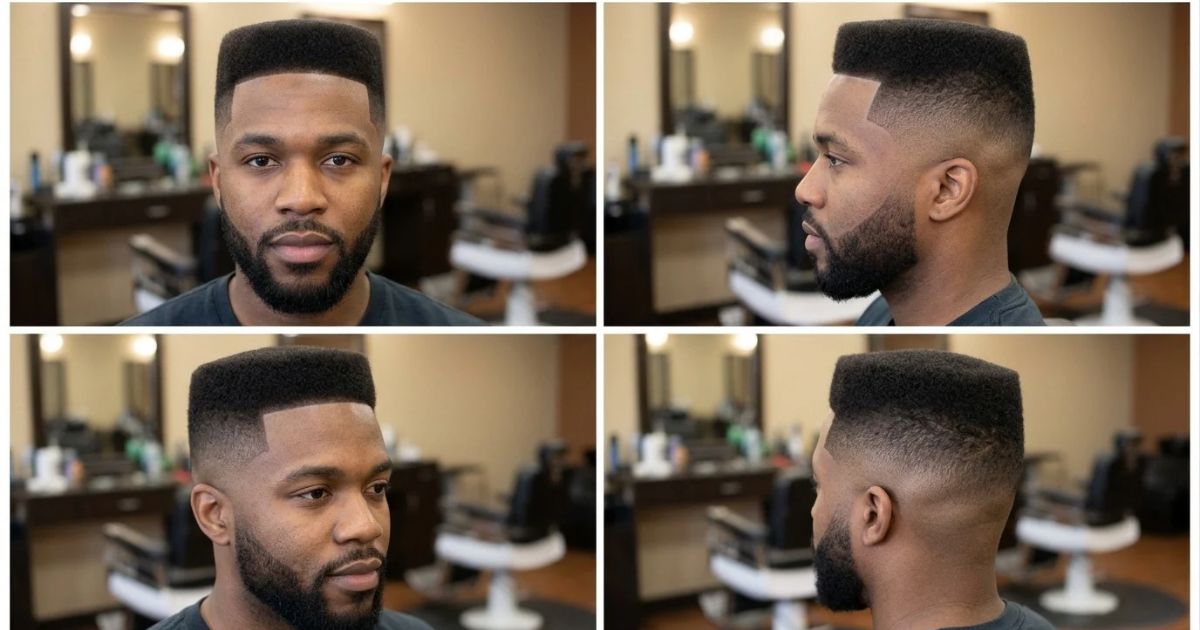
The flat top haircut is a classic men’s hairstyle that continues to attract attention because of its sharp shape, clean sides, and distinctive flat surface on top. Unlike many modern hairstyles that focus on loose texture or messy volume, the flat top creates a structured appearance with hair standing upright and the top cut relatively level. It can look bold, sporty, retro, or modern depending on how the sides and top are styled.
One of the best things about the flat top haircut is its versatility. You can choose a traditional military-inspired flat top, a modern flat top fade, a curly flat top, or a shorter version that is easier to maintain. Whether you prefer a classic barbershop look or a contemporary hairstyle, there are several flat top variations worth considering in 2026.
What Is a Flat Top Haircut?
A flat top haircut is a hairstyle in which the hair on top is cut or styled to create a flat, level surface. The sides and back are usually kept shorter, often with a taper or fade, to make the top stand out. The height of the top can vary from a short, subtle shape to a taller, more dramatic style.
This haircut is especially associated with classic barbering and military-inspired hairstyles. However, modern versions can include skin fades, textured finishes, and different shapes suited to straight, wavy, or tightly curled hair. A skilled barber can adjust the height, width, and angles to create a flat top that suits your hair texture and preferred appearance.
Learn more:Edgar Haircut: 12 Trendy Styles for Men in 2026
15 Best Flat Top Haircut Styles for Men
1. Classic Flat Top Haircut
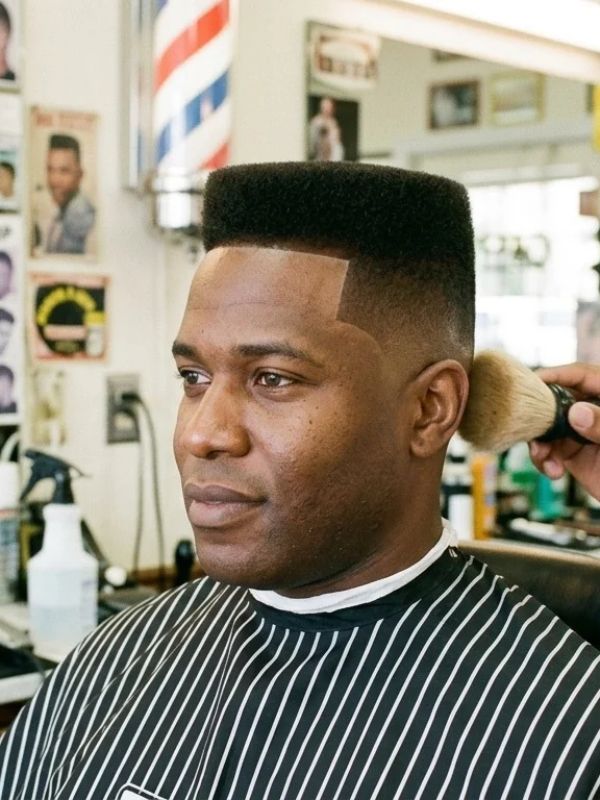
The classic flat top features a level surface across the top and neatly trimmed sides. The hair is usually cut to stand upright, creating the distinctive squared-off silhouette that makes this hairstyle recognizable.
This version is ideal for anyone who appreciates traditional barbering. Ask your barber to keep the top balanced and the corners clearly defined while making sure the shape works with your natural hair growth.
2. Flat Top Fade
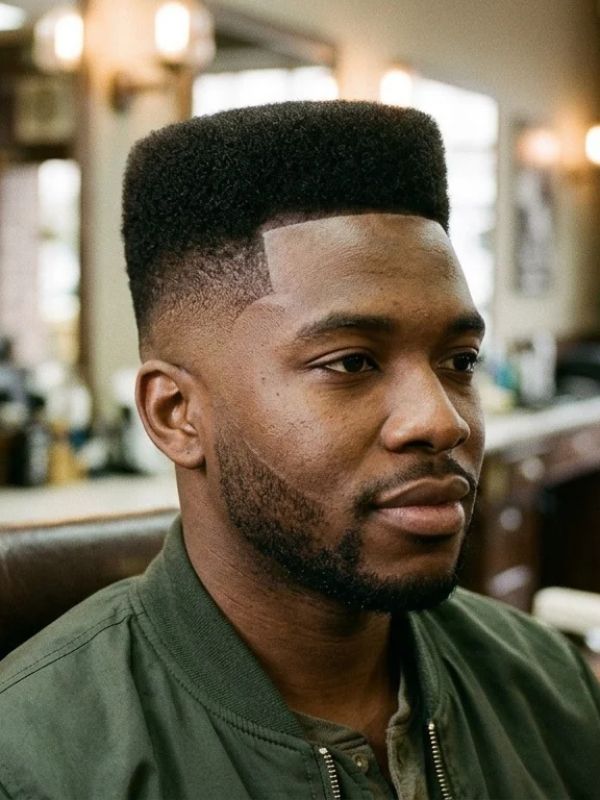
The flat top fade combines the traditional flat surface with faded sides. The hair gradually becomes shorter toward the lower sides, producing a clean contrast between the top and the sides.
This style gives the classic haircut a more contemporary finish. You can choose a low, mid, or high fade depending on how much contrast you want. The top can remain short and subtle or taller for a more noticeable shape.
3. High Flat Top Haircut
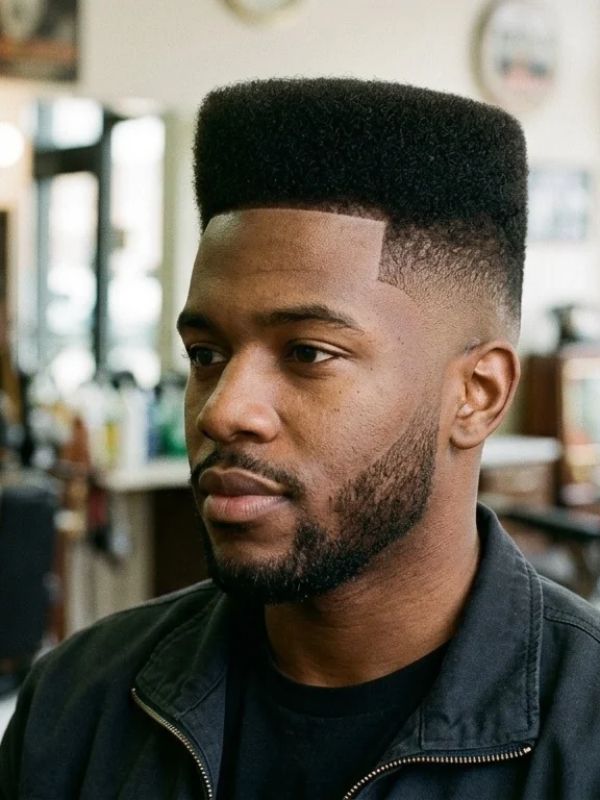
A high flat top leaves extra height on top, creating a strong and dramatic silhouette. The sides are generally kept short to emphasize the vertical shape.
This variation requires enough hair length and suitable styling to keep the top upright. A barber can adjust the height according to your hair texture, density, and comfort with daily styling.
4. Short Flat Top Haircut
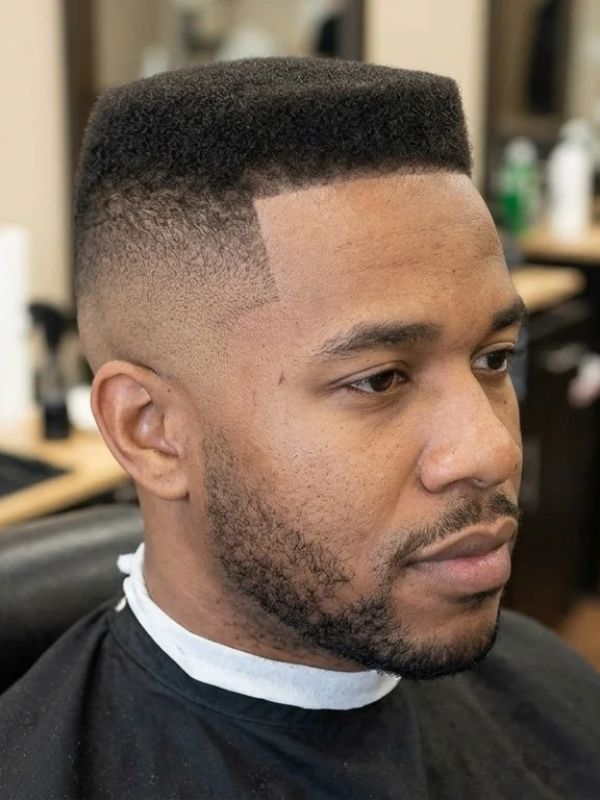
The short flat top features less height than the traditional version while preserving a relatively level top. It offers a neat appearance without requiring as much daily styling.
This is a practical choice if you prefer shorter hair or want a simple routine. The barber can use subtle tapering on the sides to maintain a clean outline without making the haircut look too sharp.
5. Curly Flat Top Haircut
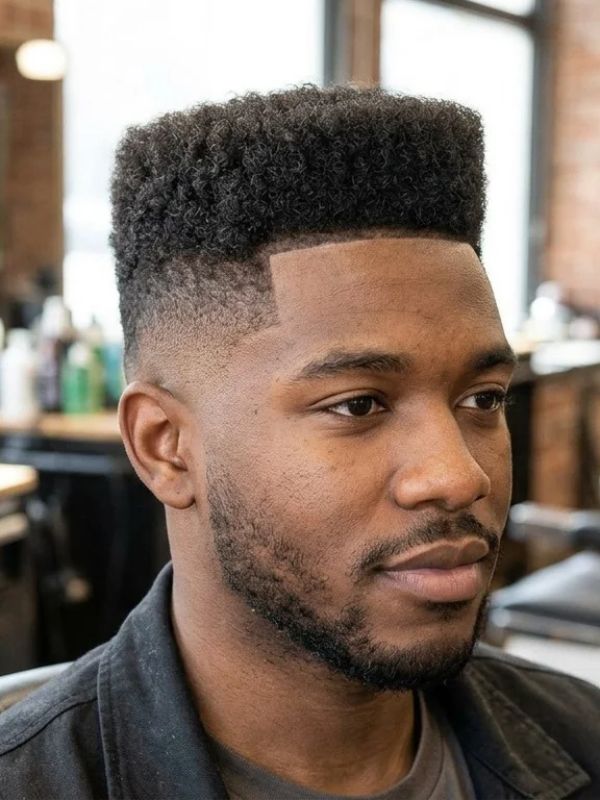
The curly flat top uses naturally curly or tightly coiled hair to create volume and a level top. The sides can be tapered or faded to highlight the shape.
This version works especially well when the hair has enough natural density to hold its structure. A barber experienced with textured hair can shape the top carefully while preserving the hair’s natural pattern.
6. Flat Top with Low Fade
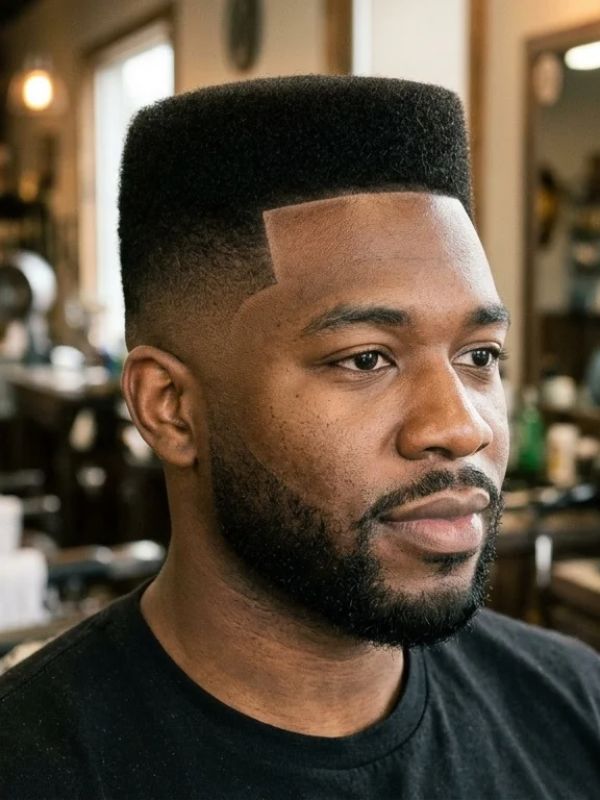
A low-fade flat top keeps the fade close to the ears and neckline. More hair remains on the upper sides, making the transition softer than a high fade.
This is a good option if you want a modern haircut without an overly dramatic contrast. It combines the structured top with a more understated finish that works for everyday settings.
7. Flat Top with Mid Fade
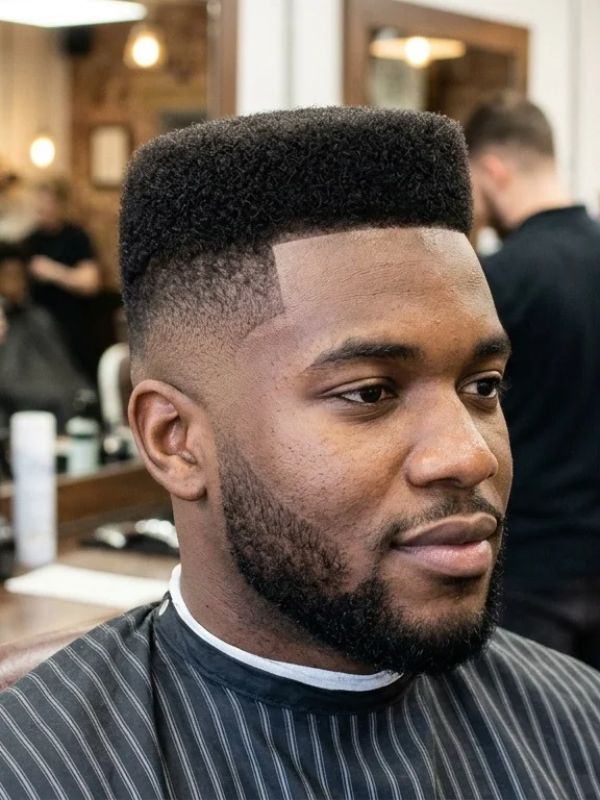
The mid-fade flat top features a fade that starts around the middle of the sides. It creates a balanced contrast while keeping the flat top as the main feature.
This variation is suitable for men who want a clear fade without taking the sides as high as a high fade. Your barber can adjust the fade placement and top height to achieve a proportionate result.
8. Flat Top with High Fade
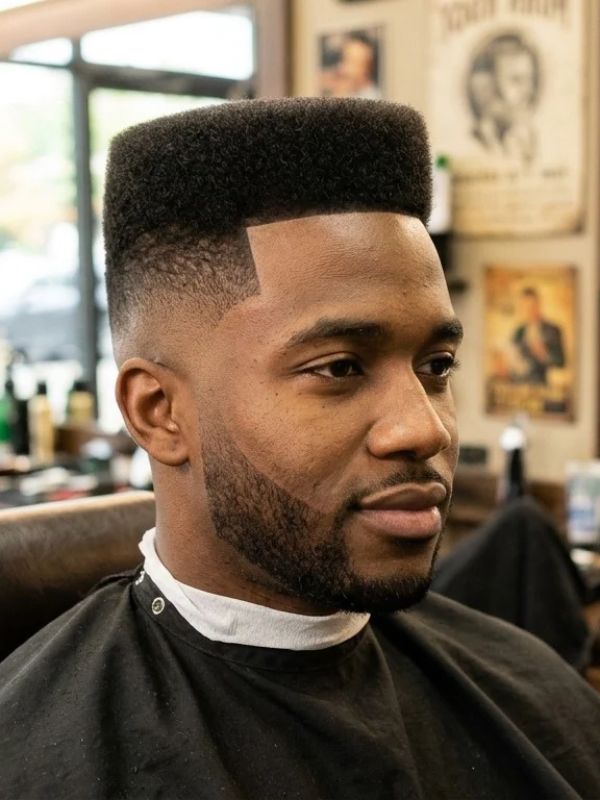
A high-fade flat top features very short sides that begin fading higher on the head. This creates a more noticeable difference between the sides and the top.
The style has a bold, contemporary appearance. Because the fade is prominent, regular trims may be needed to keep the sides looking sharp and the overall shape balanced.
9. Military Flat Top Haircut
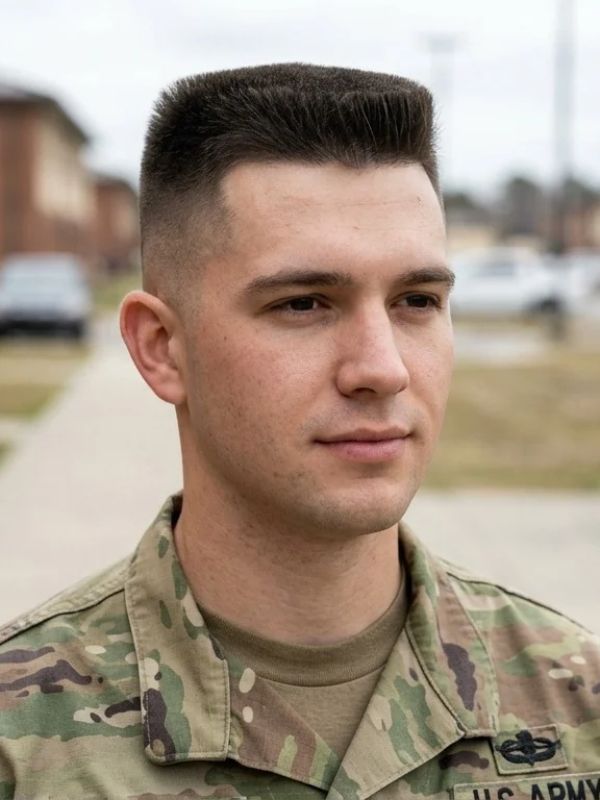
The military flat top is a short, disciplined version with a clearly defined top and closely trimmed sides. It draws inspiration from traditional military and uniformed-service hairstyles.
This version generally prioritizes simplicity and a tidy outline over extra height or decorative styling. It can be a good choice if you prefer a straightforward haircut with a strong shape.
10. Textured Flat Top Haircut
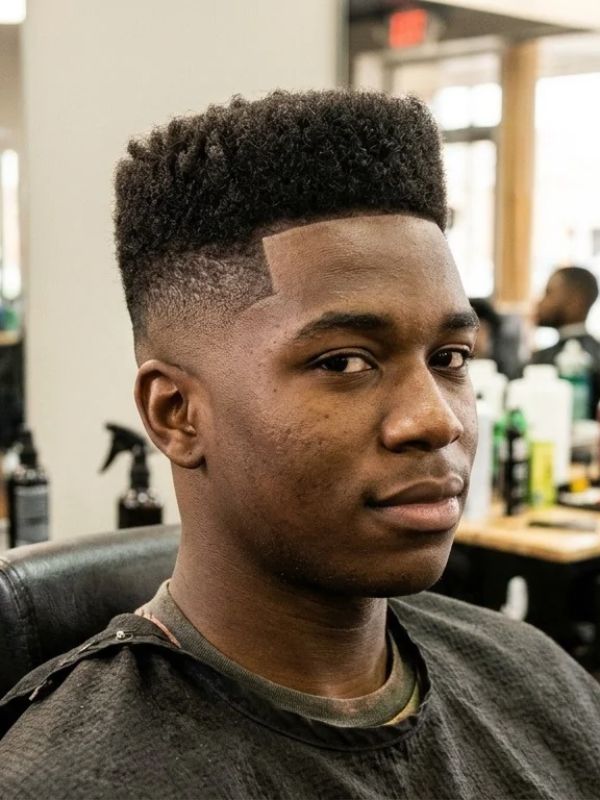
The textured flat top adds some natural separation and movement to the upper hair while preserving the overall flat shape. It may look less rigid than a completely uniform traditional flat top.
This style can work well for men who want a contemporary variation. The barber can introduce controlled texture without removing so much length that the flat surface becomes difficult to maintain.
11. Flat Top with Skin Fade
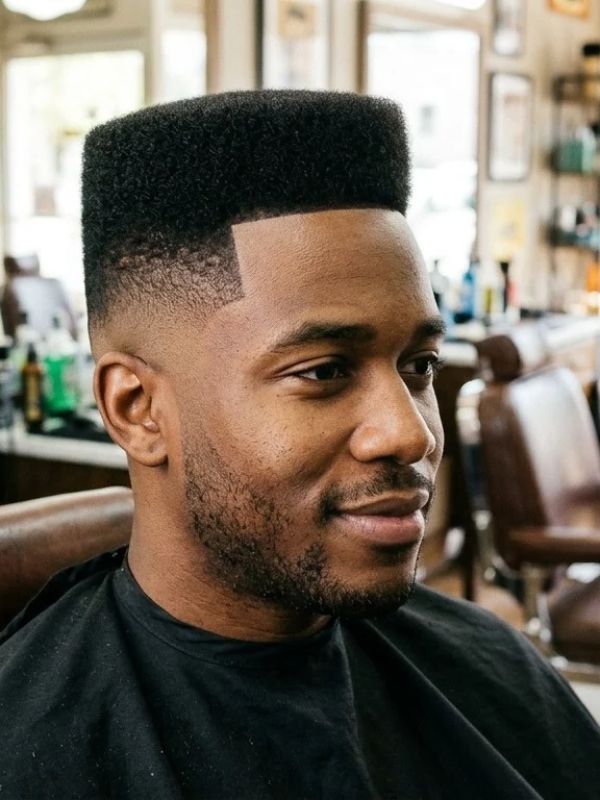
The skin-fade flat top combines a level top with sides that fade down to very short hair near the skin. The contrast gives the hairstyle a sharp and noticeable finish.
This option is especially suitable for those who like a clean, high-contrast look. It usually needs more frequent barber visits than a classic taper because the shortest areas become less defined as the hair grows.
12. Flat Top with Line-Up
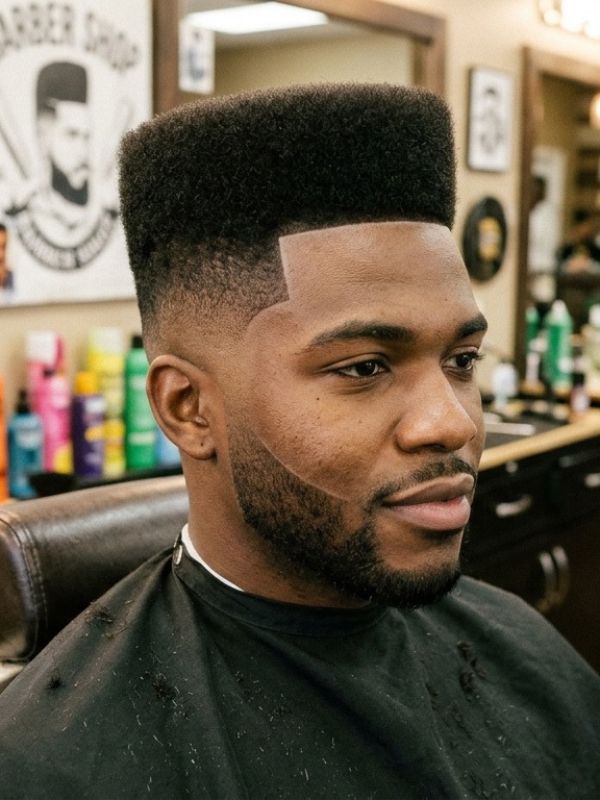
A flat top with a line-up features sharply defined edges around the forehead and temples. The clean outline complements the squared shape of the top.
This variation creates a polished barbershop finish. Ask your barber to keep the line-up natural and balanced with your hairline rather than making the edges look unnecessarily exaggerated.
13. Rounded Flat Top Haircut
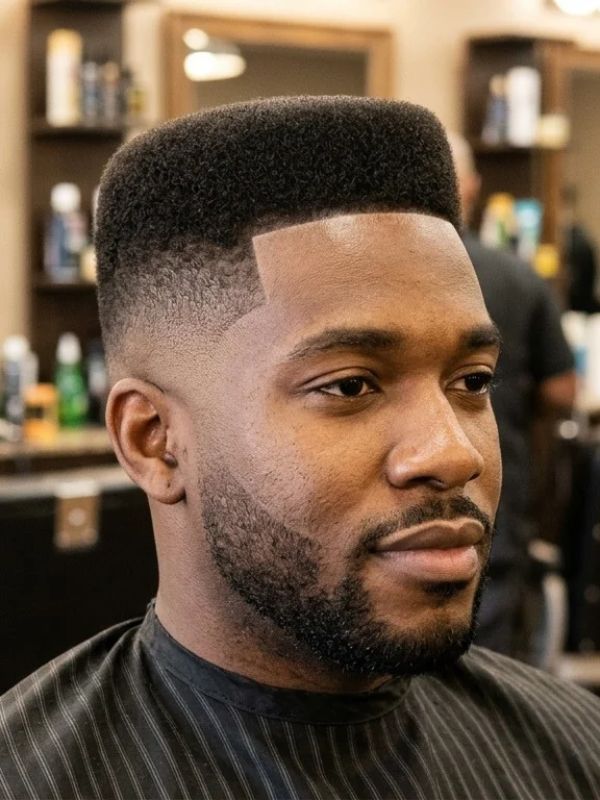
A rounded flat top softens the corners of the traditional shape while retaining a relatively level surface. Instead of sharp, square edges, the outline has a more gradual transition.
This version can be a useful alternative if you like the flat top concept but prefer a less angular appearance. The barber can customize the corners and side shape to match your desired finish.
14. Flat Top with Taper Fade
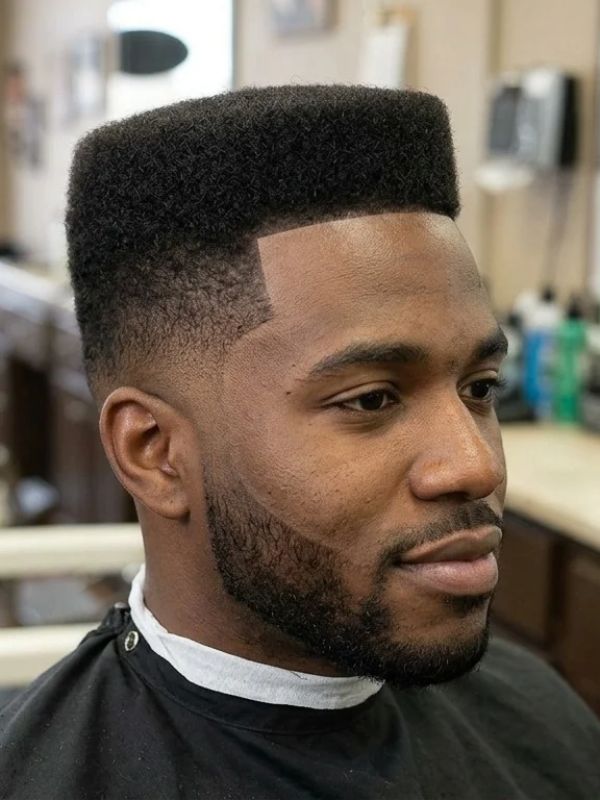
The taper-fade flat top combines the structured top with a gradual reduction in length around the temples and neckline. Depending on the barber’s technique, the transition can be subtle or more noticeable.
This is a versatile option for men who want a classic shape with modern detailing. It can be paired with a short or moderately high top, provided the overall proportions remain balanced.
15. Modern Flat Top Haircut
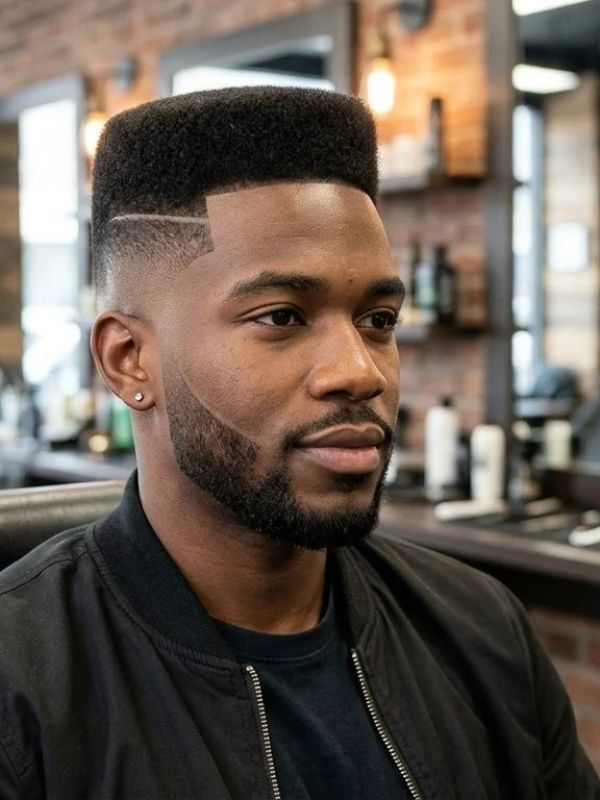
The modern flat top updates the traditional style with contemporary fades, personalized height, or a slightly textured surface. It keeps the signature level top while allowing more flexibility in the finish.
This variation is ideal if you appreciate classic hairstyles but want something that feels current. Bring a reference photo to your barber and discuss the amount of height, edge definition, and fade you prefer.
Flat Top Haircut Comparison Table
The table below compares popular flat top haircut styles to help you choose the right option.
| Flat Top Style | Top Height | Side Style | Best For | Maintenance |
| Classic Flat Top | Medium | Short sides | Traditional style | Moderate |
| Flat Top Fade | Short to high | Fade | Modern appearance | Moderate to high |
| High Flat Top | High | Short sides | A bold silhouette | High |
| Short Flat Top | Low | Taper or short sides | Simple styling | Low to moderate |
| Curly Flat Top | Medium | Taper or fade | Curly or coiled hair | Moderate |
| Low Fade Flat Top | Medium | Low fade | Subtle contrast | Moderate |
| Mid Fade Flat Top | Medium | Mid fade | Balanced contrast | Moderate to high |
| High Fade Flat Top | Medium to high | High fade | Sharp contrast | High |
| Military Flat Top | Short | Closely trimmed | Neat, classic look | Moderate |
| Textured Flat Top | Short to medium | Taper or fade | A softer modern finish | Moderate |
| Skin Fade Flat Top | Medium | Skin fade | High-contrast styling | High |
| Line-Up Flat Top | Short to high | Defined edges | Sharp outline | Moderate to high |
| Rounded Flat Top | Low to medium | Short sides | Softer corners | Moderate |
| Taper Fade Flat Top | Short to medium | Taper fade | Classic-modern blend | Moderate |
| Modern Flat Top | Custom height | Fade or taper | Personalized style | Depends on design |
Maintenance levels are general estimates. Your actual routine depends on hair growth, texture, top height, and the sharpness of the fade.
How to Choose the Right Flat Top Haircut
The right flat top depends on your natural hair texture, the height you want, and how much time you are willing to spend styling your hair.
For straight hair: A shorter flat top may be easier to shape, although the barber may need to use appropriate styling techniques to help the hair stand upright.
For curly or coiled hair: Natural texture can help create a full, structured top. Choose a barber who understands how to shape textured hair while maintaining a balanced surface.
For thick hair: A barber can remove excess bulk carefully and shape the top into a level surface. The amount of height will depend on how the hair naturally stands.
For a low-maintenance look: A short flat top with a simple taper may be easier to manage than a very tall design with a skin fade.
For a bold look: A high flat top paired with a high fade creates more contrast and a more noticeable silhouette, but it may require extra styling and maintenance.
A reference photo is helpful because the term “flat top” covers several different heights, corner shapes, and fade styles.
How to Ask Your Barber for a Flat Top Haircut
Clear instructions help your barber create the shape you want. Before the haircut begins, explain how high you want the top and how short you prefer the sides.
- Specify the height: Tell your barber whether you want a short, medium, or high flat top.
- Choose the sides: Decide between classic short sides, a taper, or a low, mid, or high fade.
- Discuss the top shape: Explain whether you prefer sharp square corners or a slightly rounded outline.
- Mention your hair texture: Your natural hair pattern affects how easily the top can stand upright.
- Show a reference image: A photo makes it easier to communicate the exact proportions and finish you want.
Your barber may recommend small adjustments based on hair density, growth direction, and the shape of your head.
How to Style a Flat Top Haircut at Home
A flat top usually requires more shaping than a loose, natural hairstyle. The exact routine depends on the height and texture of your hair.
Step 1: Start with Clean Hair
Wash your hair with a suitable shampoo and use conditioner when needed. Towel-dry gently so the hair is damp rather than dripping wet.
Step 2: Lift the Hair Upward
Use a comb or your fingers to direct the top upward. For hair that naturally lies flat, a blow-dryer on a moderate setting may help create the required lift.
Step 3: Shape the Top
Use a comb to guide the hair into an upright position. The goal is to create a relatively level surface rather than a rounded quiff or a forward-swept fringe.
Step 4: Apply a Suitable Styling Product
A lightweight styling product may help hold the shape. Start with a small amount and add more only if necessary. The right product depends on your hair texture and the height you want.
Step 5: Check the Shape
Look at the haircut from the front and sides. Make small adjustments so the top appears balanced. Avoid excessive heat or repeated styling that leaves your hair feeling dry.
How to Maintain a Flat Top Haircut
Keeping a flat top looking sharp involves preserving its shape and taking care of the hair.
- Get regular trims: The top may need reshaping as it grows, while faded sides can require more frequent attention.
- Maintain the flat surface: Ask your barber to preserve the height and level shape you prefer.
- Use suitable products: Choose a product that provides the hold you need without making the hair feel unnecessarily heavy.
- Care for textured hair: Conditioning can help manage dryness and make curls or coils easier to shape.
- Avoid excessive heat: Use moderate heat and a heat protectant if you regularly use a blow-dryer.
The taller the flat top and the sharper the fade, the more attention the haircut may require. Choosing a height that works with your natural hair can make maintenance easier.
Frequently Asked Questions
1. What is a flat top haircut?
A flat top haircut is a men’s hairstyle with hair on top shaped into a level surface. The sides and back are usually shorter, creating a distinctive, structured silhouette.
2. Is the flat top haircut still popular in 2026?
The flat top remains a recognizable classic hairstyle, and modern variations use fades, tapers, and textured finishes. Its appeal depends on personal taste and the style you choose.
3. Is a flat top haircut good for curly hair?
Yes, curly and tightly coiled hair can work well for a flat top because its natural texture can help create volume. A barber experienced with textured hair can shape the top appropriately.
4. How often should I get a flat top haircut trimmed?
The timing depends on your hair growth and preferred shape. Faded sides may need more frequent trims, while a simple short flat top can be maintained according to how quickly its shape changes.
5. Is a flat top haircut easy to style?
A short flat top may be relatively simple to manage, but taller versions can require extra shaping and styling product. Your natural hair texture also affects how easily the top holds its shape.
Conclusion
The flat top haircut is a distinctive choice for men who want a structured hairstyle with a clean outline. From the classic and military flat top to modern fades, curly variations, and textured finishes, there are many ways to customize the look.
Before choosing your style, consider your natural hair texture, preferred top height, and maintenance routine. Show your barber a reference photo and discuss the shape and fade you want. With a suitable cut and consistent care, a flat top can deliver a sharp, timeless appearance that fits your personal style.