

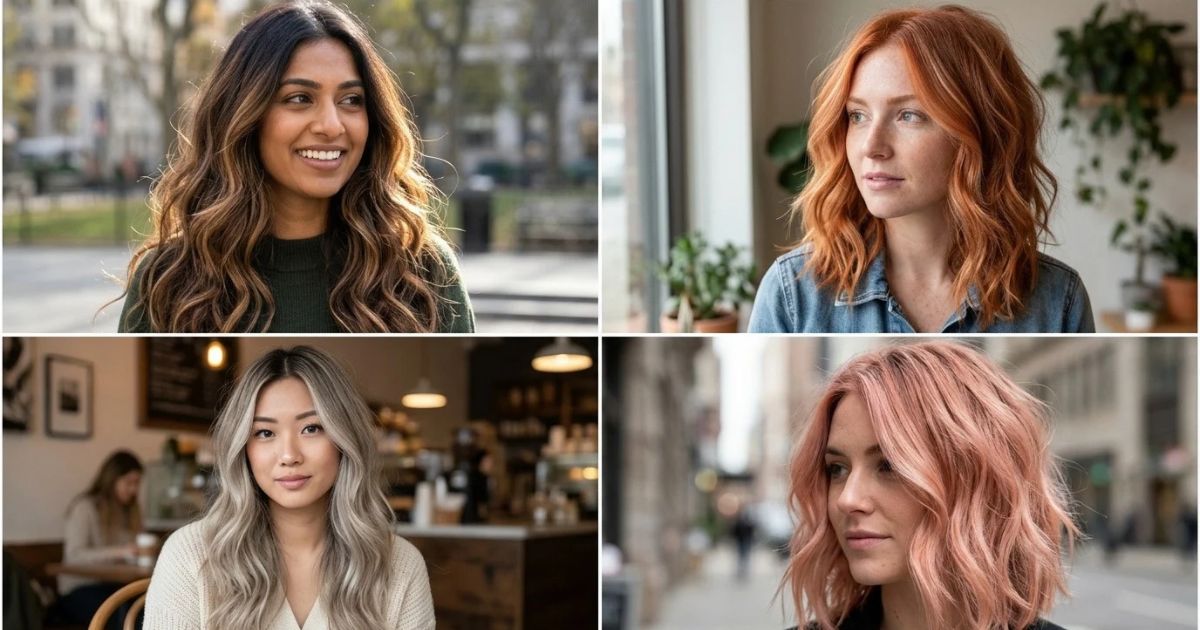
Looking for fresh hair color ideas to update your hairstyle in 2026? The right hair color can add dimension, enhance your natural hair texture, and give your overall look a new appearance. From warm caramel highlights and rich chocolate brown to copper red and soft blonde balayage, there are many beautiful shades to explore.
Whether you prefer a natural-looking color or a bold transformation, choosing a shade that suits your personal style and maintenance routine is important. Some colors create a subtle change, while others offer a more noticeable contrast. You can also combine different shades to create depth and dimension.
In this guide, you will discover 15 beautiful hair color ideas for women, popular color combinations, maintenance tips, and answers to common hair-color questions.
What Are the Best Hair Color Ideas for Women?
The best hair color depends on your preferences, natural hair color, desired result, and how much maintenance you want. Chocolate brown, honey blonde, caramel highlights, auburn, and balayage are versatile options that can be customized for different hairstyles.
Before choosing a shade, consider whether you want an all-over color, highlights, lowlights, or a blended technique. A professional colorist can help you understand which options are suitable for your current hair color and condition.
Learn more:Butterfly Haircut: 10 Gorgeous Styles for Women in 2026
15 Beautiful Hair Color Ideas for Women
1. Chocolate Brown Hair Color
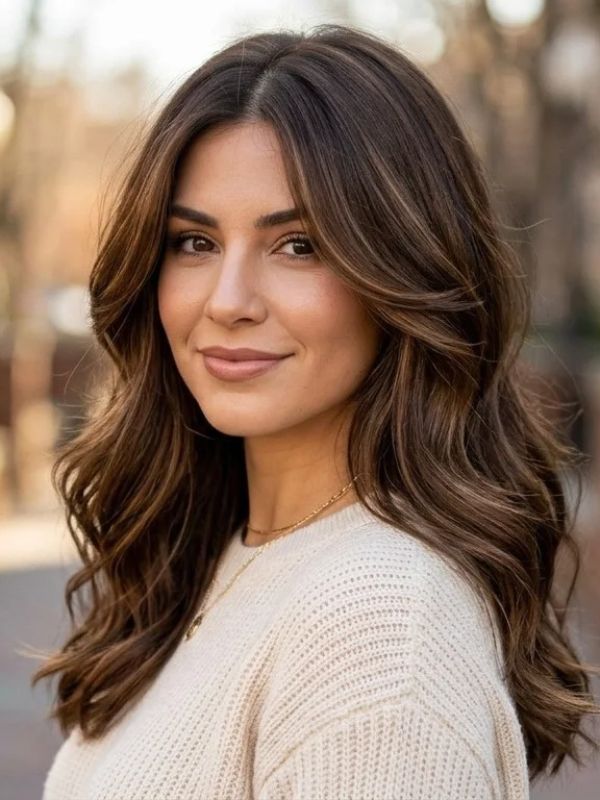
Chocolate brown is a rich, elegant shade that gives hair a natural-looking finish. It can create a glossy appearance and works well with straight, wavy, and curly hairstyles.
This color is a great option for women who want a noticeable refresh without choosing a very light shade. You can keep it as an all-over color or combine it with subtle caramel highlights for extra dimension.
2. Honey Blonde Hair Color
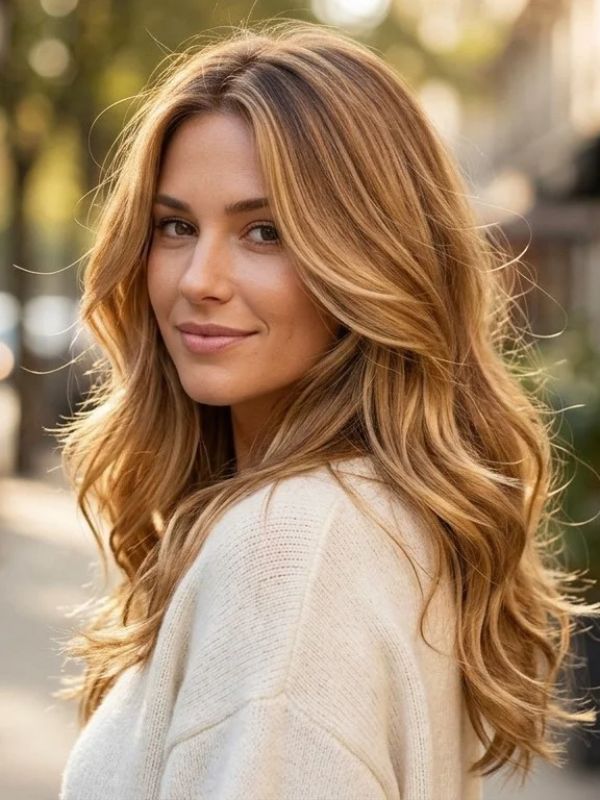
Honey blonde combines golden and warm blonde tones to create a soft, sunny appearance. It can brighten the overall look of a hairstyle and works particularly well with layered cuts and loose waves.
You can choose an all-over honey blonde shade or add it through highlights and balayage. The amount of lightening required depends on your starting hair color, so a consultation is helpful before making a major change.
3. Caramel Highlights
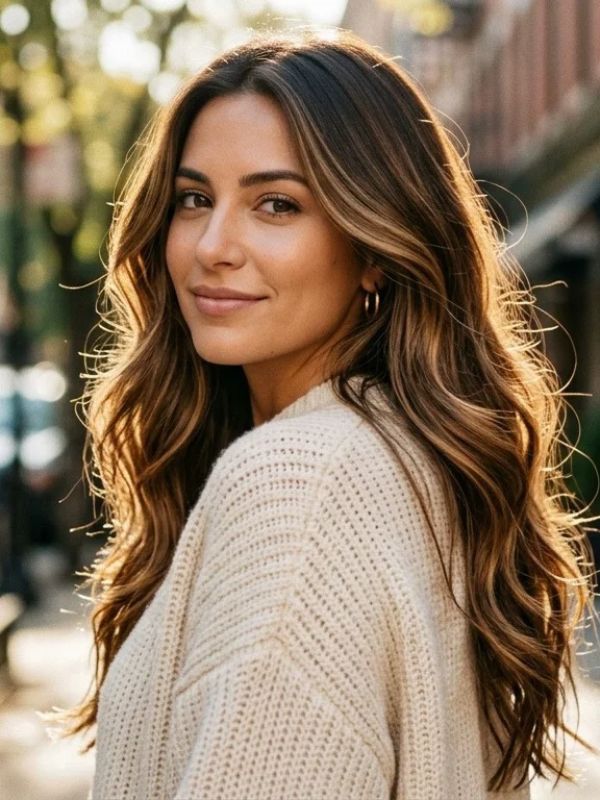
Caramel highlights add warm, golden-brown ribbons of color to the hair. They create dimension by contrasting with the base shade while maintaining a blended appearance.
This option works beautifully on brown and dark brown hair. Caramel highlights can be placed around the face, throughout the lengths, or mainly toward the ends, depending on how noticeable you want the result to be.
4. Copper Red Hair Color
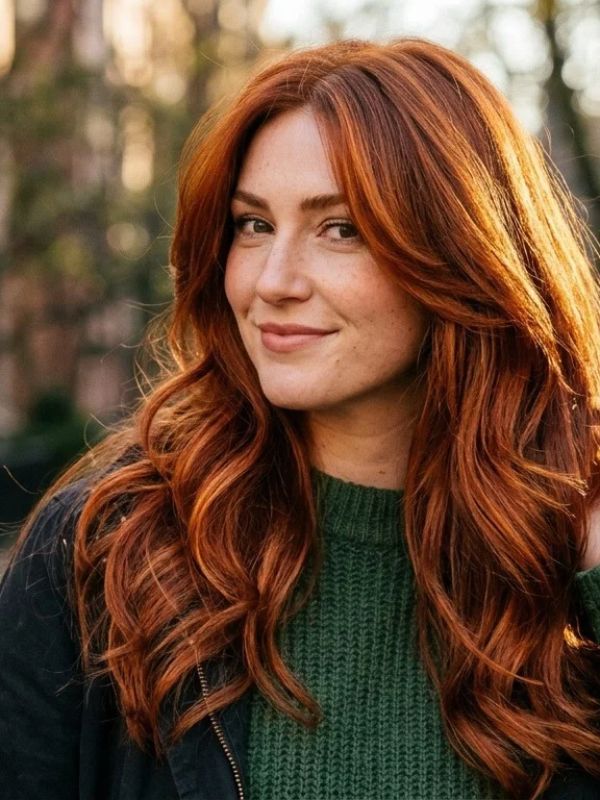
Copper red blends warm orange and red tones to create a vibrant, eye-catching color. It can look striking on short bobs, long layers, textured cuts, and soft waves.
If you want a bold change, copper can be applied throughout the hair. For a subtler effect, consider copper highlights or a softer auburn-copper shade. Red and copper tones can fade relatively quickly, so color-safe care is important.
5. Ash Brown Hair Color
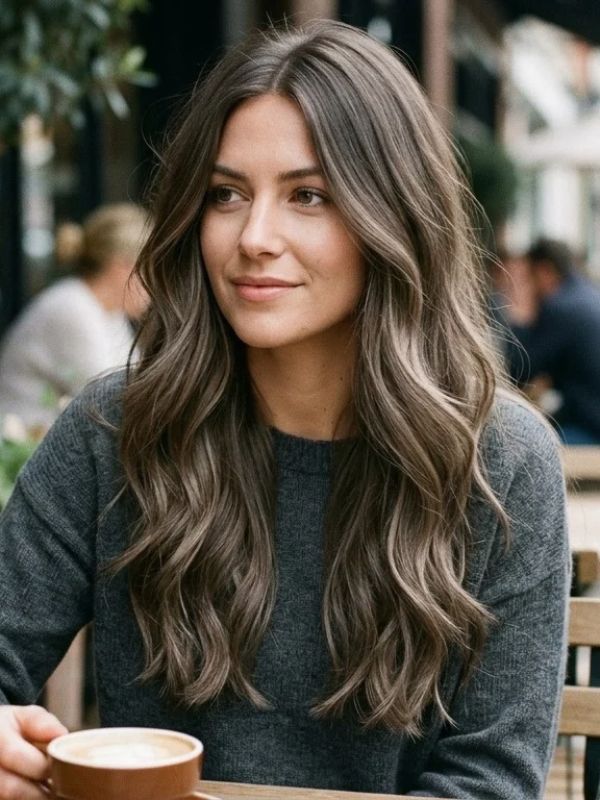
Ash brown features cooler brown tones that create a muted, modern appearance. It is an option for women who prefer less golden or reddish warmth in their hair color.
The final result depends on your natural base color and the color formula used. A colorist can help determine whether a light, medium, or dark ash brown shade is achievable without excessive processing.
6. Balayage Hair Color
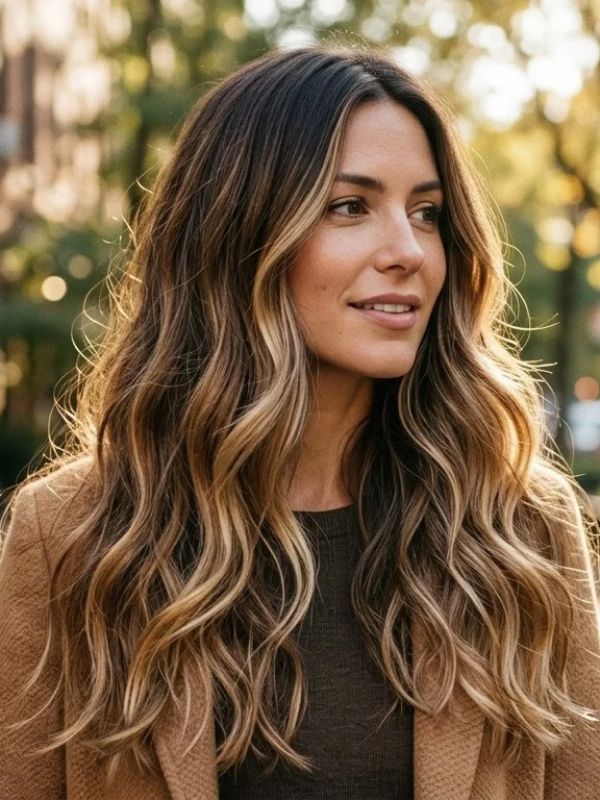
Balayage is a coloring technique in which lighter tones are painted onto selected sections of the hair to create a blended, graduated effect. It is often used to create a natural-looking transition from darker roots to lighter lengths.
Balayage can be customized using caramel, honey blonde, beige blonde, or other shades. Because the roots can remain relatively close to the natural color, some balayage styles may need less frequent root maintenance than an all-over color.
7. Burgundy Hair Color
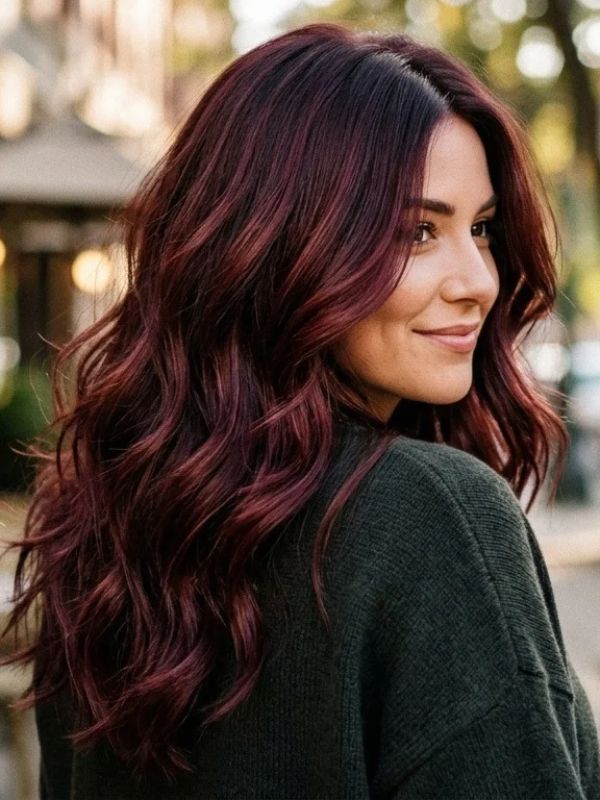
Burgundy combines deep red and violet tones for a rich, dramatic finish. It can be used as an all-over shade or incorporated into highlights for added dimension.
This color is a good choice for women who want something different from traditional brown or blonde. The result can range from subtle wine-red tones to a deeper purple-red appearance, depending on the formula and starting hair color.
8. Golden Blonde Hair Color
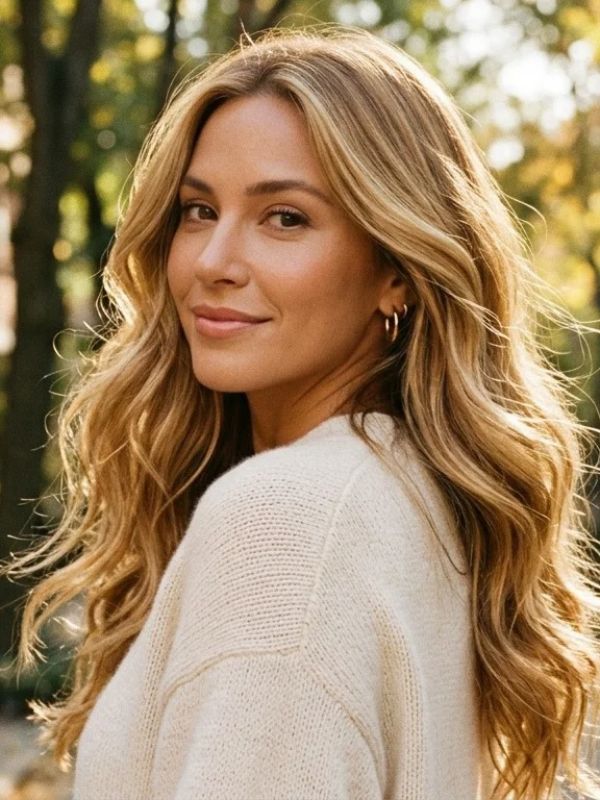
Golden blonde features warm, yellow-gold tones that create a bright and luminous appearance. It can be styled as a uniform shade or blended with darker roots for a softer transition.
Golden blonde works with a variety of haircuts, including long layers, shoulder-length styles, and bobs. Lightening the hair may require multiple sessions, especially when starting from a darker base.
9. Mocha Brown Hair Color
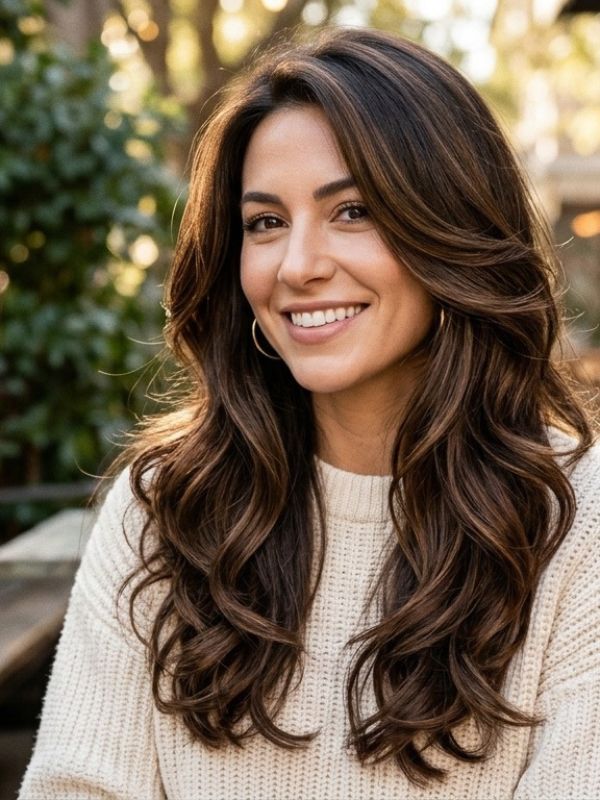
Mocha brown is a balanced brown shade inspired by coffee and chocolate tones. It can look soft and sophisticated without appearing as dark as some deep brunette shades.
This color works well as an all-over shade and can also serve as a base for subtle beige or caramel highlights. It is a versatile option for women who want a polished look with moderate color contrast.
10. Rose Gold Hair Color
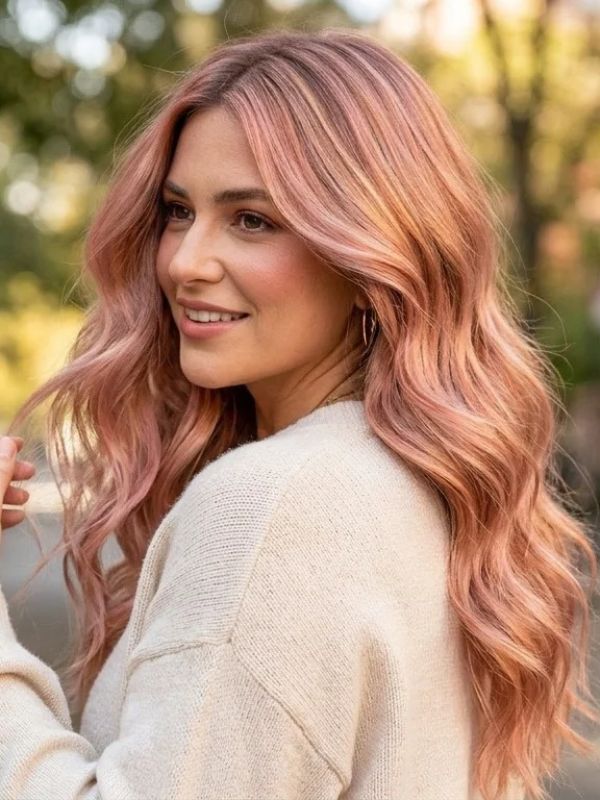
Rose gold combines pink, peach, and golden tones to create a soft, distinctive shade. Depending on the formula, it can look subtle and pastel-like or richer and warmer.
Rose gold can be applied to selected sections or throughout the hair. Achieving a light rose-gold finish may require pre-lightening, and pastel tones often need extra care to maintain their appearance.
11. Black Hair with Caramel Highlights
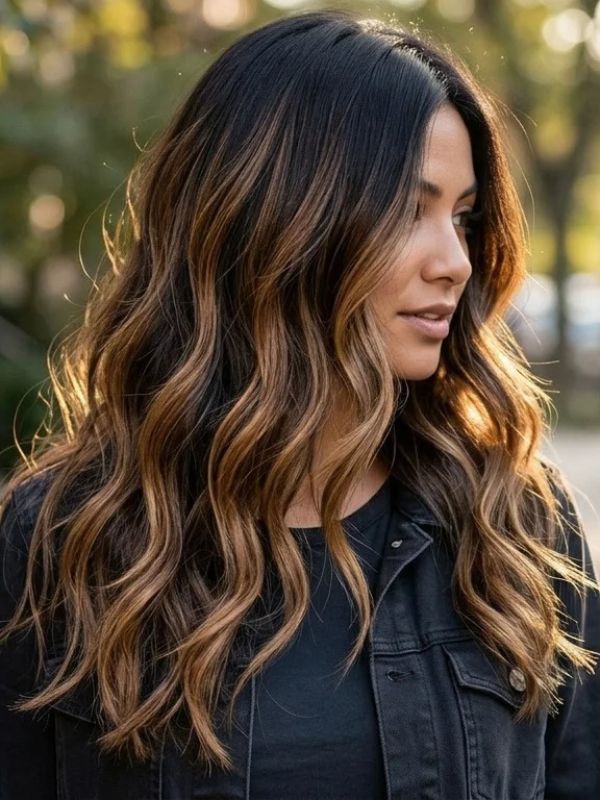
Black hair with caramel highlights creates contrast while preserving a dark base. The lighter sections can be concentrated around the face or blended through the mid-lengths and ends.
This combination can add visible dimension to long layers, curls, and shoulder-length cuts. A colorist can adjust the highlight placement and shade to create either a subtle result or a more pronounced contrast.
12. Beige Blonde Hair Color
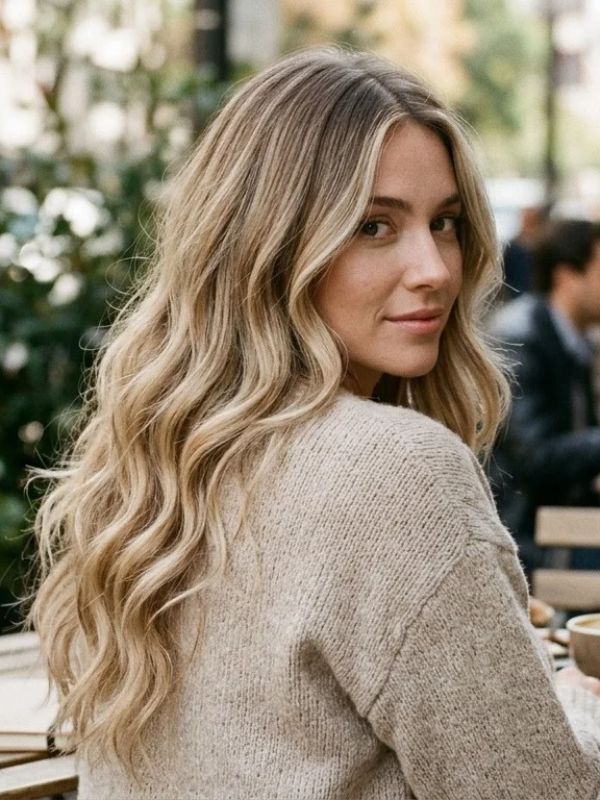
Beige blonde combines neutral blonde tones with a soft, balanced finish. It can be a useful option for women who prefer something between very warm golden blonde and cool platinum blonde.
The exact shade depends on your natural color and the lightening process. Beige blonde may require toning and regular color maintenance to preserve the desired balance of warm and cool tones.
13. Auburn Hair Color
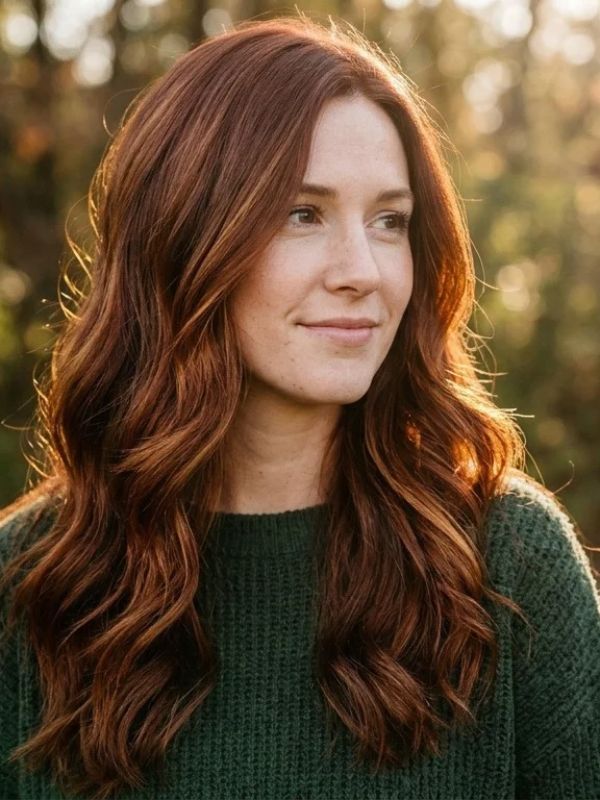
Auburn blends brown and red tones to create a warm, dimensional shade. It is generally more understated than vivid copper red while still offering a noticeable change from standard brown.
Auburn can be worn as an all-over color or combined with highlights. It is a versatile choice for women who want warmth without moving toward a very bright red shade.
14. Money Piece Highlights
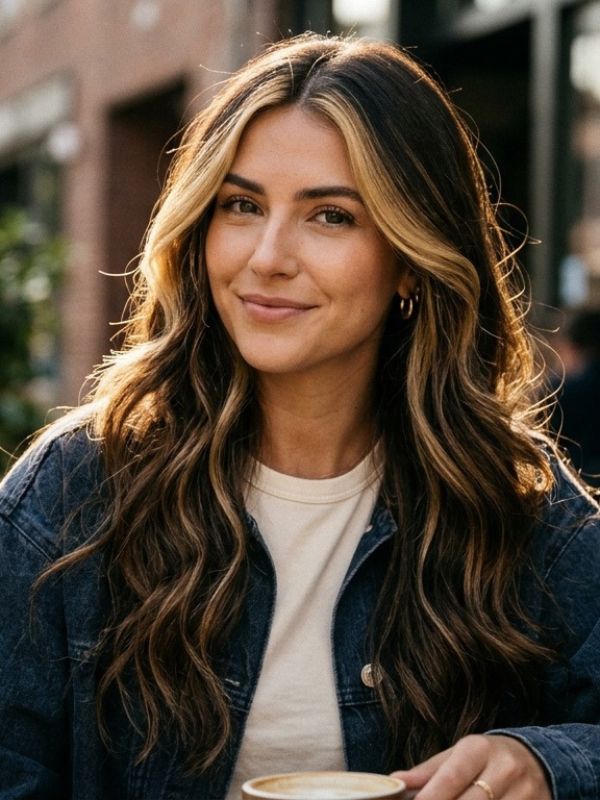
Money piece highlights are lighter sections placed around the front of the hair to frame the face. They can be subtle and blended or more contrasting, depending on the chosen color.
Popular combinations include brunette hair with caramel money pieces and brown hair with blonde front highlights. This technique can refresh an existing hairstyle without coloring every section of the hair.
15. Chocolate Brown with Honey Highlights
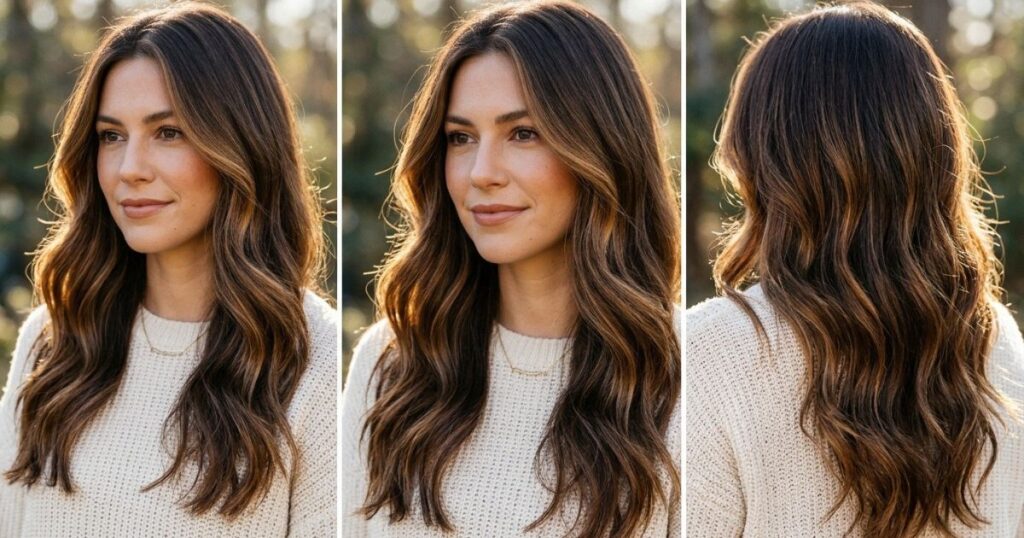
Chocolate brown with honey highlights combines a rich brunette base with lighter golden-brown sections. The contrast creates depth and movement, especially in layered or wavy hairstyles.
You can ask for finely blended highlights for a natural effect or more visible ribbons of honey color for a stronger result. This combination is a good option for women who want to add dimension without switching completely to blonde.
Hair Color Ideas Comparison Table
The table below compares popular shades and techniques to help you decide which option fits your preferences.
| Hair Color Idea | Overall Look | Color Maintenance |
| Chocolate Brown | Rich and natural-looking | Low to moderate |
| Honey Blonde | Warm and bright | Moderate to high |
| Caramel Highlights | Soft and dimensional | Low to moderate |
| Copper Red | Vibrant and warm | Moderate to high |
| Ash Brown | Cool and muted | Moderate |
| Balayage | Blended and graduated | Low to moderate |
| Burgundy | Deep and dramatic | Moderate to high |
| Golden Blonde | Bright and warm | Moderate to high |
| Mocha Brown | Soft and sophisticated | Low to moderate |
| Rose Gold | Playful and distinctive | High |
| Black with Caramel Highlights | High-contrast dimension | Moderate |
| Beige Blonde | Neutral and soft | Moderate to high |
| Auburn | Warm and rich | Moderate |
| Money Piece Highlights | Face-framing brightness | Moderate |
| Chocolate with Honey Highlights | Warm and dimensional | Low to moderate |
Maintenance varies according to your starting hair color, the coloring technique, how quickly your hair grows, and how often you wash it.
Hair Color Ideas by Hair Length
The same shade can look different depending on your haircut and length. Here are some combinations to consider.
| Hair Length | Hair Color Ideas |
| Short Hair | Copper red, ash brown, chocolate brown |
| Bob Haircut | Beige blonde, burgundy, rose gold |
| Shoulder-Length Hair | Honey blonde, caramel highlights, mocha brown |
| Long Hair | Balayage, golden blonde, chocolate with honey highlights |
| Layered Hair | Caramel highlights, money pieces, auburn |
| Curly Hair | Chocolate brown, copper, caramel highlights |
These are suggestions rather than strict rules. Most shades and techniques can be adapted to different lengths and textures.
How to Choose the Right Hair Color
Choosing a hair color involves more than following a trend. Consider your desired appearance, natural hair color, hair condition, and maintenance preferences.
Consider Your Natural Hair Color
Your current hair color affects the result you can achieve. Dark hair may need lightening to reach some blonde, beige, or pastel shades. Brown, auburn, and burgundy tones may be achievable with different levels of processing, depending on the starting color.
Think About Your Preferred Look
If you prefer a subtle change, consider chocolate brown, mocha brown, or soft caramel highlights. If you want a more noticeable transformation, copper red, rose gold, or lighter blonde shades may be worth exploring.
Choose a Suitable Coloring Technique
An all-over color creates a more uniform result. Highlights add contrast to selected sections, while balayage creates a blended transition. Money piece highlights concentrate lighter color around the front of the hairstyle.
Consider Maintenance
Some shades require regular root touch-ups or toning. Red, copper, and pastel shades can lose their vibrancy with washing, while balayage and blended highlights may allow for a softer regrowth line.
Check Your Hair’s Condition
If your hair is already dry, fragile, or heavily processed, speak with a professional colorist before lightening it further. A gradual color change may be more suitable than a dramatic transformation in one session.
Hair Color Maintenance Tips
Maintaining your chosen shade can help it look fresh for longer.
- Use color-safe products: Choose shampoo and conditioner designed for color-treated hair.
- Limit excessive heat: Apply heat protectant before blow-drying, straightening, or curling.
- Protect your hair from the sun: Extended sun exposure can affect some hair colors. Consider a hat or suitable hair-protection product when outdoors for long periods.
- Avoid overly frequent washing: Adjust your washing routine to your scalp and hair needs to help reduce unnecessary color fading.
- Follow professional advice: Ask your colorist when to schedule touch-ups or toning treatments.
- Condition regularly: Use conditioner or a suitable hair mask to help maintain softness and manageability.
If you have sensitive skin, follow the hair-color product’s safety instructions and patch-test guidance. Do not assume that a product is safe simply because it is labeled natural.
Common Hair Coloring Mistakes to Avoid
A successful hair-color result depends on choosing the right shade and using an appropriate coloring process.
One common mistake is choosing a color based only on a photo. Lighting, filters, hair texture, and the original base color can change how a shade looks. Bring reference pictures to your colorist and discuss what is realistically achievable with your current hair.
Another mistake is trying to lighten very dark hair too quickly. Major color changes may require multiple sessions to help manage damage. Applying additional chemicals to already fragile hair can make the condition worse, so professional advice is important.
Finally, avoid using too many styling products that leave heavy buildup. Choose products suited to your hair type and follow the manufacturer’s instructions for any color-care treatment.
Frequently Asked Questions
1. What Are the Best Hair Color Ideas for Women in 2026?
Popular options to explore include chocolate brown, caramel highlights, honey blonde, copper red, balayage, auburn, and beige blonde. The best choice depends on your preferred look, current hair color, and maintenance routine.
2. Which Hair Color Looks Natural?
Chocolate brown, mocha brown, auburn, and softly blended caramel highlights can create natural-looking results. A colorist can customize the shade to complement your natural base and avoid an overly strong contrast if that is your preference.
3. What Is the Difference Between Highlights and Balayage?
Highlights add lighter sections to the hair, often using a more defined placement pattern. Balayage is a technique in which color is painted onto selected sections to create a blended, graduated effect.
4. Which Hair Colors Need More Maintenance?
Copper, red, pastel, and some blonde shades may require more frequent care to preserve their desired appearance. Root regrowth, toning needs, washing frequency, and the coloring technique all influence maintenance.
5. Can I Color My Hair at Home?
Some all-over colors can be applied at home by following the product instructions carefully. Major lightening, color correction, and complex techniques such as balayage are generally better handled by a trained professional.
Conclusion
The best hair color ideas are the ones that match your personal style, natural hair color, and preferred maintenance routine. Whether you love chocolate brown, caramel highlights, copper red, honey blonde, or a blended balayage, there are many ways to refresh your hairstyle.
Before making a major change, consider your hair’s current condition and speak with a professional colorist about the result you want. Save a few reference photos, discuss the maintenance involved, and choose a shade that you will enjoy wearing beyond a short-lived trend.
With the right color and proper care, you can create a beautiful, personalized hairstyle that feels fresh and suits your everyday routine.