
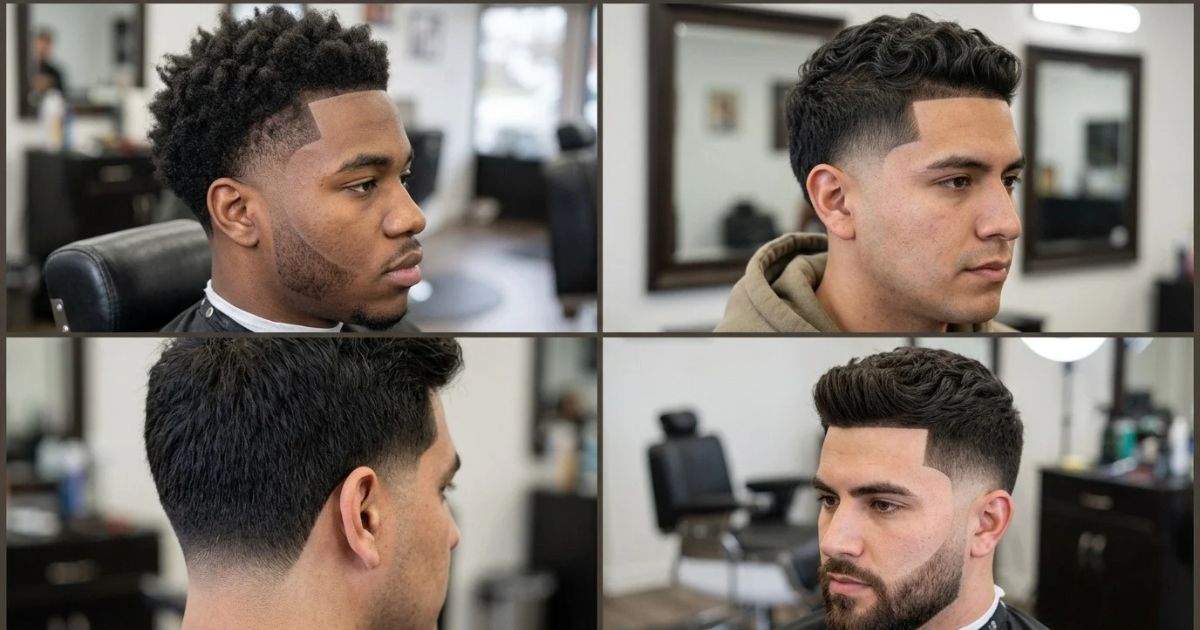
The high taper haircut is a popular choice for men who want a clean, modern, and stylish appearance. It features gradually shorter hair around the temples and neckline while keeping more length on the top. This combination creates a neat finish and allows men to experiment with different hairstyles, including textured fringes, curly tops, crew cuts, and modern quiffs.
One of the best things about a high taper is its versatility. It can look sharp with short hair, relaxed with natural waves, or bold when paired with a textured top. Whether you prefer a classic barber-style haircut or a contemporary look, a high taper can be customized to match your personal preferences.
In this guide, you will discover 15 popular high taper haircut ideas, compare different styles, learn how to choose a suitable haircut, and find practical tips for maintaining your look.
What Is a High Taper Haircut?
A high taper haircut gradually shortens the hair around the temples and neckline, creating a clean transition from shorter hair to longer hair. Unlike a low taper, which begins closer to the ears and lower neckline, a high taper creates a more noticeable change higher around the temples.
The top usually remains longer, giving you room to choose a hairstyle that suits your hair texture and preferred appearance. You can combine a high taper with straight hair, natural curls, waves, a side part, or a textured fringe.
A high taper is different from a high fade. A high taper focuses primarily on the temple and neckline areas, while a high fade generally removes more hair across the sides and creates a broader fading effect. Your barber can adjust the transition depending on how subtle or defined you want the haircut to look.
Learn more:Hair Style for Men 2026: 12 Trendy Haircuts and Modern Hairstyles
15 Best High Taper Haircut Styles for Men
1. Classic High Taper Haircut
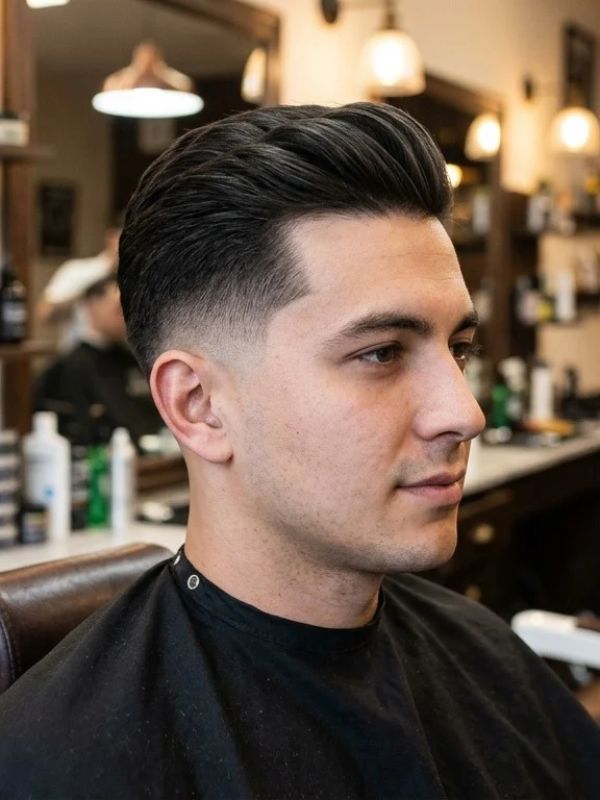
The classic high taper is a clean and timeless option that keeps the sides and neckline neatly tapered while leaving the top at a manageable length. The top can be combed to the side, brushed forward, or styled naturally.
This haircut works well for men who want a balanced appearance without committing to an extremely short style. It can be adapted for different hair textures and is suitable for casual wear, school, work, and formal occasions.
2. High Taper Fade
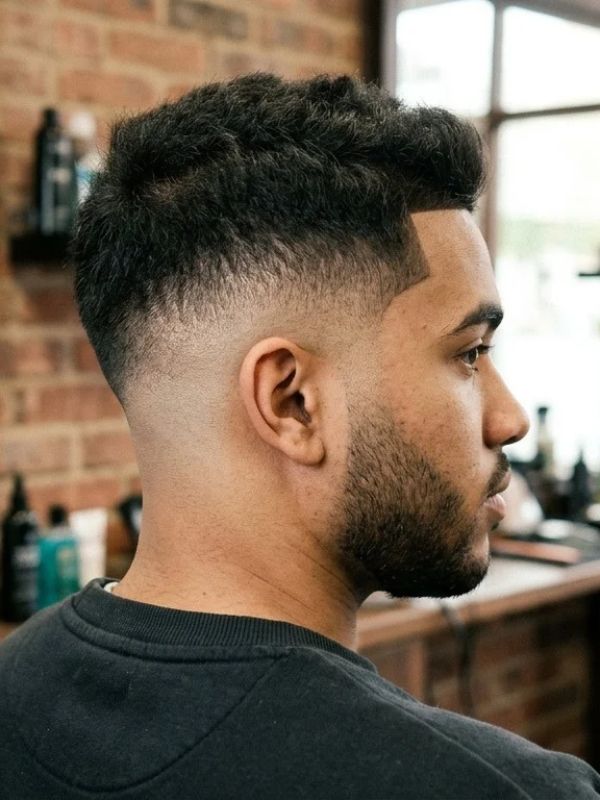
The high taper fade combines a high temple taper with a smooth, blended transition. It creates a sharper appearance around the temples while preserving flexibility on top.
This style can be paired with a short crop, textured top, or longer brushed-up hairstyle. Ask your barber to clarify whether you want a traditional high taper or a higher fade, because the two techniques create different shapes.
3. High Taper with Textured Fringe
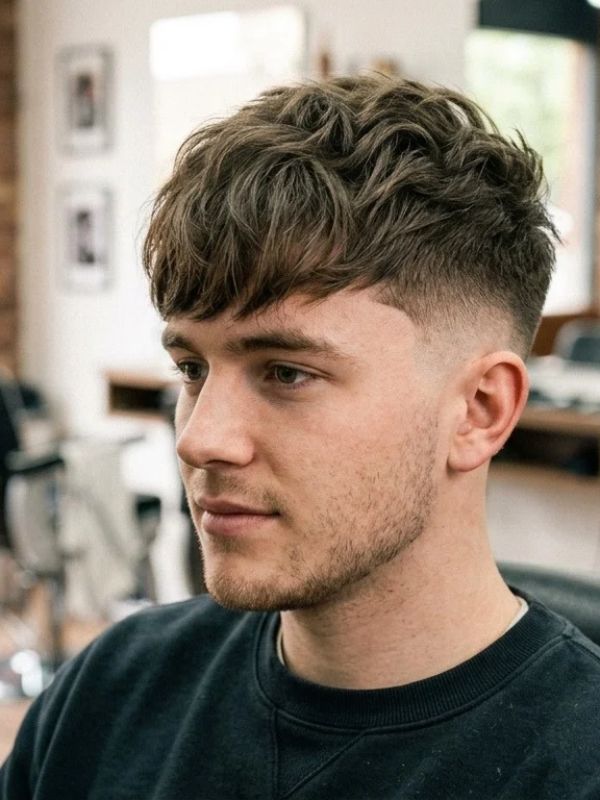
A textured fringe features layered hair at the front that falls naturally toward the forehead. Combining it with a high taper creates contrast between the textured top and the neatly shaped sides.
This haircut works particularly well with straight or wavy hair, although the fringe can be adapted for curls. A lightweight matte styling product can help define the layers while keeping the finish natural.
4. High Taper with Curly Top
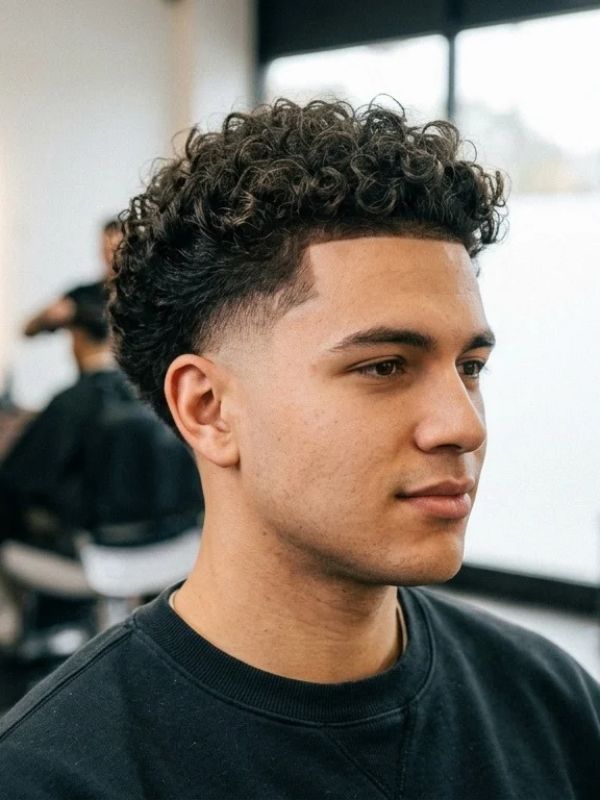
The curly top with a high taper allows natural curls to remain longer on top while the temples and neckline are gradually shortened. This keeps the curls as the main feature of the haircut.
The length on top can be adjusted according to curl pattern, density, and personal preference. A suitable curl cream or leave-in conditioner may help with definition and manageability.
5. High Taper Crew Cut
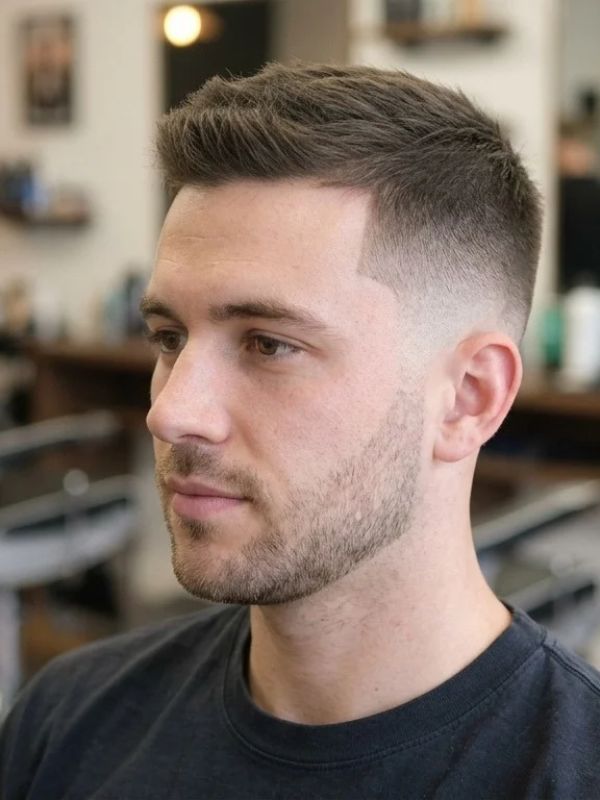
A crew cut with a high taper combines a short, practical top with clean sides and a tidy neckline. It is an excellent option for men who prefer simple grooming and a structured appearance.
The top can be kept evenly short or slightly longer toward the front. This gives you a little styling flexibility without requiring a lengthy daily routine.
6. High Taper with Textured Crop
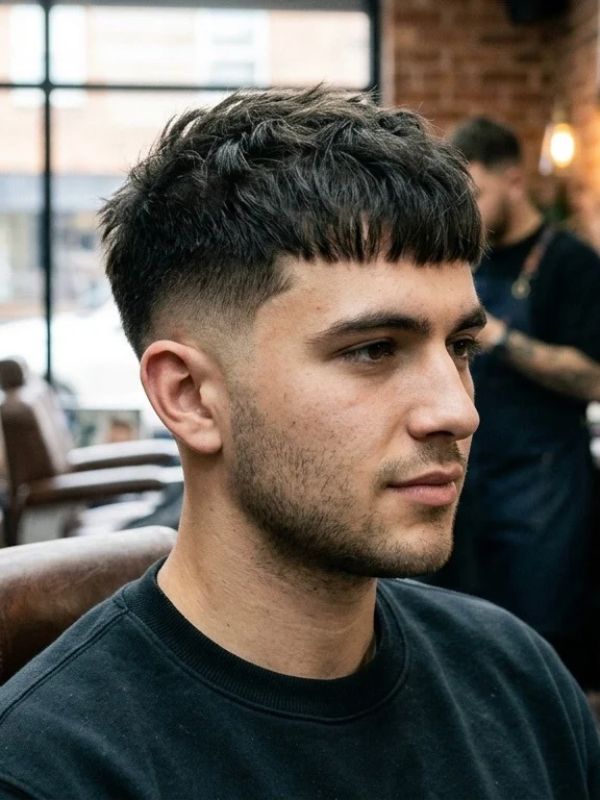
The textured crop features a short top with choppy layers that create movement. When combined with a high taper, it produces a modern haircut with a clear contrast between the top and sides.
This style can be worn with a small fringe or a more irregular textured finish. A small amount of matte product can help separate the layers without making the hair look overly shiny.
7. High Taper Quiff
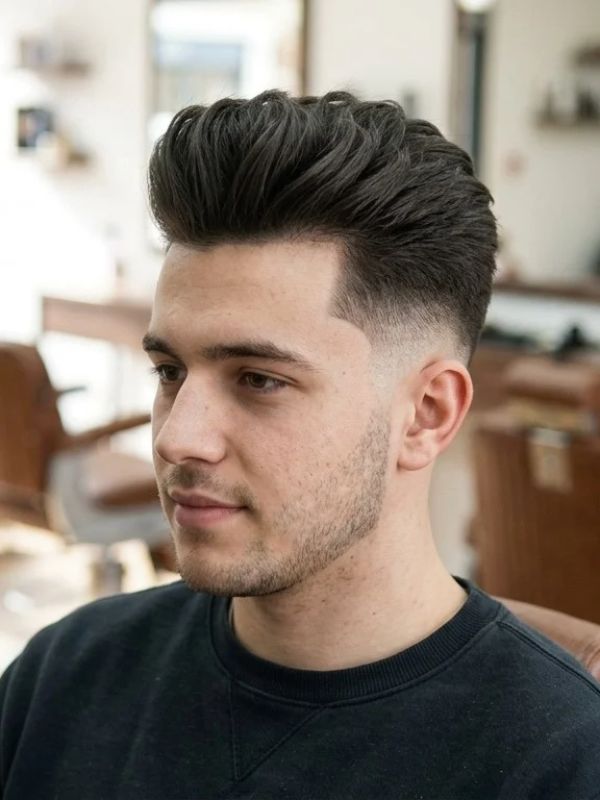
The quiff keeps the front section longer so it can be lifted and directed upward or backward. A high taper makes the sides look cleaner while allowing the top to create volume.
This haircut is suitable for men who enjoy a more styled appearance. A blow-dryer and a lightweight styling product may help create the desired lift and hold.
8. High Taper with Middle Part

A middle part divides the top near the center and allows the hair to fall toward both sides. Pairing it with a high taper creates a modern contrast between the longer top and shorter temples.
This combination is often seen with medium-length straight or wavy hair. The best result depends on having enough length on top to form the part naturally.
9. High Taper with Side Part
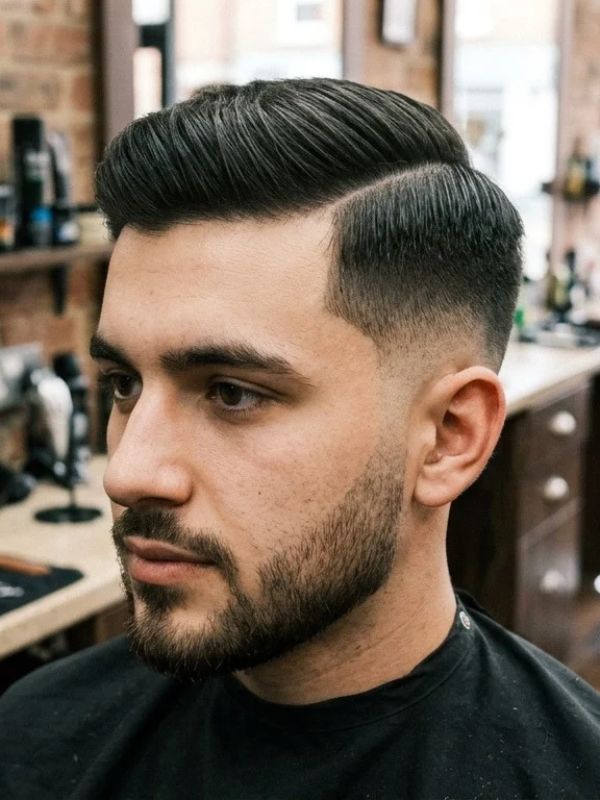
The side part is a classic men’s hairstyle that directs the hair toward one side. Adding a high taper gives it a more contemporary appearance while preserving its neat shape.
It can be worn with a short, controlled top or with slightly longer hair for additional styling options. Use a comb and a small amount of suitable product for a more polished finish.
10. High Taper with Fluffy Hair
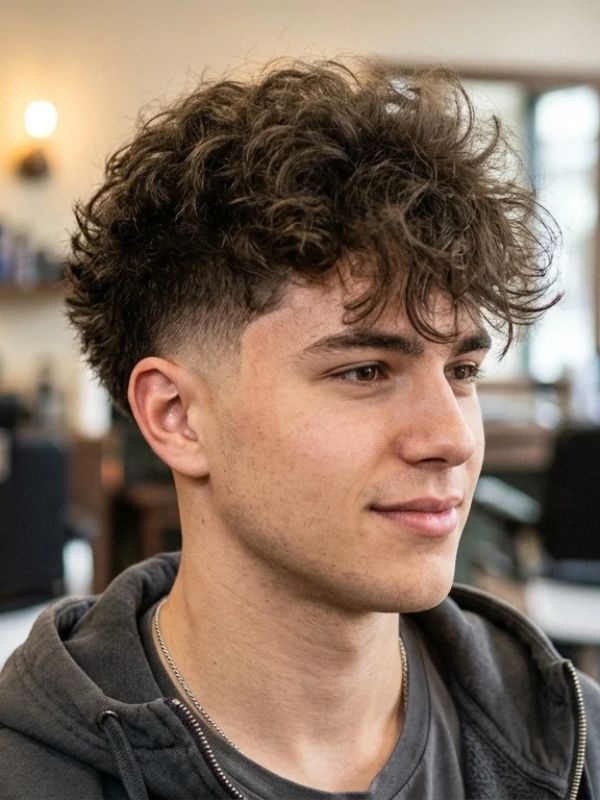
The fluffy hairstyle features soft volume and natural movement on top. When paired with a high taper, it creates a modern look with fuller hair above the temples and a cleaner outline around the sides.
This style is particularly suitable for men who enjoy a relaxed finish. A blow-dryer and lightweight styling product can help add volume without weighing the hair down.
11. High Taper with Buzz Cut
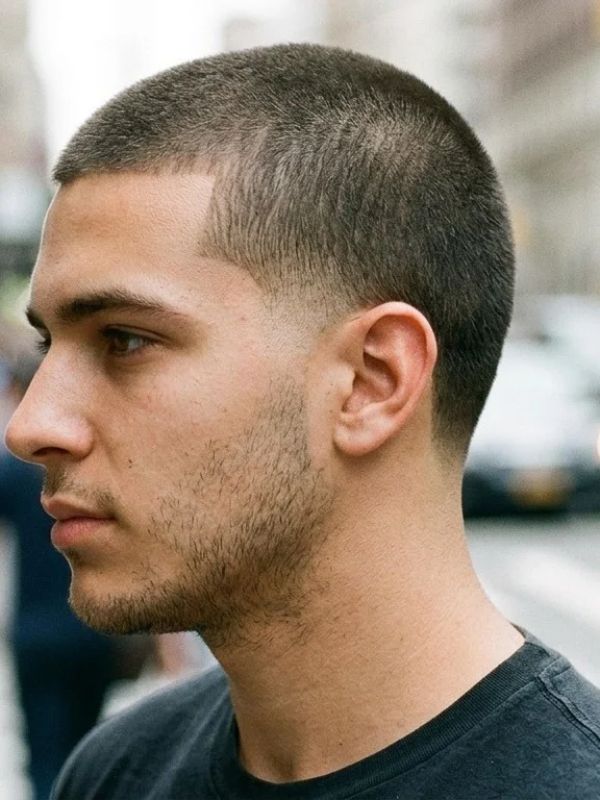
The buzz cut keeps the hair very short and relatively even across the head, while a high taper adds a more defined shape around the temples and neckline.
It is a practical choice for men who want minimal daily styling. You can ask your barber for different clipper lengths on top to create a subtle difference between the main haircut and the tapered areas.
12. High Taper with French Crop
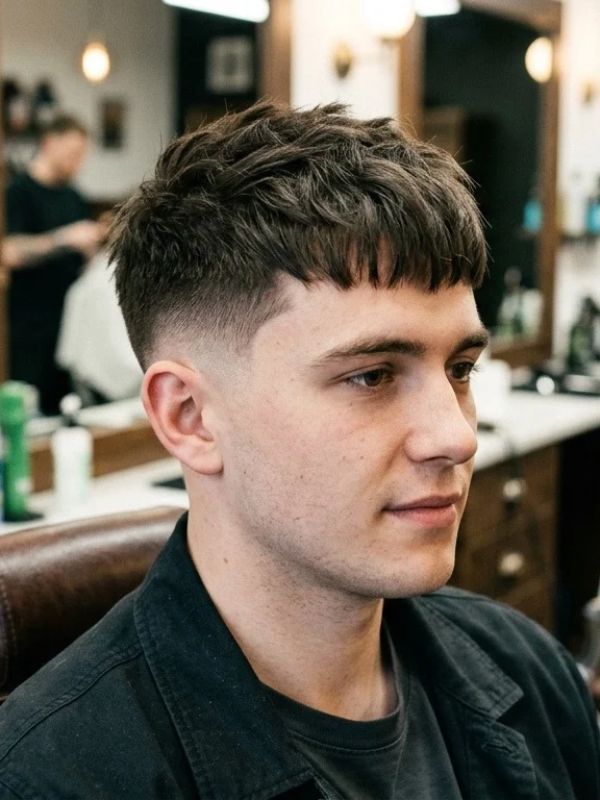
The French crop combines a short textured top with a forward fringe. Adding a high taper makes the sides appear sharper and creates a clean outline around the temples.
This style can work well for men who prefer a compact haircut with some texture. The fringe can be cut straight across or softened to suit your preferred finish.
13. High Taper with Spiky Hair
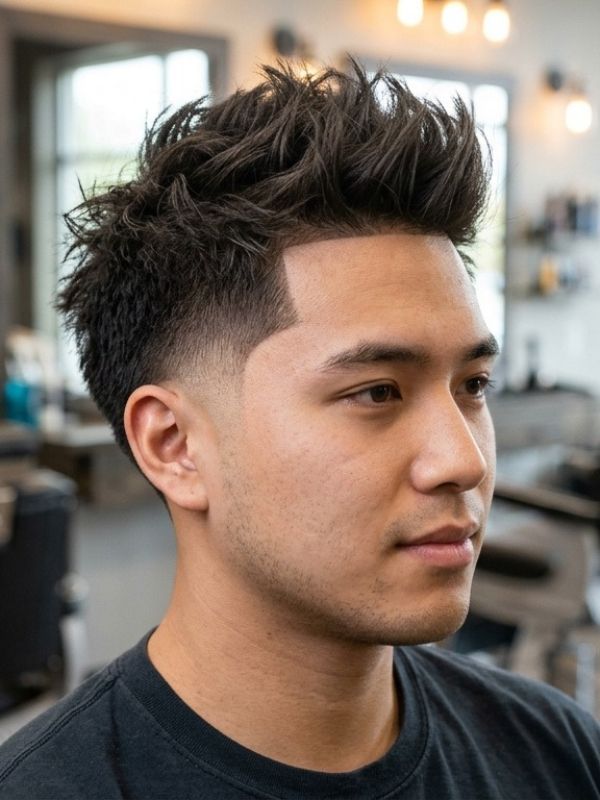
Spiky hair features short sections styled upward or in different directions. The high taper gives the sides a neat shape while allowing the top to stand out.
This haircut can be subtle or more defined depending on the length of the top and the styling product used. Start with a small amount of product to create separation without making the hair stiff.
14. High Taper with Wavy Hair
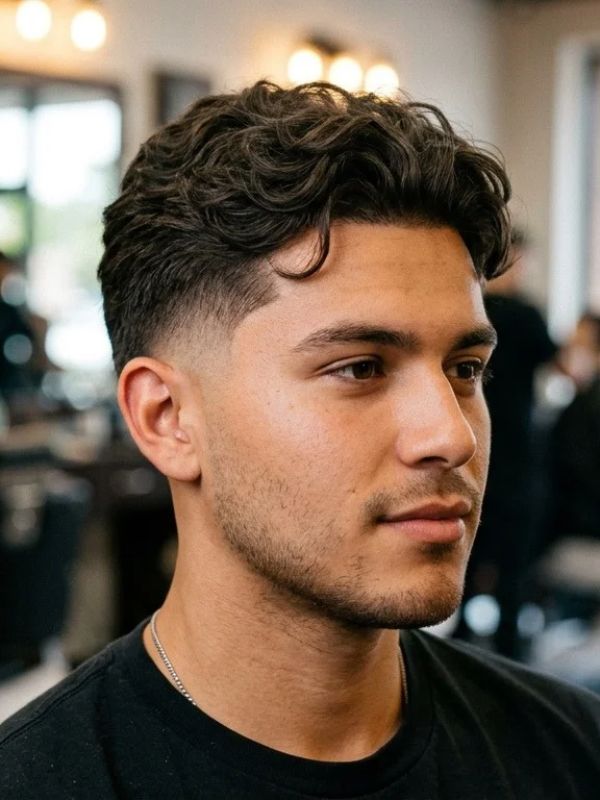
Men with naturally wavy hair can combine a high taper with a medium-length or short wavy top. The waves add movement, while the taper keeps the temple and neckline areas tidy.
A lightweight styling cream can help control frizz while preserving the natural wave pattern. Ask your barber to leave enough length on top to maintain the texture you prefer.
15. High Taper with Comb Over
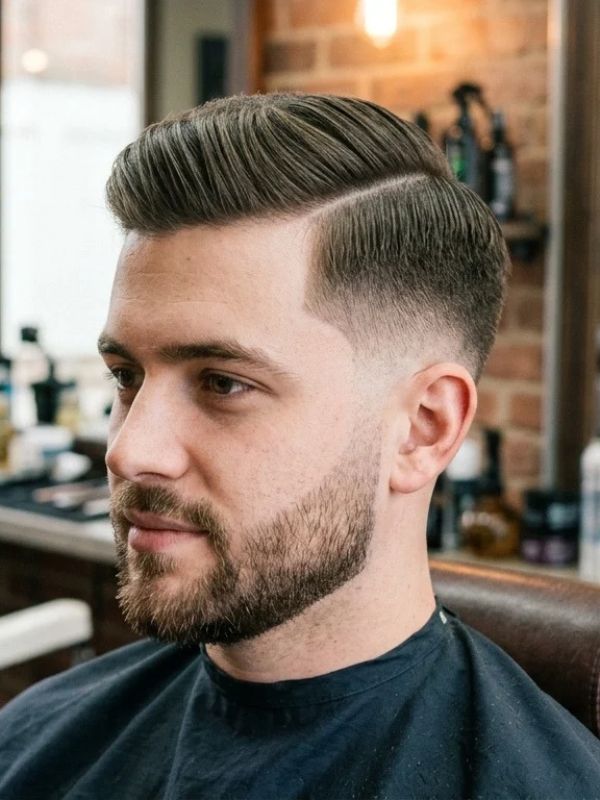
The comb over directs the top toward one side, creating a controlled and versatile finish. A high taper provides a cleaner outline around the temples and makes the overall haircut look more structured.
This style can be worn neatly for formal occasions or with a more relaxed texture for everyday use. The length on top determines how pronounced the parting and sweeping motion will be.
High Taper Haircut Comparison Table
The following table compares popular high taper combinations to help you choose a style that matches your preferences.
| High Taper Style | Top Length | Styling Effort | Overall Appearance |
| Classic High Taper | Short to medium | Low | Clean and timeless |
| High Taper Fade | Short to medium | Low to moderate | Sharp and modern |
| Textured Fringe | Short to medium | Moderate | Relaxed and textured |
| Curly Top | Medium or curly | Moderate | Natural and defined |
| Crew Cut | Short | Low | Simple and practical |
| Textured Crop | Short | Low to moderate | Modern and structured |
| Quiff | Medium | Moderate | Voluminous and polished |
| Middle Part | Medium to long | Moderate | Balanced and contemporary |
| Side Part | Short to medium | Low to moderate | Classic and neat |
| Fluffy Hair | Medium | Moderate | Soft and voluminous |
| Buzz Cut | Very short | Very low | Minimal and sharp |
| French Crop | Short | Low | Compact and textured |
| Spiky Hair | Short to medium | Low to moderate | Defined and energetic |
| Wavy Hair | Short to medium | Moderate | Natural and relaxed |
| Comb Over | Short to medium | Moderate | Refined and versatile |
Styling effort is approximate and depends on natural hair texture, haircut details, and the finish you prefer.
Best High Taper Haircuts for Different Hair Types
A high taper can be adapted to many hair textures. The key is to choose a top style that works with the way your hair naturally grows.
| Hair Type | High Taper Styles to Try | Styling Advice |
| Straight Hair | Side part, comb over, textured fringe | Use lightweight products to avoid flattening the top |
| Wavy Hair | Fluffy top, wavy fringe, textured crop | Work with your natural waves |
| Curly Hair | Curly top, short curly crop | Use curl-friendly conditioning products |
| Thick Hair | Quiff, textured crop, crew cut | Ask your barber about suitable layering |
| Fine Hair | Crew cut, short textured top | Avoid heavy products that weigh hair down |
| Coily Hair | Short shaped top, natural curls with taper | Use gentle grooming techniques and suitable moisturizing products |
These suggestions are general starting points. A barber familiar with your hair texture can adjust the top length and taper shape to suit your needs.
High Taper vs Low Taper vs Mid Taper
Although these haircuts use a similar tapering technique, the main difference is where the transition begins.
| Feature | High Taper | Mid Taper | Low Taper |
| Taper Placement | Higher around the temples | Around the middle of the sides | Closer to the ears and neckline |
| Visual Effect | More noticeable around the temples | Balanced and moderate | Subtle and understated |
| Top Styling | Works with short or longer tops | Works with many hair lengths | Often suits classic or softer styles |
| Overall Look | Defined and modern | Versatile | Conservative and clean |
| Barber Instructions | Request a high temple taper | Request a mid-level taper | Request a low taper around the edges |
Which one should you choose?
Choose a high taper if you prefer a more defined outline around the temples. A mid taper offers a balanced transition, while a low taper keeps the change closer to the ears and neckline.
Remember that a high taper is not identical to a high fade. If you want a traditional taper rather than a broader fade, explain that distinction to your barber.
How to Ask Your Barber for a High Taper
Explaining your preferred haircut clearly can help you get a result closer to your reference photo.
- Show a reference photo: Bring a picture that demonstrates the temple area, neckline, and top length.
- Explain the taper height: Tell your barber that you want the taper placed high around the temples.
- Choose the top length: Decide whether you prefer a crew cut, textured fringe, curls, quiff, or another top style.
- Discuss the transition: Explain whether you want a subtle taper or a more defined contrast.
- Mention your styling routine: Let your barber know if you prefer low-maintenance hair or enjoy styling it daily.
You can say: “I would like a high taper around the temples and neckline, with the top left long enough for my preferred style.”
If you want a high fade instead, make that clear because the sides may be cut differently.
How to Maintain a High Taper Haircut
A high taper can remain neat with a few simple grooming habits.
Get Regular Trims
The temple area and neckline can lose their shape as the hair grows. Schedule a trim when the taper begins to look less defined. The exact timing depends on your haircut and how quickly your hair grows.
Use Suitable Styling Products
Choose a product based on your desired finish. Matte products can help create texture, while lightweight creams may be useful for natural movement. Start with a small amount and add more only if needed.
Take Care of Your Hair
Use shampoo and conditioner suited to your scalp and hair texture. Avoid rough towel rubbing, and be gentle when detangling wet hair.
Style According to Your Hair Type
Straight hair may respond well to a comb or blow-dryer, while curly hair may benefit from curl-friendly products. Work with your natural texture instead of forcing the hair into a shape that is difficult to maintain.
Avoid Excessive Heat
If you use a blow-dryer or hot styling tools, follow the product instructions and consider a suitable heat protectant. Excessive heat can contribute to dryness and damage.
Common High Taper Haircut Mistakes to Avoid
Confusing a Taper with a Fade
A taper mainly changes the hair around the temples and neckline. A fade generally extends the gradual shortening over a larger area of the sides. Show your barber a reference photo to avoid confusion.
Choosing the Wrong Top Length
The top determines how the haircut can be styled. Tell your barber whether you want a short crew cut, textured fringe, curly top, or longer quiff.
Removing Too Much Length
If you want to style the top in different ways, cutting it too short may limit your options. Explain your preferred styling possibilities before the cut begins.
Ignoring Natural Hair Growth
Hair grows in different directions, especially around the crown and temples. A skilled barber can take these growth patterns into account when shaping the haircut.
Using Too Much Product
Heavy styling products can make the hair look greasy or stiff. Start with a small amount and choose a product that suits your hair type.
Frequently Asked Questions About High Taper Haircuts
1. What is a high taper haircut?
A high taper haircut gradually shortens the hair around the temples and neckline, creating a defined outline while leaving more length on top. It can be paired with many hairstyles, including textured crops, curls, crew cuts, and quiffs.
2. Is a high taper the same as a high fade?
No. A high taper mainly focuses on the temples and neckline, while a high fade generally creates a broader fading effect across the sides. The exact result depends on the barber’s technique and your instructions.
3. Is a high taper good for curly hair?
Yes. A high taper can be paired with natural curls on top. The barber can adjust the top length and taper to suit your curl pattern, density, and preferred style.
4. How often should I maintain a high taper?
Trim frequency depends on how quickly your hair grows and how sharp you want the taper to look. If you prefer a clearly defined outline, you may need barber visits more often than someone who prefers a softer finish.
5. Can I get a high taper with short hair?
Yes. A high taper can be combined with a buzz cut, crew cut, French crop, or short textured top. The amount of hair left on top determines the final appearance.
6. Does a high taper work with a middle part?
Yes. A high taper can create contrast around the temples while leaving enough length on top for a middle part. Medium-length straight or wavy hair can offer several styling options.
7. What should I tell my barber for a high taper?
Ask for a high taper around the temples and neckline, then explain your preferred top length and finish. A reference photo can help your barber understand the exact shape you want.
8. Which high taper hairstyle is easiest to maintain?
A high taper with a crew cut or buzz cut usually requires little daily styling. However, keeping the taper sharply defined may still require regular trims.
Conclusion
The high taper haircut is a versatile choice for men who want a modern, clean, and adaptable hairstyle. It can be combined with a crew cut, textured fringe, curly top, quiff, middle part, or comb over to create different appearances.
Before choosing your next haircut, consider your natural hair texture, preferred top length, and daily styling routine. Bring reference photos to your barber and explain how high you want the taper to begin. With the right haircut and simple maintenance, you can enjoy a style that fits your preferences and everyday life.