


A low taper fade with textured fringe is one of the sharpest cuts out there right now. It keeps the sides clean and low. It leaves the top long enough to style forward. This guide covers everything you need. Low Taper Fade Fringe: 20 Best Styles, Tips & Barber Guide walks you through the best looks for every hair type. It shows you what to ask your barber. It breaks down the right length for your face shape.
This isn’t just another trend piece. Low Taper Fade Fringe: 20 Best Styles, Tips & Barber Guide gives you real tips you can use today. You’ll find styling tricks, product picks, and upkeep advice. Whether you have straight hair or curls, this cut works. Let’s get into it.
What Is A Low Taper Fade Fringe

A low taper fade fringe blends short hair near the ears and neckline into longer hair on top. The fade stays low, so it looks soft. The top hair grows long enough to fall forward. That’s what creates the fringe.
This cut works because it doesn’t force short hair everywhere. You keep length up top. You get a clean edge down low. It suits most hair types and most face shapes, which is why barbers recommend it so often.
What It Looks Like From The Front, Side, And Back

From the front, you’ll notice the fringe first. It usually sits near the brow with some texture running through it. From the side, the taper fades smoothly from short to long. There’s no harsh line or shelf.
From the back, the neckline stays tidy and rounded. It doesn’t end in a sharp, boxy shape. Bring photos from all three angles to your barber. One picture rarely tells the whole story.
How It Compares To Similar Cuts

A few haircuts look similar at first glance, but small details set them apart. The low taper sits lower than a mid taper. A French crop uses a shorter, straighter fringe. An Edgar goes for a blunt, boxy front instead.
Here’s a quick breakdown to help you tell them apart:
| Cut | Sides | Front |
| Low Taper Fade Fringe | Soft, low blend | Long, textured fringe |
| French Crop | Tighter fade | Short, straight fringe |
| Edgar | Crisp, boxy fade | Blunt, straight edge |
| Blowout Taper | Stronger taper | Volume pushed upward |
Who Does It Suit

This cut fits almost anyone. Teens like it for school. Adults like it for the office. It doesn’t scream “trendy,” so it ages well and holds up in professional settings too.
Fine hair can lose shape by the end of the day. Strong cowlicks might push against the forward style. Neither one rules this cut out. Just ask for a shorter, lighter fringe if that sounds like you.
Best Fringe For Your Face Shape
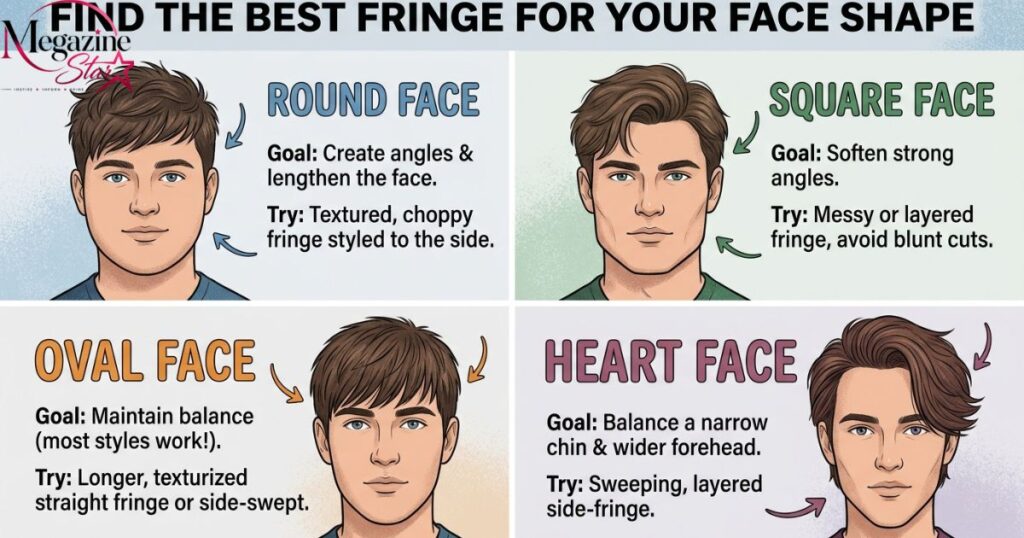
Your face shape can guide fringe length and weight, though it’s not a strict rulebook. Oval faces suit nearly anything. Round faces do well with added height. Square faces look better with a textured, uneven edge instead of a straight one.
Heart-shaped faces benefit from a lighter, side-swept fringe. Diamond faces need width and movement to soften the cheekbones. Long or rectangular faces look balanced with a fuller fringe up front and tighter sides.
20 Best Low Taper Fade Fringe Styles

There’s no single “right” version of this haircut. Your hair type changes everything. A style that looks great on curly hair might fall flat on fine, straight strands. That’s why it helps to browse a range of options first.
How Long Should Your Hair Be

Length depends on the look you want. A short, easy fringe needs about 1.5 to 2 inches on top. A textured fringe needs a bit more, around 2 to 3 inches, so your barber has enough to work with.
Want a bigger, fuller fringe? Go with 3 to 4 inches, plus daily blow-drying. Curly and coily hair need extra length too, since curls shrink up once they dry.
read more:Low Taper Fade: The Complete 2026 Haircut & Style Guide 2026
In The Barber’s Chair What To Ask For And What To Expect

Bring reference photos from the front, side, and back. Ask for the taper to stay low, near your sideburns and neckline, not up near your temples. Then describe your fringe: short, messy, long, or textured.
Your barber will check your density and growth pattern first. They’ll build the fade upward, then shape and texture the fringe last. Clear words and real photos matter more than guard numbers ever will.
How To Style It At Home

Start with damp, towel-dried hair. Add a light pre-styler or heat protectant first. Push the fringe forward with your fingers while it’s still wet. Straight or wavy hair does well with a round brush for extra lift.
Once your hair dries, add a small bit of texture powder or matte clay. Start light. You can always add more later. Too much product weighs curls down and kills the movement that makes this cut work.
Best Products
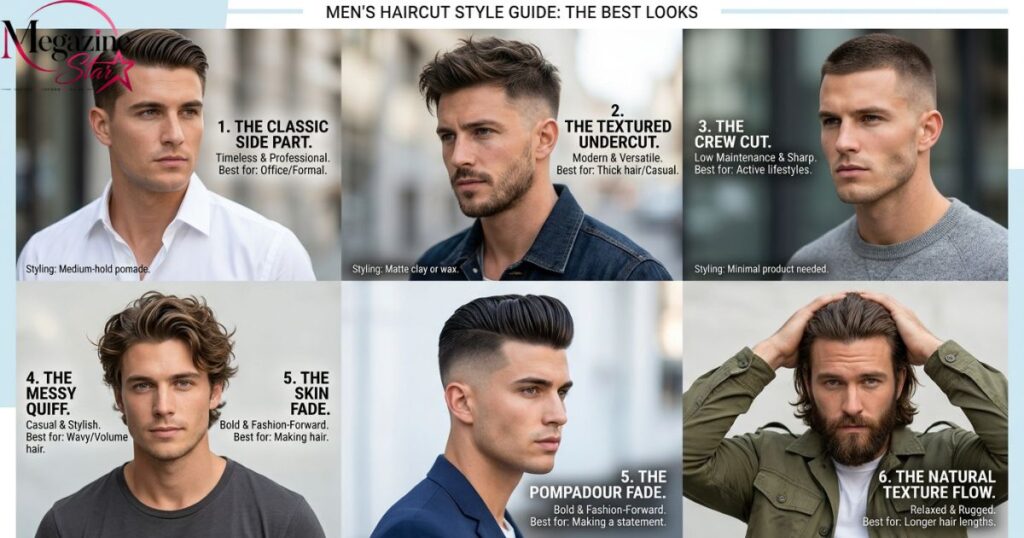
Picking the right product depends on your hair type. Heavy waxes and gels tend to weigh fine hair down. Lighter formulas keep everything looking natural and give you room to restyle throughout the day.
Try sea salt spray for grip on wavy hair. Use texture powder for lift on fine hair. Matte clay works well for messy styles. Curl cream tames frizz on curly or coily fringes.
Maintenance And Upkeep
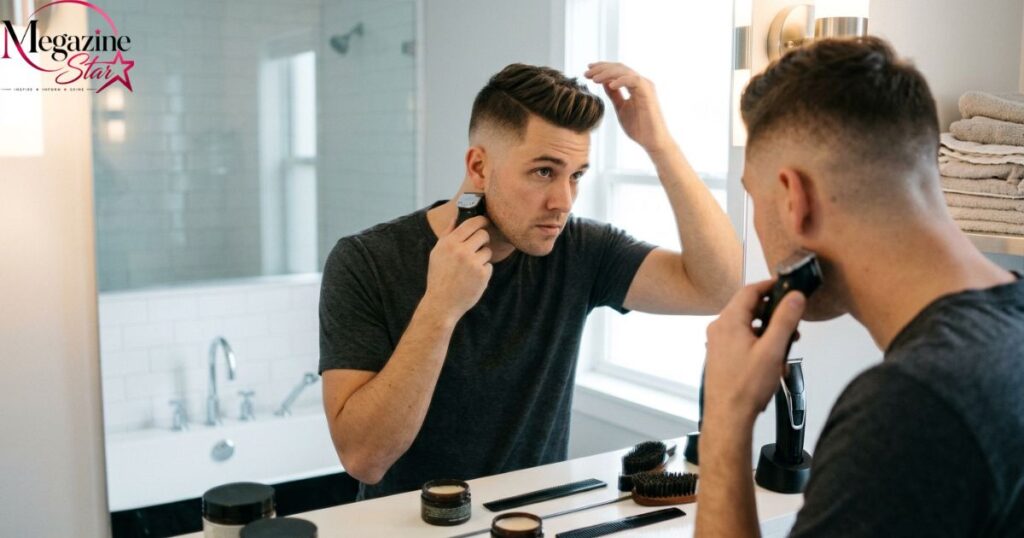
A soft, low taper holds its shape for 3 to 5 weeks. That’s longer than sharper, high-contrast fades. A skin-level taper grows out faster, so you’ll need more frequent trims to keep it looking sharp.
Usually, the fringe grows out before the sides do. Trim it once it hits your eyes. Don’t try to fix the fade yourself between visits. It’s easy to mess up and hard to fix.
Common Mistakes To Avoid
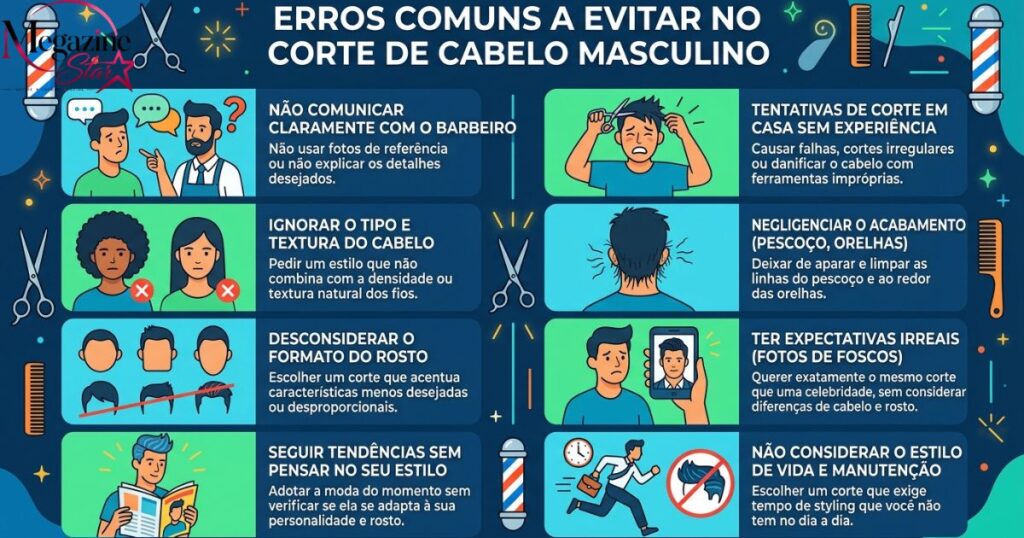
Letting the fade creep up toward your temples changes the whole look. It loses that soft, low-contrast feel this cut is known for. Cutting the fringe too short is another common slip-up, and it takes weeks to grow back out.
Over-thinning fine hair makes it look sparse and thin. Using too much product makes even a great cut look greasy. And ignoring a cowlick almost always leads to a fight with your hair every morning.
Pros And Cons

What Works
This cut adapts well to straight, wavy, curly, and coily hair. It uses a gentler blend than higher fades do. You get plenty of fringe styles to pick from, and it works just as well in casual settings as it does at the office.
The neckline stays neat between cuts too, which saves you a trip to the barber. It’s a flexible style that grows out without looking messy right away. Few haircuts offer that kind of built-in patience.
What To Consider

Some versions need daily blow-drying to look their best. That’s extra time each morning you’ll want to plan for. The front often needs trimming before the sides do, so don’t expect one uniform growth schedule.
At longer lengths, this cut still needs some daily styling. It’s not a wash-and-go haircut. And weak blending shows up fast as the fade grows out, so pick a skilled barber from the start.
How Much Does It Cost
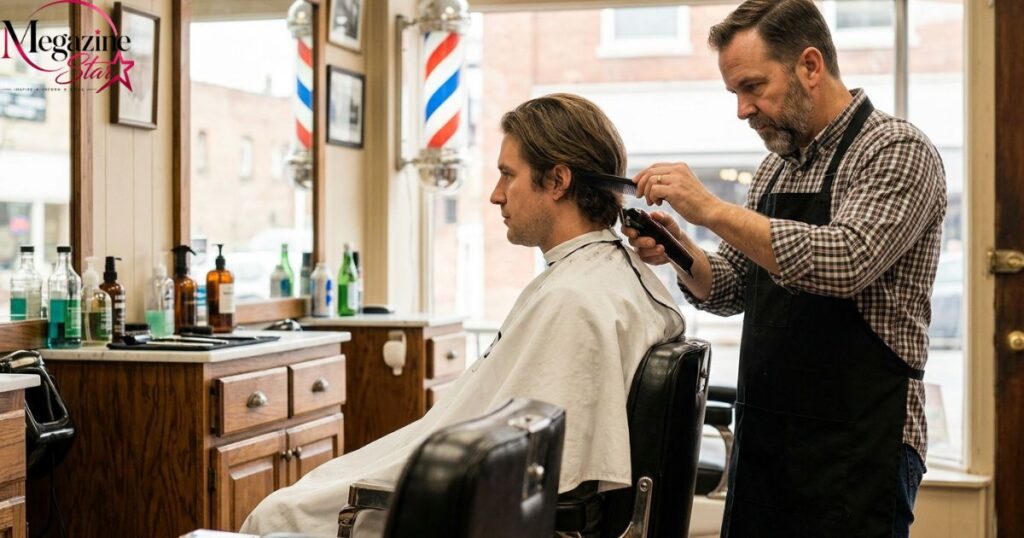
Prices shift depending on your city, your barber’s experience, and the shop itself. Longer hair, added styling, or a skin-level taper can all push the price higher. It usually costs more than a basic buzz cut.
Check your barber’s past work before booking. Ask about pricing upfront. Find out if wash and style come included. Good scissor work matters far more than a fancy shop name ever will.
FAQ’S
Is a low taper fade with textured fringe high maintenance?
Not really. The sides stay neat for weeks. Your fringe needs occasional trims and light styling, but it’s far easier than a daily-blowout haircut.
Can I get this cut with curly hair?
Absolutely. Curly hair adds natural texture to the fringe. Just leave extra length on top, since curls shrink up once they’re dry and styled.
How often should I get it trimmed?
Plan on visiting your barber every three to five weeks. Trim the fringe sooner if it starts falling into your eyes or losing shape.
What’s the difference between this and a French crop?
A French crop uses a shorter, straighter fringe with a tighter fade. This cut keeps things softer, longer on top, and more relaxed overall.
Will this style work for a professional office job?
Yes, definitely. The low blend looks clean and subtle, not flashy. Keep the fringe shorter and lightly styled for an easy, workplace-appropriate finish.
Conclusion
A low taper fade with textured fringe is one of the easiest cuts to love. It works for almost any hair type. It suits almost any face shape. This guide gave you everything you need to try it. From styling tips to product picks, a low taper fade with textured fringe fits into any routine without much fuss.
Talk to your barber. Show them the photos. Ask for a low taper fade with textured fringe, and describe the length you want. Keep up with trims. Use light products. This cut rewards a little care with a sharp look that lasts for weeks.