

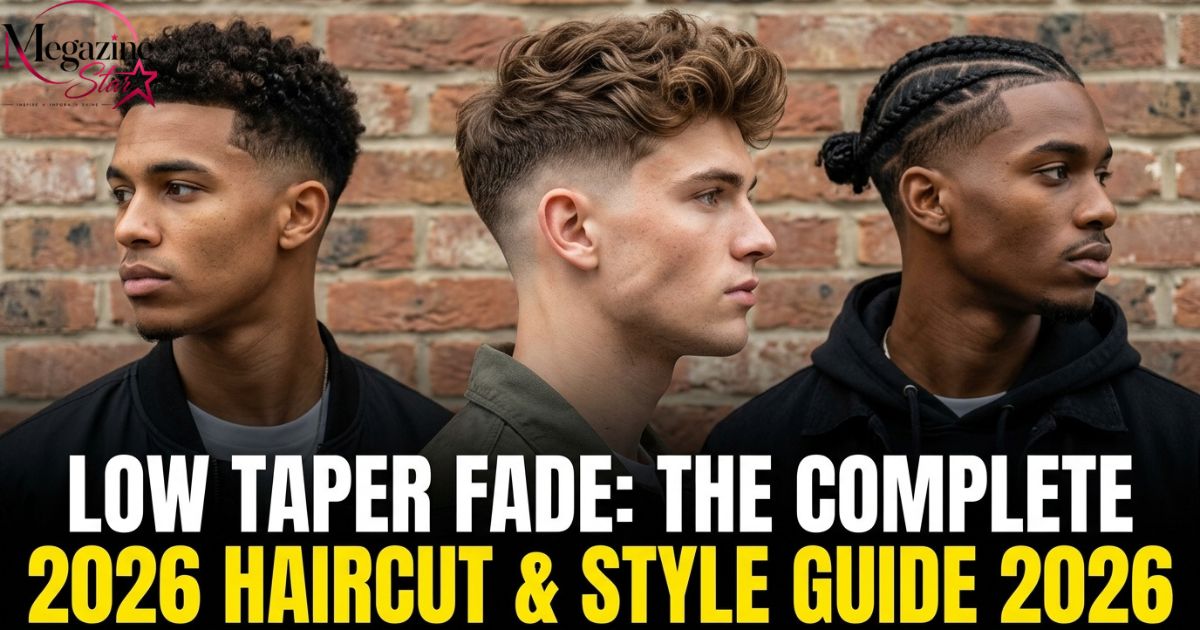
A low taper fade keeps things simple. Clean sides, low blend, and a natural finish that never looks harsh. This Low Taper Fade: The Complete 2026 Haircut & Style Guide breaks down everything you need to know before your next trim. Barbers love this cut. Clients love it more. It works with straight hair, curly hair, and everything in between. That’s the magic of a low taper fade. It just fits.
This guide covers the basics and the details. You’ll learn what makes a low taper fade different from a regular fade. You’ll see top styles that pair well with it. You’ll get real tips on talking to your barber. The Low Taper Fade: The Complete 2026 Haircut & Style Guide gives you the full picture, start to finish. No guesswork. Just a clean plan for a clean cut.
What Is A Low Taper Fade Haircut?
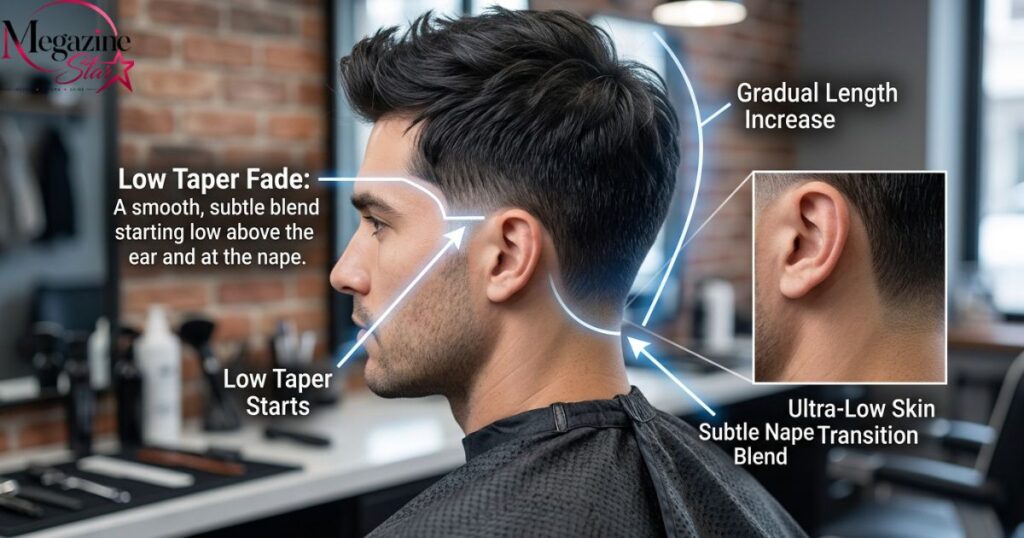
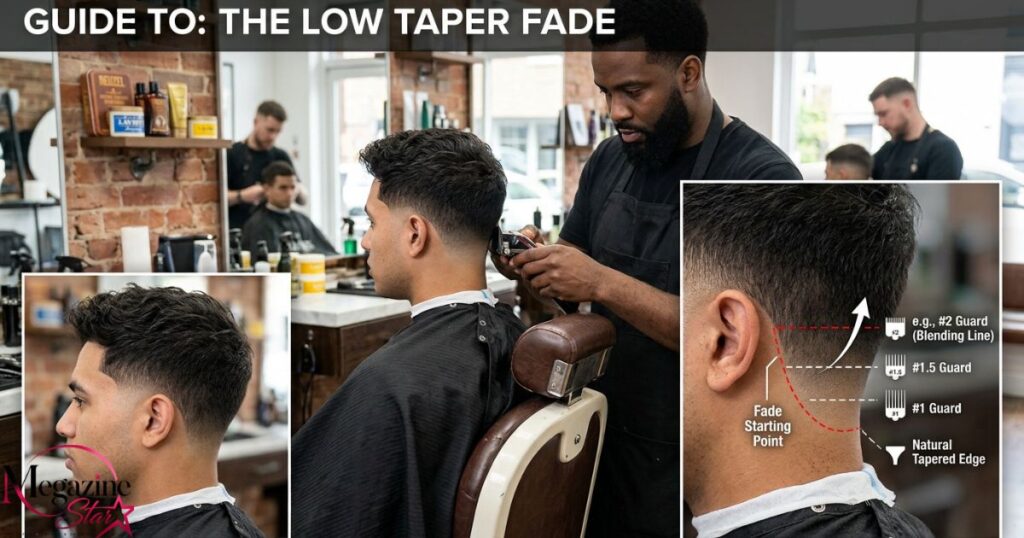
A low taper fade is a haircut that fades low, near your natural hairline. It starts short at the neckline and sideburns, then blends up into longer hair on top. There’s no sharp line. Just a smooth, gradual change. Most barbers use a number 2 or 3 guard to start, then work down close to the skin.
This cut isn’t a skin fade. A skin fade goes all the way to bare scalp. A low taper keeps a little length, even at its shortest point. That’s what gives it a softer look. It works on straight, wavy, curly, and coily hair. It also pairs well with almost any style on top.
Low Taper Fade Vs Low Fade: What’s The Difference?
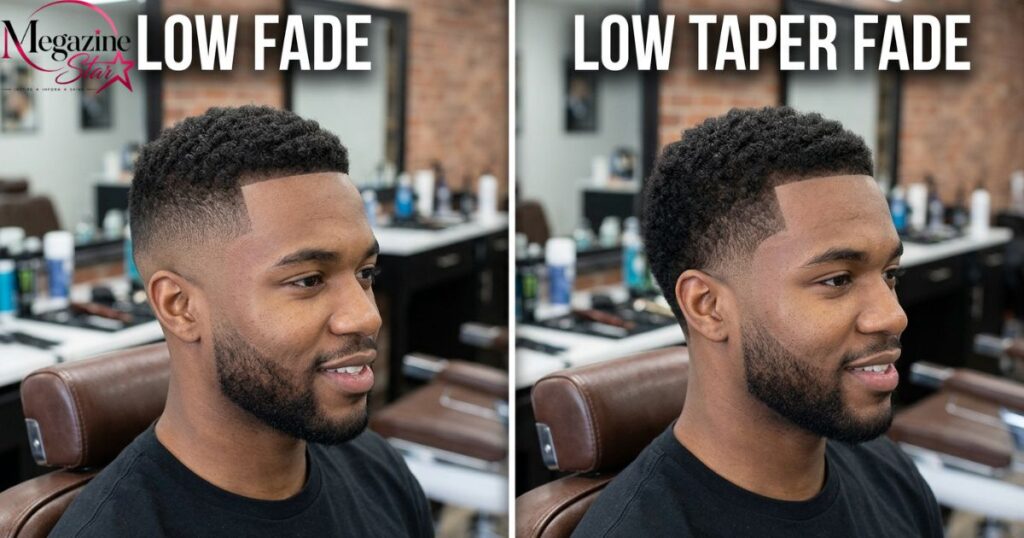
The words sound similar, but they mean different things. “Low fade” tells you where the fade sits, close to your hairline. “Low taper” tells you how soft that fade feels. Every low taper fade is technically a low fade. But not every low fade is soft or blended the same way.
If you want gentle, blended sides, ask for a low taper. That phrase gets you the softer result. A plain low fade might come out sharper than you expect. Knowing the difference helps you talk to your barber. It also helps you avoid leaving the chair with a cut you didn’t picture.
Why Low Taper Fade Haircuts Are So Popular
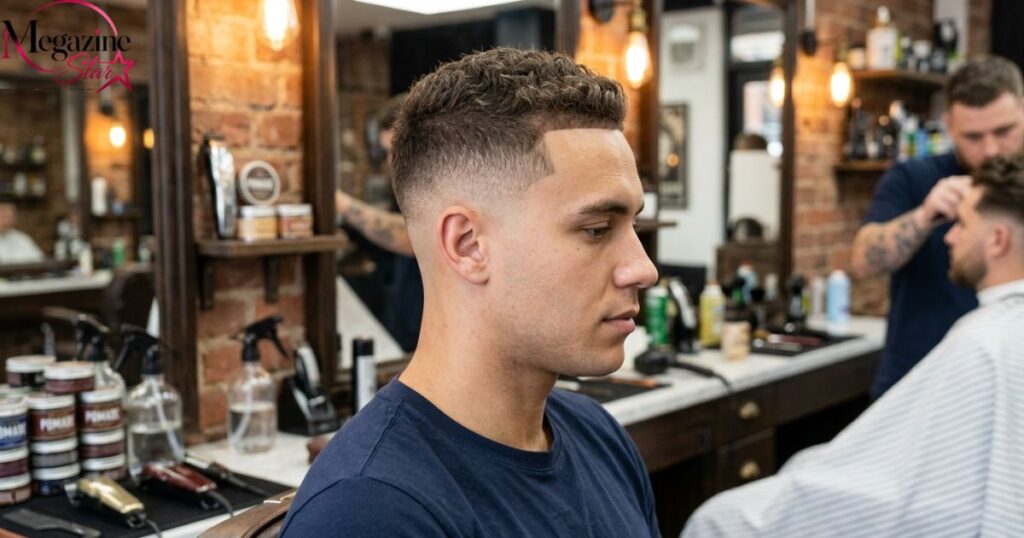
Workplaces got more relaxed, but people still want to look sharp. A low taper hits that sweet spot. It’s clean enough for the office. It’s easy enough for the weekend. Social media pushed this look too, favoring tidy, natural styles over harsh skin fades and hard lines.
The cut also just makes sense day to day. It suits nearly every face shape and hair type. It works with any top style, from slick and neat to loose and messy. Best of all, it grows out slowly. You can stretch the time between haircuts without anyone noticing the regrowth.
Best Low Taper Fade Haircuts For Men
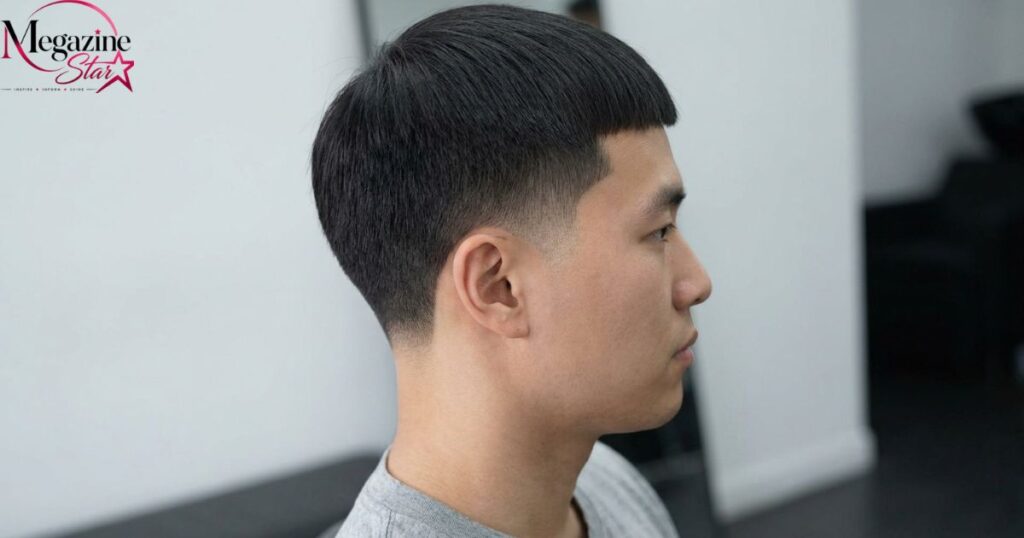
The fade stays the same, but the top gives you options. A classic short top looks neat and works anywhere. Curly or coily hair can go with 360 waves, letting the fade frame the pattern. A textured crop adds a bit of edge without much daily effort.
Other options bring even more variety. A fringe pushes hair forward and softens the face. A longer top gives you room to switch styles depending on the day. A messy, tousled top looks relaxed on purpose. Whichever version you pick, the low fade underneath keeps everything looking sharp and put together.
Low Taper Fade For Curly Hair
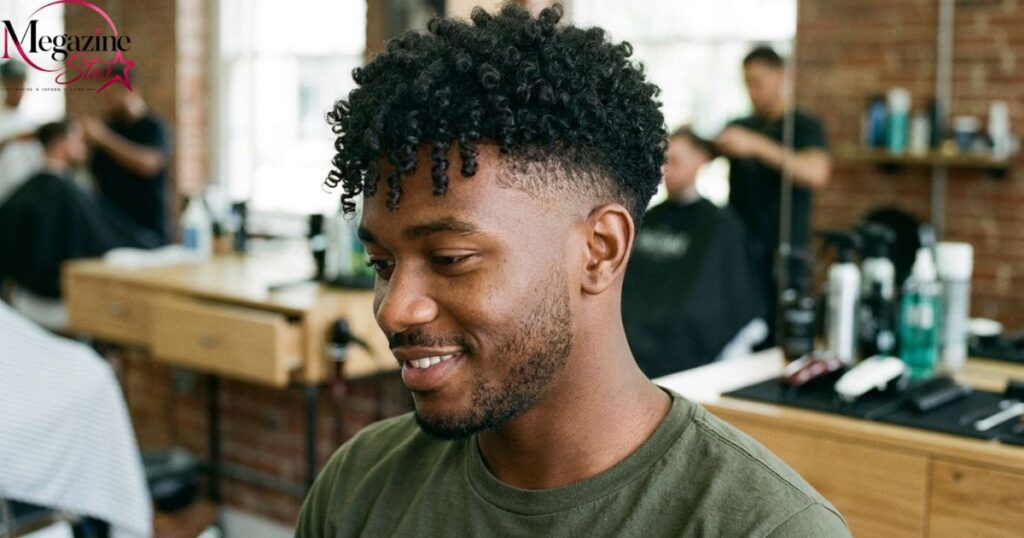
Curly hair and a low taper fade go together naturally. The fade cleans up the sides while your curls keep their full volume on top. Curls already bring texture on their own, so the cut doesn’t need to add more. It just needs a clean, tidy base to sit on.
A good barber usually cuts curly hair while it’s dry. That way, they can see how each curl falls before touching the sides. Keeping the fade low also avoids a shrinking effect that happens when a fade climbs too high. A curl cream or light mousse keeps the pattern defined afterward.
Low Taper Fade For Straight And Wavy Hair
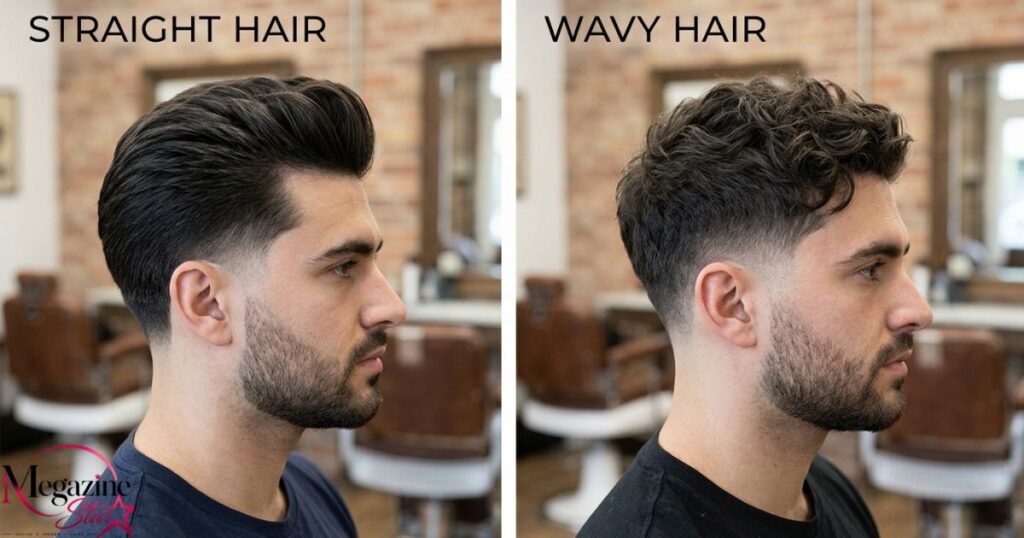
Straight and wavy hair both work well with a low taper. The main thing to watch is flatness. Straight hair especially can sit heavy without a little length or texture on top. Light layering or point cutting helps keep things lifted instead of falling flat against your head.
Wavy hair usually needs less coaxing since it already has natural movement. Straight hair does better with matte products instead of heavy gels, plus a quick blow dry to lift the roots. Either texture pairs nicely with the low fade underneath, since the sides stay quiet no matter what.
How To Style A Textured Or Messy Top
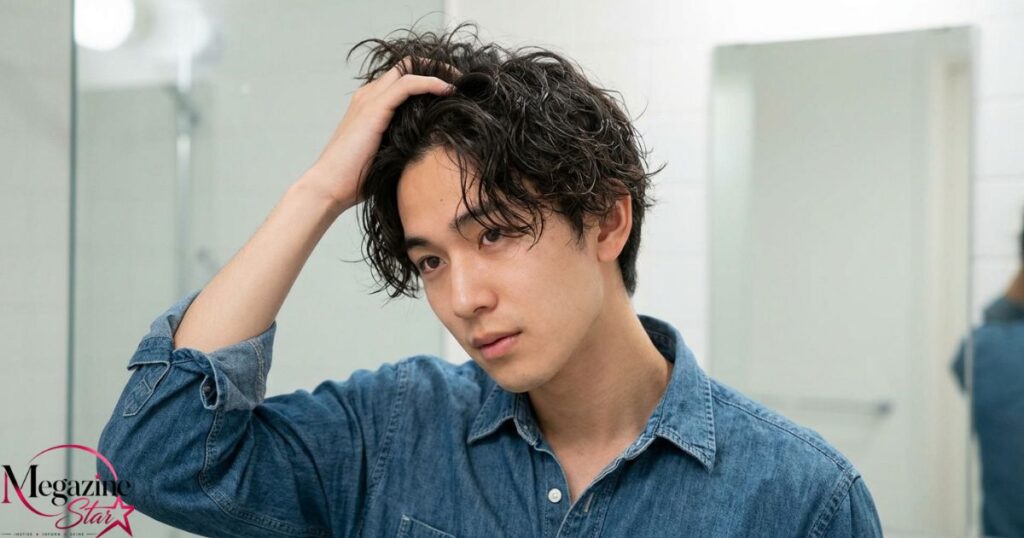
Texture is one of the most requested finishes right now. It looks deliberate without needing much daily work. The process starts in the barber chair. Ask for point cutting or texturizing shears instead of one blunt, even cut. Tell your barber you want some length, but broken up.
At home, styling stays simple. Work a small amount of matte clay or paste through dry or towel-dried hair. Use your fingers instead of a comb, so pieces separate naturally. Go light on product, since too much weighs hair down. This finish works especially well for thick hair.
How To Ask Your Barber For A Low Taper Fade
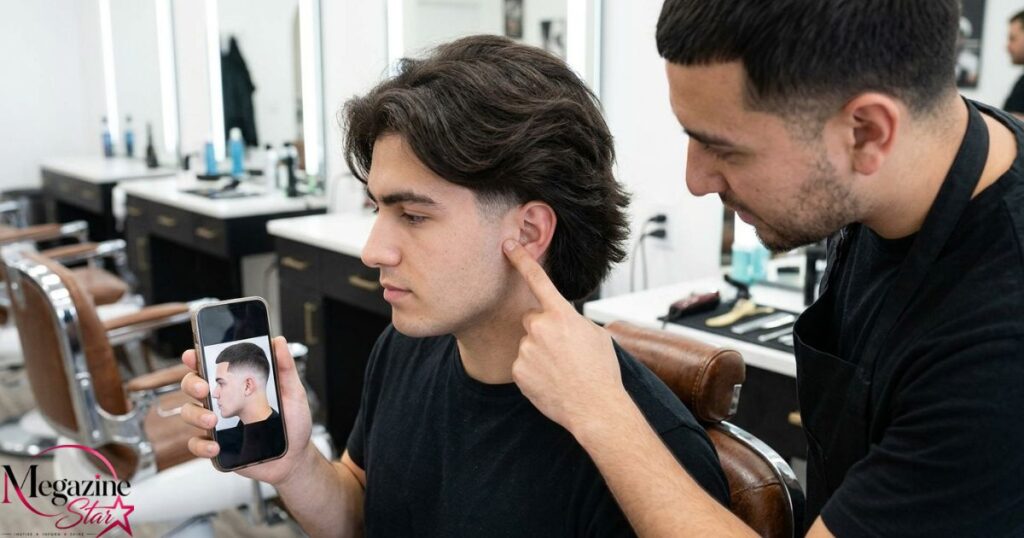
Barbershop terms aren’t always standard, so being clear matters more than using the right jargon. One simple line does most of the work: ask for a low taper around the sideburns and neckline, and specify that you don’t want a high fade climbing up the sides.
A few extra details help too. Ask your barber to keep the sideburn taper close to your natural hairline. Ask for a clean neckline without anything too sharp. Bringing a photo helps as well, since everyone pictures words differently. A reference gives your barber a clear target to match.
How To Style And Maintain A Low Taper Fade
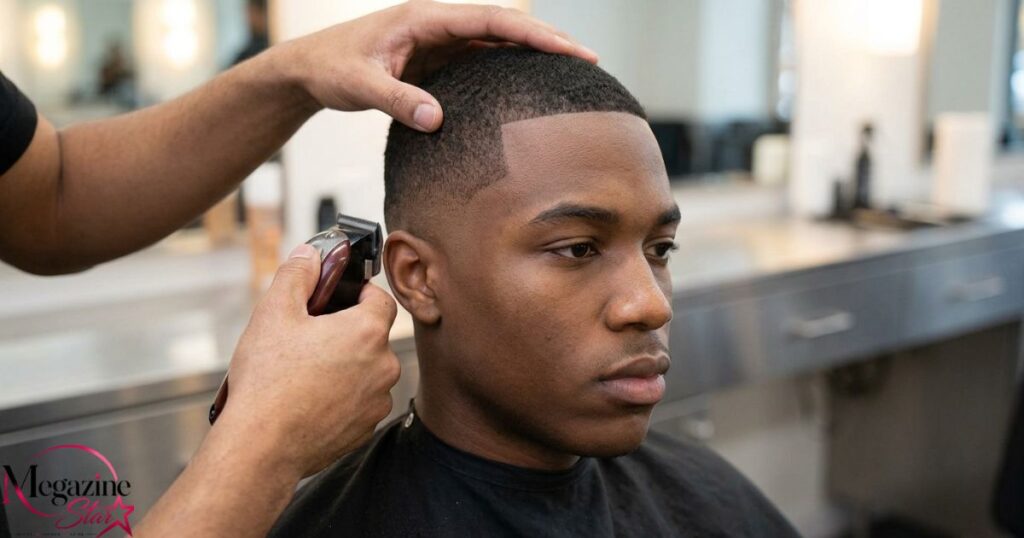
Upkeep stays light with this cut, which is part of the appeal. Most people trim every two to four weeks to keep the neckline and sideburns sharp. Fast growers may need it closer to two weeks. A low taper often stretches longer since the soft blend hides regrowth well.
Washing should stay simple too. Use a gentle shampoo a few times a week, not daily, since over-washing dries out your scalp. A lightweight cream gives natural movement, while matte clay works well for textured looks. Trimming the neckline yourself between visits helps keep edges looking fresh.
Does A Low Taper Fade Suit Your Face Shape?
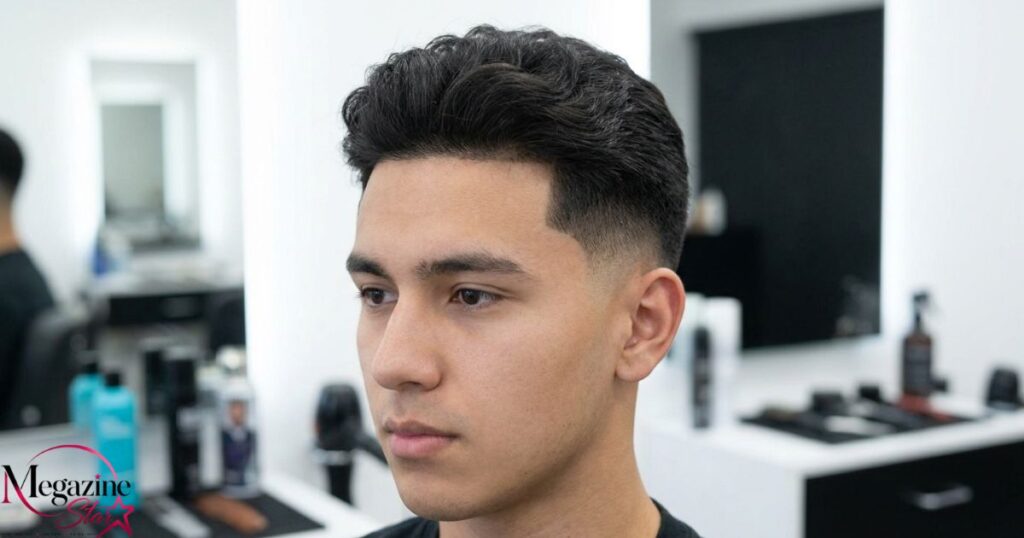
Almost certainly, yes. This cut adjusts easily based on how much length or texture sits on top. Round faces often look more balanced with extra height on top. Oval faces work with nearly any version without much fuss. Square faces pair naturally with the clean, defined sides.
Longer faces usually do better with some width on the sides instead of height. Heart-shaped faces balance out nicely with a textured top. These are general tendencies, not strict rules. A skilled barber can always adjust length and texture based on your specific features and preferences.
The Bottom Line
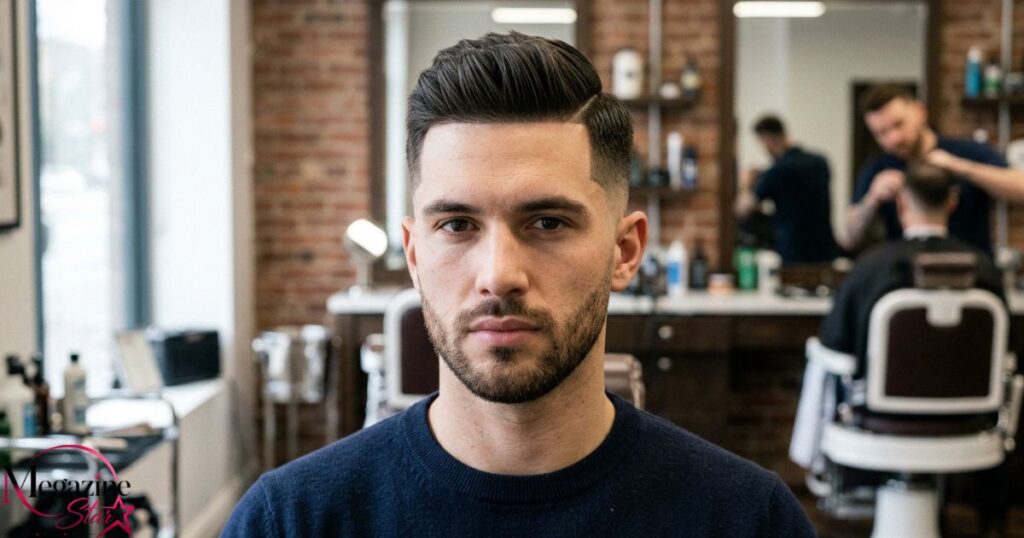
The low taper fade keeps showing up for a simple reason. It works. It’s clean enough for the office and relaxed enough for the weekend. It pairs with almost anything on top, from curls to crops to a deliberately messy finish, without asking for much upkeep in return.
Communication matters most when you sit in the chair. Be clear about where you want the fade to sit. Bring a photo if you have one. Ask questions if anything feels unclear. Get that part right, and this cut becomes one of the easiest to wear and maintain.
Go Deeper: Low Taper Fade Guides
This guide covers the basics, but plenty of related topics go further. Specific hair types, beard combinations, and styling routines each deserve their own space. Whether you have curly hair, straight hair, or a beard you want blended in, a dedicated guide covers the details you need.
Face shapes, design ideas, and top styles like slick backs or middle parts also get their own breakdowns. These guides use real photos, specific products, and exact barber wording. Together, they round out everything this overview touches on, giving you a deeper look at every version of the cut.
FAQ’S
What is a low taper fade
A low taper fade is a haircut that fades low near your hairline, blending gradually at the sideburns and neckline while keeping the top longer and full.
How is a low taper fade different from a regular fade
A low fade tells you where the fade sits, close to your hairline. A low taper tells you how soft that blend feels, gentle instead of sharp or dramatic.
How often should you get a low taper fade trimmed
Most people trim every two to four weeks. The soft blend hides regrowth well, so you can often stretch appointments longer than other fade styles allow.
Does a low taper fade work for curly hair
Yes, curly hair works great with this cut. The fade cleans up the sides while your curls keep full volume and texture on top, looking deliberate, not overgrown.
What should you tell your barber for a low taper fade
Ask for a low taper around the sideburns and neckline, not a high fade. Bring a photo too, since everyone pictures the same words a little differently.
Conclusion
A low taper fade gives you clean sides and total freedom on top. It’s soft, simple, and easy to maintain. This cut suits nearly every face shape and hair type out there. That’s why so many guys keep choosing a low taper fade year after year. It never really goes out of style.
If you want a low-maintenance look that still turns heads, a low taper fade delivers. Talk to your barber clearly. Bring a photo if you can. Ask for the low taper by name. Get those details right, and your low taper fade will look sharp for weeks to come.