

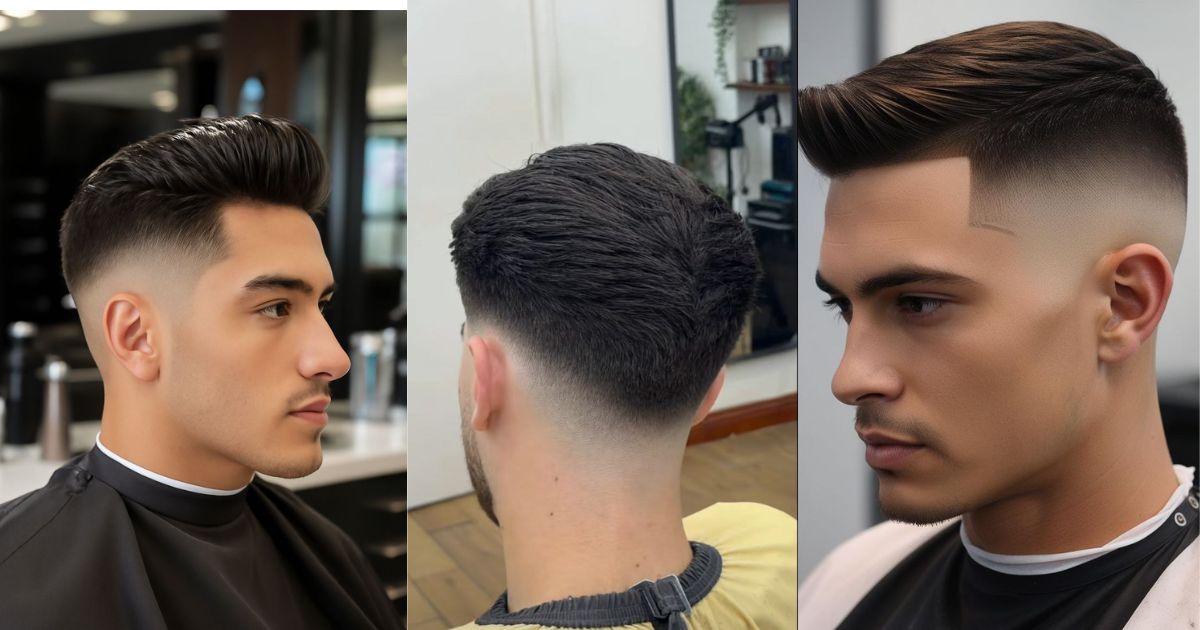
A low taper fade designs shaved into it turns an ordinary haircut into a signature look. Instead of a plain gradual blend, you get a crisp line, a bold pattern, or a piece of freestyle art sitting right above the neckline or ear. This guide breaks down every popular design, how barbers create them, and how to keep yours sharp between visits.
Whether you have curly, straight, wavy, or afro-textured hair, there’s a low taper fade design that fits your texture and lifestyle. Below, you’ll find 50 style ideas organized by placement and hair type, plus barber-tested tips on products, upkeep, and the mistakes that ruin a design fastest.
What Is a Low Taper Fade Design and How Long Does It Last?
A low taper fade design combines a subtle, gradual fade that starts near the ears and neckline with a shaved pattern, line, or shape cut into the short section. It’s the detail work that separates a standard taper from a personalized cut.
Most designs hold their sharpness for 2 to 4 weeks before the lines soften and need a refresh. Several factors decide how quickly yours fades out:
| Factor | Effect on Longevity |
| Hair growth rate | Fast growth blurs lines in 10–14 days |
| Design complexity | Simple lines last longer than detailed freestyle art |
| Hair texture | Coarser or curlier hair holds shape longer than fine, straight hair |
| Aftercare routine | Regular edging and moisturizing extend crispness |
| Barber’s blade skill | Cleaner initial cuts fade out more gracefully |
What Is a Low Taper Fade Design?
At its core, a low taper fade keeps the transition between short and long hair close to the skin, starting just above the ear and around the nape. Adding a design means the barber uses clippers, trimmers, or a straight razor to carve a pattern into that lower section, anything from a single line to an intricate freestyle piece.
This approach works because the low fade leaves more natural hair length overall, giving the design a defined frame without looking overly aggressive or drawing attention away from the top style.
Low Taper Fade vs. Skin Fade: Which Is Better for Designs?
Both fades can carry a design, but they behave differently once the pattern is cut in.
| Feature | Low Taper Fade | Skin Fade |
| Starting point | Just above ears/neckline | Can start anywhere, often higher |
| Contrast for designs | Moderate, softer look | High contrast, designs stand out more |
| Maintenance frequency | Every 3–4 weeks | Every 1–2 weeks |
| Best for | Everyday, professional settings | Bold, statement-making looks |
| Hair length remaining | More length retained | Very close to the scalp |
If you want a design that reads as polished rather than flashy, the low taper is the safer choice. If you want maximum visibility for a detailed pattern, a skin fade delivers sharper contrast, just expect more frequent barber visits.
Learn more:High Taper Haircut for Men: 35 Best Styles Fades & Expert Guide (2026)
50 Best Low Taper Fade Designs for Men (2026 Gallery)
Here’s the full breakdown of design categories, each suited to different placements, occasions, and hair types.
Back Low Taper Fade Designs
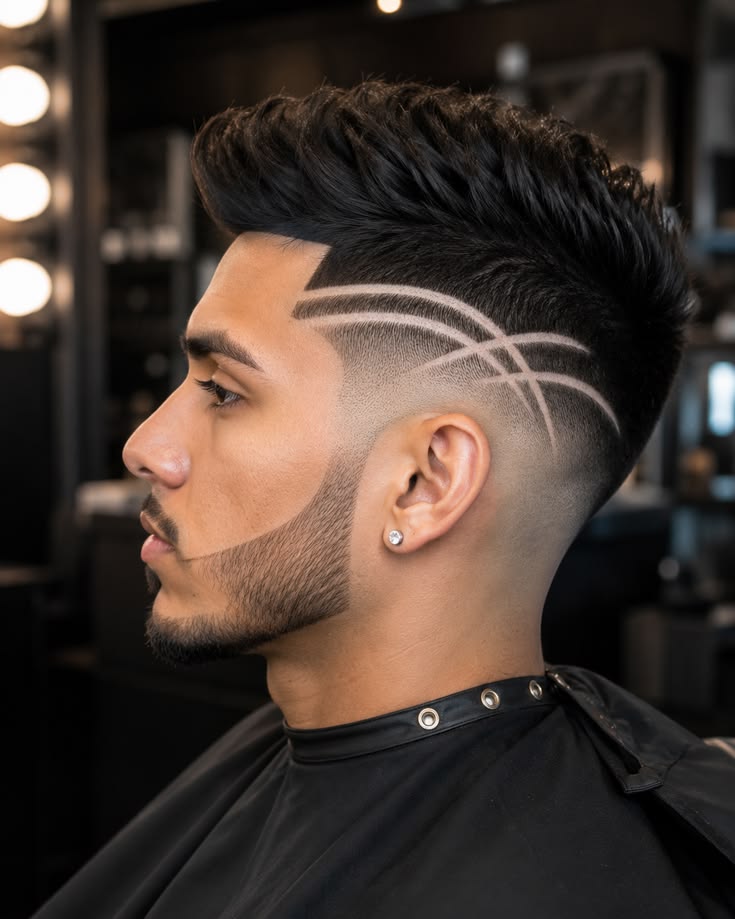
The back of the head gives barbers a wide, flat canvas, which makes it ideal for bigger, bolder patterns.
- Curved sweep line – a single line following the natural curve of the skull
- Geometric block pattern – squares or triangles shaved for a structured, modern effect
- Double parallel lines – two thin lines running along the nape for subtle detail
- Star or symbol accent – a small icon shaved centrally at the nape
- Fade-out crosshatch – a woven line pattern that fades into the skin gradually
Back designs are best paired with shorter top lengths that don’t flop over and hide the nape area.
Side Low Taper Fade Designs
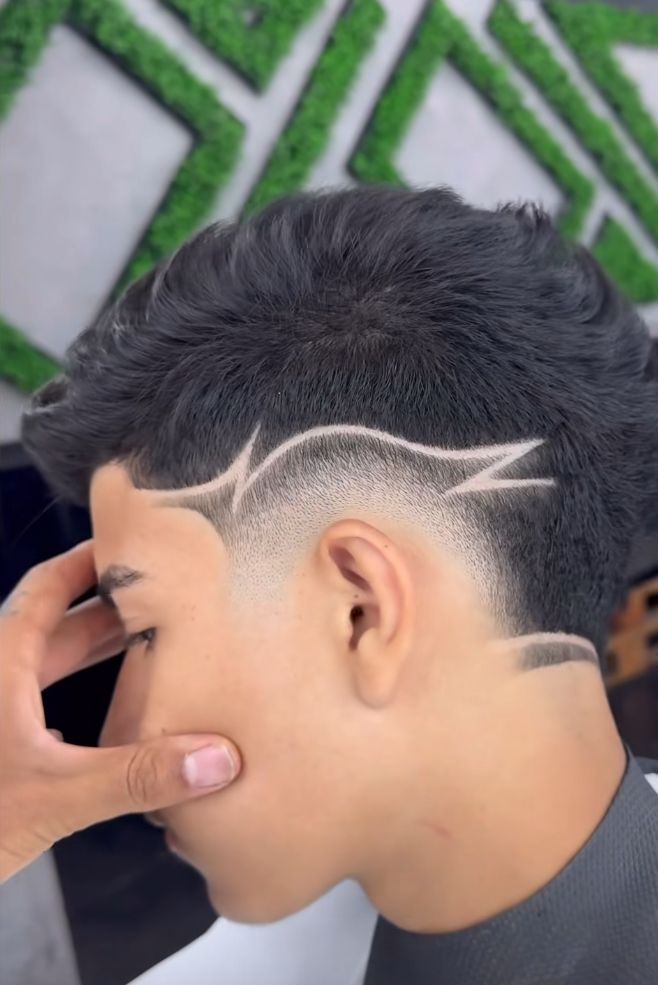
Side designs are the most requested because they’re visible from the front, making them easy to show off and easy to maintain.
- Single side part line – a thin straight line separating the fade from the top
- Double line part – two parallel lines for a bolder separation
- Zigzag side accent – a playful angled line above the ear
- Curved temple line – follows the hairline for a natural-looking break
- Shaved arrow or lightning bolt – a small graphic detail near the temple
Freestyle Low Taper Fade Designs
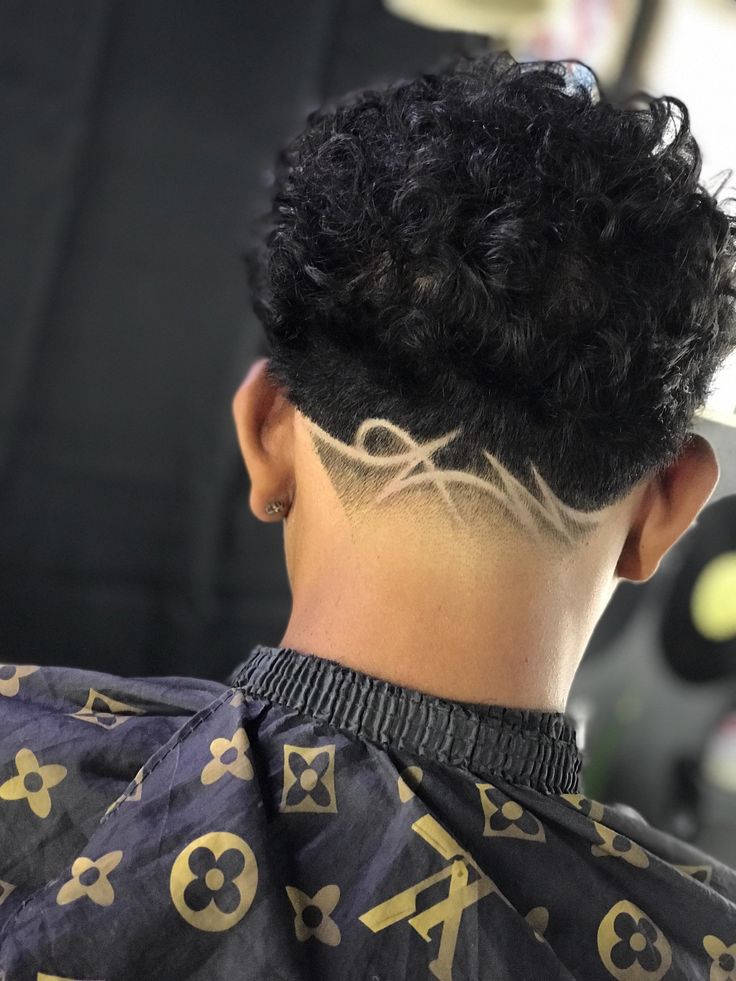
Freestyle work is where a skilled barber turns the fade into genuine art.
- Tribal-inspired patterns – flowing curved lines inspired by tribal artwork
- Animal silhouettes – small, detailed shapes like a wolf or eagle
- Abstract shapes – asymmetric swirls and geometric mashups
- Name or initials – personalized lettering shaved into the nape or side
- Sports team logos – club crests or numbers for game day
Freestyle designs need the most upkeep since fine detail lines grow out fastest.
Edgar Cut with Low Taper Fade Designs
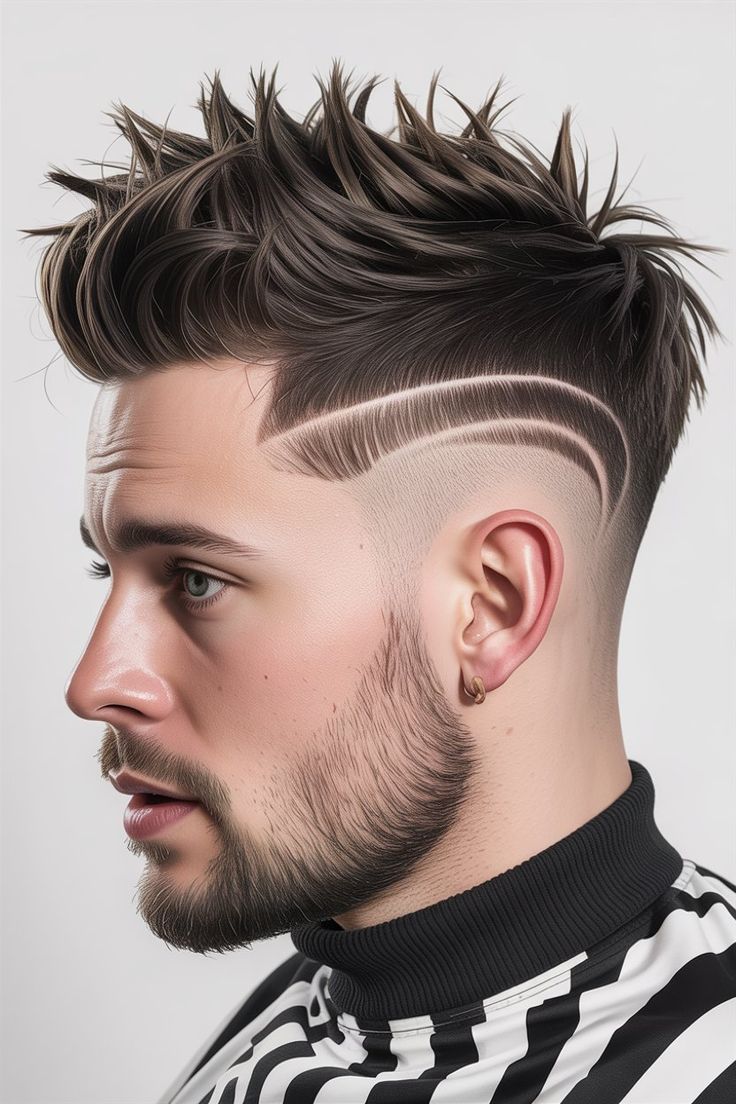
The Edgar cut pairs a straight, blunt fringe across the forehead with a low taper fade and a thin accent line at the temple. This combination has become especially popular with younger men who want a structured fringe paired with defined sides.
- Edgar with single temple line – clean and minimal
- Edgar with double line – adds extra sharpness to the frame
- Edgar with curved side design – softens the otherwise blunt look
Small & Subtle Low Taper Fade Designs
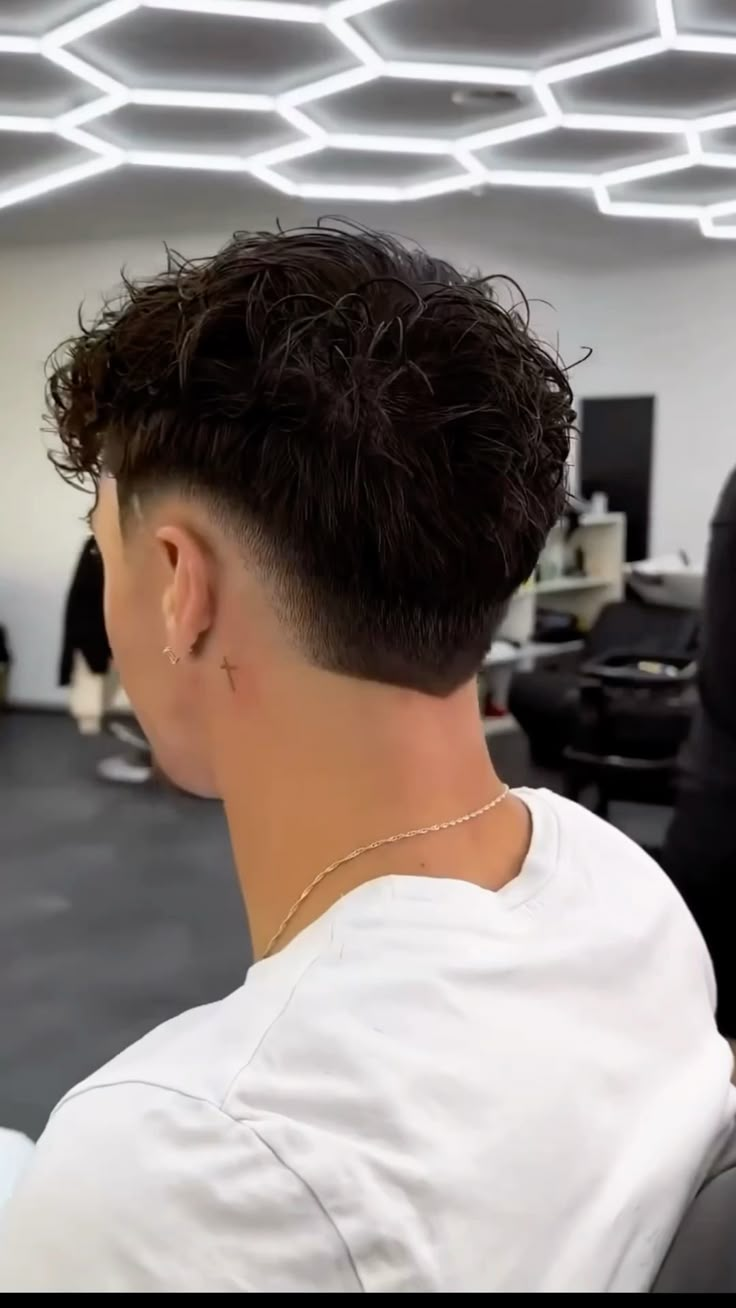
Not every design needs to be bold. These options work well for office settings or more conservative styles.
- Micro side line – barely-there detail near the ear
- Small dot or diamond accent – a tiny shaved shape at the temple
- Thin nape parting line – subtle definition at the back
Low Taper Fade Designs by Hair Type
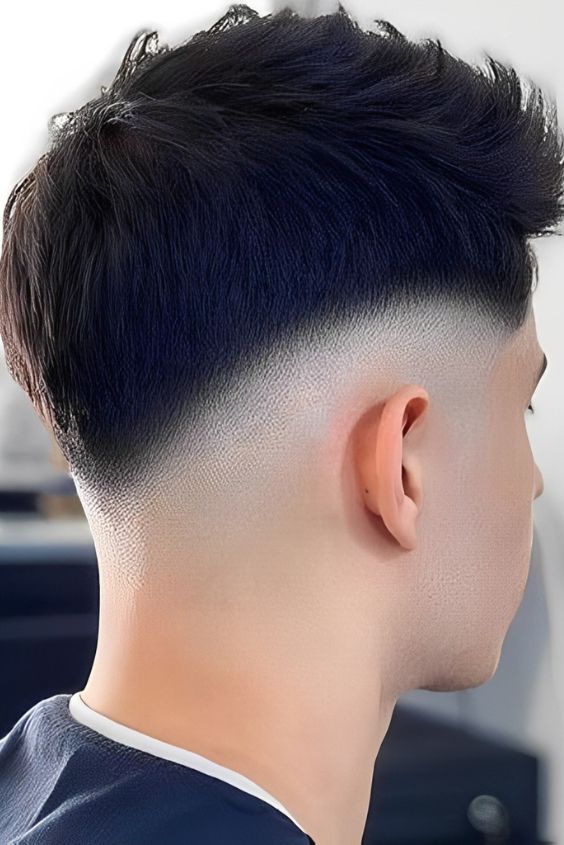
The same design can look completely different depending on your natural texture. Here’s how to adapt.
Low Taper Fade Designs for Curly Hair
Curls add natural volume on top, so keep designs simple and let the contrast between curls and the shaved line do the work. A single side line or small temple accent pairs well with curl definition on top.
Low Taper Fade Designs for Straight Hair
Straight hair shows off crisp lines clearly since there’s no texture to interrupt the pattern. This makes straight hair ideal for detailed freestyle work and multi-line designs.
Low Taper Fade Designs for Wavy Hair
Wavy hair offers a nice middle ground, enough texture for interest, but smooth enough to keep lines visible. Curved designs that echo the natural wave pattern tend to look most cohesive.
Low Taper Fade Designs for Afro-Textured Hair
Afro-textured hair holds a low taper fade design longer because the coil pattern disguises regrowth better than straighter textures. Bold geometric or tribal patterns show up beautifully against this hair type.
How Are Low Taper Fade Designs Created? (Step-by-Step)
- Consultation – the barber discusses placement, size, and complexity of the design
- Base fade – clippers establish the low taper gradient first
- Sketching the design – some barbers use a comb or pencil guide to outline the pattern
- Shaving the design – a T-liner or straight razor cuts the actual lines or shapes
- Blending edges – the barber blends the design into the fade so it doesn’t look pasted on
- Final cleanup – neckline and hairline are cleaned with a razor for a crisp finish
How to Ask Your Barber for a Low Taper Fade Design
Clear communication gets you a better result than a photo alone. Try these tips:
- Bring a reference photo, but also describe placement in your own words
- Specify where the fade should start (just above the ear, at the neckline, etc.)
- Mention how bold you want the design, subtle line versus full freestyle art
- Ask how often you’ll need to come back for touch-ups
- If you have curly or coily hair, mention it upfront so the barber adjusts blending technique
Best Styling Products for Low Taper Fade Designs
The right product keeps the top style looking intentional, which makes the design underneath stand out even more.
For Curly Hair
- Curl-defining cream to enhance natural pattern without weighing curls down
- Light-hold curl gel for definition that lasts through the day
For Straight Hair
- Matte clay or paste for texture and separation
- Light pomade for a natural, low-shine finish
For Wavy Hair
- Sea salt spray for natural texture and volume
- Texture powder to add grip without stiffness
For Afro-Textured Hair
- Moisturizing curl butter or oil to keep hair hydrated
- Light hold twist cream for defined coils
How to Maintain a Low Taper Fade Design
- Schedule touch-ups every 2 to 3 weeks to keep lines sharp
- Moisturize the scalp regularly, especially around shaved lines, to prevent dryness and flaking
- Use a soft brush to keep the fade area smooth between visits
- Avoid picking at or scratching the design area as new hair grows in
- Protect the haircut with a silk or satin cap or pillowcase to reduce friction overnight
Low Taper Fade Design Mistakes to Avoid
- Going too detailed on the first try – complex freestyle art is harder to maintain and grows out unevenly
- Skipping touch-up appointments – even simple lines blur quickly without upkeep
- Choosing a design that clashes with hair type – tight coils can distort very fine linework
- Not communicating placement clearly – vague requests often lead to a design in the wrong spot
- Using the wrong products on top – heavy, greasy products can make the whole cut look unkempt, even with a clean design
FAQ’S
How long does a low taper fade design last before it needs a touch-up?
Most designs stay sharp for 2 to 4 weeks, though fast hair growth or detailed patterns may need attention closer to 10 to 14 days.
Can any hair type get a low taper fade design?
Yes. Curly, straight, wavy, and afro-textured hair can all carry a low taper fade design, though the shape and size of the pattern should match the texture.
Is a low taper fade design more expensive than a regular fade?
Usually, yes. Freestyle or detailed designs take more time and skill, so many barbers charge a small additional fee.
What’s the easiest low taper fade design for a first-timer?
A single side part line or a small temple accent is the easiest to maintain and works well as an introduction to design cuts.
Conclusion
A low taper fade design is one of the easiest ways to personalize a classic haircut without going overly dramatic. From subtle side lines to bold freestyle art, there’s an option here for every hair type, occasion, and maintenance schedule. The key is matching the design’s complexity to your lifestyle and texture.
Talk openly with your barber, bring reference photos, and stay consistent with touch-ups to keep your design looking fresh. With the right upkeep routine and styling products, a low taper fade design can stay sharp, distinctive, and completely your own for weeks at a time.