

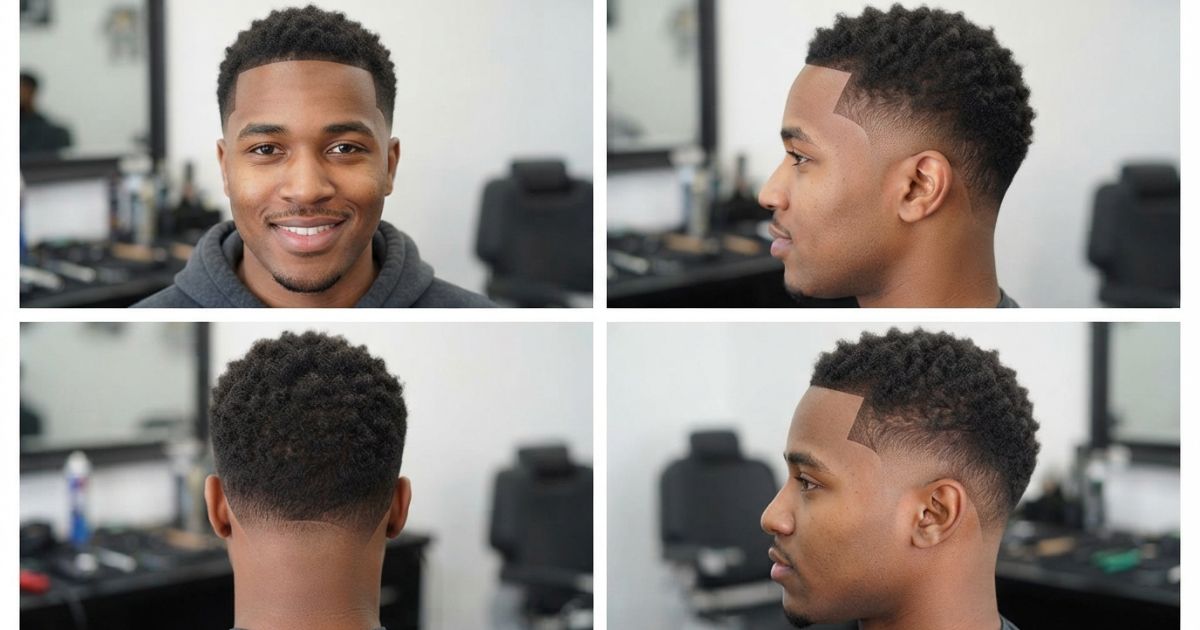
Low taper fade short hair gives you a clean, neat look without the sharp contrast of a high fade. The sides shorten gradually near the ears and neckline, while the top stays compact. It looks polished at work, at the gym, and everywhere in between, with very little effort.
This guide explains what makes a low taper different from mid and high fades, and which short styles suit your face shape and hair type. You will also get barber-ready wording, simple styling steps, and a touch-up schedule so the cut stays sharp and clean between visits, week after week.
What a low taper fade is for short hair
A low taper fade is a haircut where the sides and back get gradually shorter, starting low, just above the ear and along the neckline. On short hair, the top usually stays between about ½ inch and 1½ inches. The result is a tidy, rounded shape with soft edges.
The word “low” describes where the blend begins, not how short the whole cut is. A low starting point leaves more hair on the sides, so the cut looks softer and more natural.
How a low taper compares to mid and high fades
The main difference is where the blend starts on your head. A lower start means less contrast and a more understated finish.
| Feature | Low taper fade | Mid taper fade | High taper fade |
| Where the blend starts | Just above the ear and nape | Around the temple level | Near the upper side or crown |
| Contrast with the top | Subtle | Moderate | Strong |
| Best for | Work, school, everyday wear | A balanced, modern look | A bold, sharp statement |
| Regrowth visibility | Slow to show | Medium | Shows fastest |
| Risk on very short tops | Very low | Low | Can look shaved |
On short hair, a high fade can make the whole head look shaved. A low taper keeps enough hair around the ears to stay soft, even when the top is very short.
Learn more:Low Taper Fade Haircut for Black Men: Best Styles, Barber Tips, and Maintenance
Low taper fade vs low fade: the difference people miss
The two terms sound identical, and many people use them interchangeably. Barbers often treat them as slightly different requests.
- Taper: The hair gets shorter gradually and usually keeps a little length, even at the edges.
- Fade: The hair blends down to very short stubble or bare skin at the bottom.
- Low taper fade: A low, gentle blend, with the barber deciding how close to go at the neckline and around the ears.
If you want visible skin at the bottom, say so. If you want a softer edge, ask for a “low taper” and tell your barber to keep some length. That one sentence prevents most surprises.
Why the low taper fade suits short hair
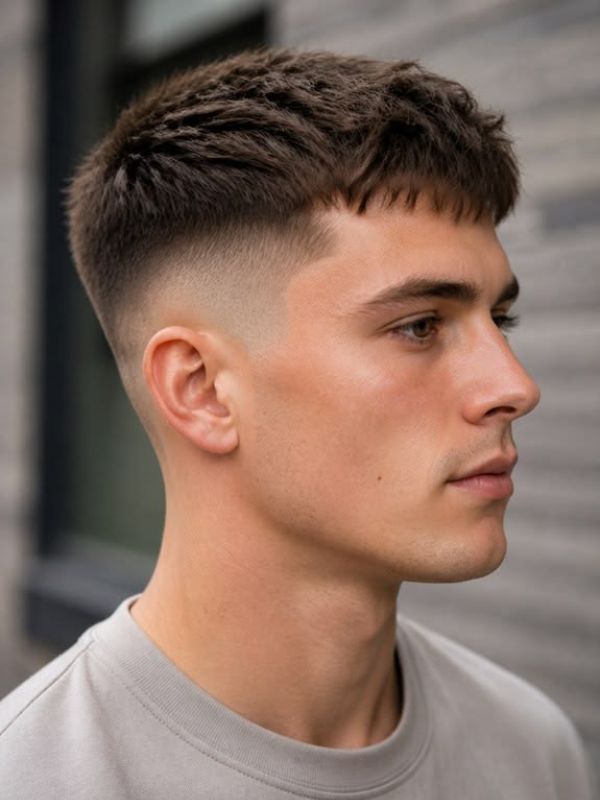
Short hair leaves little room for error. A low taper works because it adds shape without stripping away too much length. It also grows out gracefully, which helps if you can’t visit the barber every two weeks.
It stays low-maintenance between cuts
The blended area is small and sits low on the head, so early regrowth is easy to miss. Fresh growth around the ears and nape blends into the fade instead of creating an obvious line. You also need little product, so your morning routine stays short.
It works across hair types
This cut adapts to different textures because the barber controls the top length and blend depth. Here is how it plays out:
- Thick hair: Holds shape and volume on top with little effort.
- Fine hair: The clean sides draw attention away from thinner density.
- Curly and coily hair: Keeps the natural texture on top while the sides stay neat.
- Thinning hair: A short top with a soft taper can look tidier than a longer, sparse style.
Best low taper fade short hair styles
The fade sets the sides. The top style sets the personality. These five options work well with a low taper.
Crew cut with a low taper
The crew cut keeps the top short and even, usually around ¾ to 1 inch, then blends into the low taper. It is neat, classic, and quick to style. A little matte paste is all it needs.
Textured crop with a low taper
The top is slightly longer, often 1 to 1½ inches, and cut with choppy texture. Push it forward or slightly to the side for a relaxed, modern finish. It suits straight and wavy hair especially well.
Buzz cut with a low taper
An even buzz on top, cut with a clipper guard, paired with a low taper on the sides. It is the simplest option here, with almost no styling. The look is minimal and sharp, but it shows your head shape clearly.
Slick back with a low taper
Leave about 2 inches on top and comb it back with a light pomade or cream. The low taper keeps the sides tight, so the look feels sleek but not stiff. It works well for office settings and events.
Curly top with a low taper
Keep the curls natural on top and taper the sides low. The contrast highlights the texture instead of hiding it. A curl cream defines the shape and controls frizz.
Choosing a low taper fade for your face shape
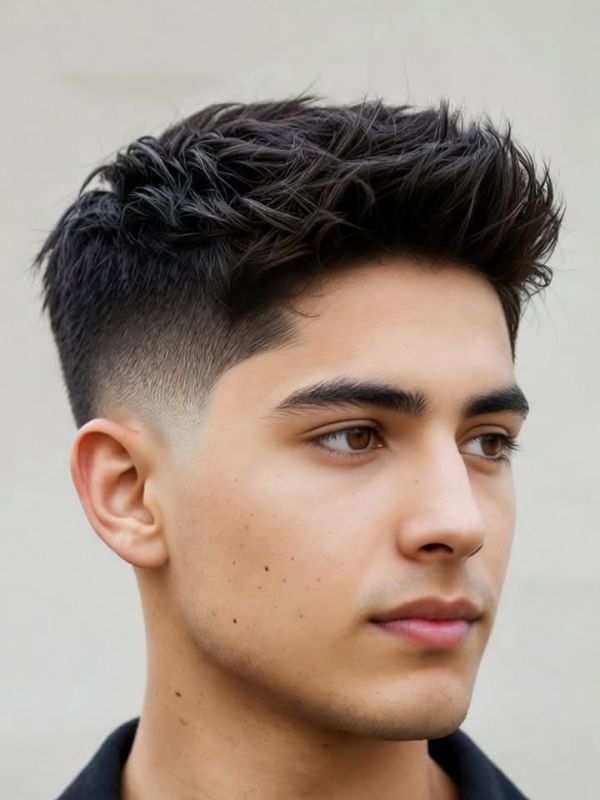
The fade stays mostly the same across face shapes. The top style and the amount of height do most of the work. To check your shape, look at your forehead, cheekbones, jaw, and overall length in the mirror.
| Face shape | What to aim for | Top styles to try |
| Round | Add height, keep sides tight | Textured crop, quiff, short pompadour |
| Square | Soften strong angles | Textured crop, side-swept top, crew cut |
| Oval | Almost anything works | Crew cut, slick back, buzz cut |
| Rectangular / long | Avoid extra height, add width | Textured fringe, forward-swept crop |
| Heart | Balance a wider forehead | Fringe or textured top with a low taper |
Your hairline matters too. If it is receding or uneven, ask your barber to soften the blend near the temples instead of cutting a hard edge.
Low taper fade for straight, wavy, curly, and coily hair
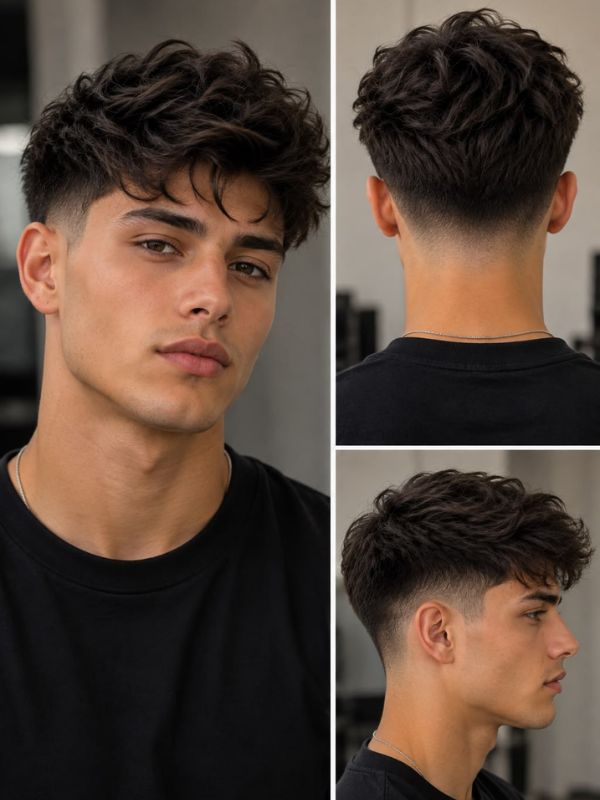
Hair texture changes how the blend looks, how the top behaves, and which products work best.
Straight hair
Straight hair shows every line, so the blend needs to be clean. A lightweight clay or fiber paste adds texture without weighing it down. Avoid heavy gels, which can make the top look flat.
Wavy hair
Wavy hair gives natural movement and a relaxed, lived-in finish. A textured crop or a slightly longer top usually looks best. Use a sea salt spray or light cream on damp hair to bring out the wave.
Curly hair
Curls spring up as they dry, so ask your barber to account for shrinkage. Leave enough length on top to keep the curl pattern intact. A curl cream or leave-in conditioner keeps the shape defined.
Coily hair
Coily hair shrinks the most, so the barber should check the shape both stretched and dry. Moisture is essential, since tight coils dry out easily. Pair the low taper with a sponge-twist, a short afro, or a clean shaped-up top.
What to ask your barber for a clean low taper
Vague requests like “low fade, not too short” leave too much to guess. Be specific about three things: where the fade starts, how long the top is, and how much skin you want at the bottom.
Try this script:
“I’d like a low taper starting just above my ears. Keep the top about an inch long, blend it smoothly with no harsh line, and leave a little length at the neckline.”
A few more tips:
- Bring a reference photo, and describe it in words as well.
- Mention any cowlicks, thinning areas, or a receding hairline.
- Tell your barber which clipper guard numbers worked well before.
- Say whether you want a natural neckline or a squared edge.
| Term | What it means |
| Taper | Hair gets gradually shorter, usually leaving some length |
| Fade | Hair blends down to skin or near skin |
| Blend | A smooth transition with no visible line |
| Line up | A sharp edge cut along the hairline |
| Guard number | The clipper attachment that sets the hair length |
How to style a low taper fade at home
Short hair styles in minutes. Follow these steps:
- Start with clean hair. Wash with a gentle shampoo, and blot dry instead of rubbing hard.
- Choose the right product. Matte clay for texture, light pomade for a slick finish, cream for curls.
- Use a small amount. A pea-sized dab is enough for short hair.
- Warm it up. Rub the product between your palms before applying.
- Work from the roots out. Shape the top with your fingers or a comb.
- Set the finish. Add a light mist of hairspray only if you need extra hold.
| Top style | Best product | Finish |
| Crew cut | Matte paste | Natural, low shine |
| Textured crop | Clay or fiber paste | Matte and choppy |
| Slick back | Water-based pomade | Sleek, medium shine |
| Curly top | Curl cream | Soft and defined |
| Buzz cut | Usually none | Clean and natural |
Avoid piling on product. Too much makes short hair look dull and greasy, and it hides the clean shape the taper creates.
How often to get a low taper fade touched up
Hair grows roughly half an inch per month on average, and the short sides show that growth first. Most short styles look best with a visit every 2 to 4 weeks. If you don’t mind a softer look, you can stretch it longer.
| Style | Suggested touch-up window |
| Buzz cut with low taper | 3 to 4 weeks |
| Crew cut with low taper | 2 to 3 weeks |
| Textured crop with low taper | 2 to 3 weeks |
| Slick back with low taper | 3 to 4 weeks |
| Curly top with low taper | 3 to 4 weeks |
Between visits, you can tidy the neckline with a trimmer, but leave the blended area to your barber. Booking your next appointment before you leave the chair keeps the routine simple.
Frequently asked questions
What is a low taper fade on short hair?
It is a cut where the sides blend gradually from a short top down to a low, soft edge around the ears and neckline.
How often should I trim a low taper fade?
Most people book a touch-up every 2 to 4 weeks, depending on their hair growth and top style.
Is a low taper fade the same as a low fade?
Not exactly. A taper usually keeps more length at the edges, while a fade goes closer to skin.
Does a low taper fade suit curly hair?
Yes. It keeps the curls on top neat while the low sides stay clean and controlled.
Which face shape suits a low taper fade best?
Most face shapes work. Round faces benefit from extra height on top, and long faces look better with less height.
Is a low taper fade professional enough for work?
Yes. The subtle blend and short length suit offices, interviews, and formal settings.
Can I maintain a low taper fade at home?
You can style it and tidy the neckline, but the blended fade area is best left to a barber.
What should I ask my barber for?
Say where the fade should start, how long the top should be, and how much skin you want at the bottom.
Conclusion
The low taper fade works on short hair because it stays subtle. The fade sits low, the top stays neat, and regrowth shows slowly. Pick a top style that fits your face shape and hair texture, and the cut looks intentional every day of the week, with almost no effort.
Before your next visit, save a reference photo, note where you want the fade to start, and describe your top length in inches. Book your next appointment before you leave the chair. A steady schedule keeps the blend clean and saves you from awkward grow-out weeks, every single time.