
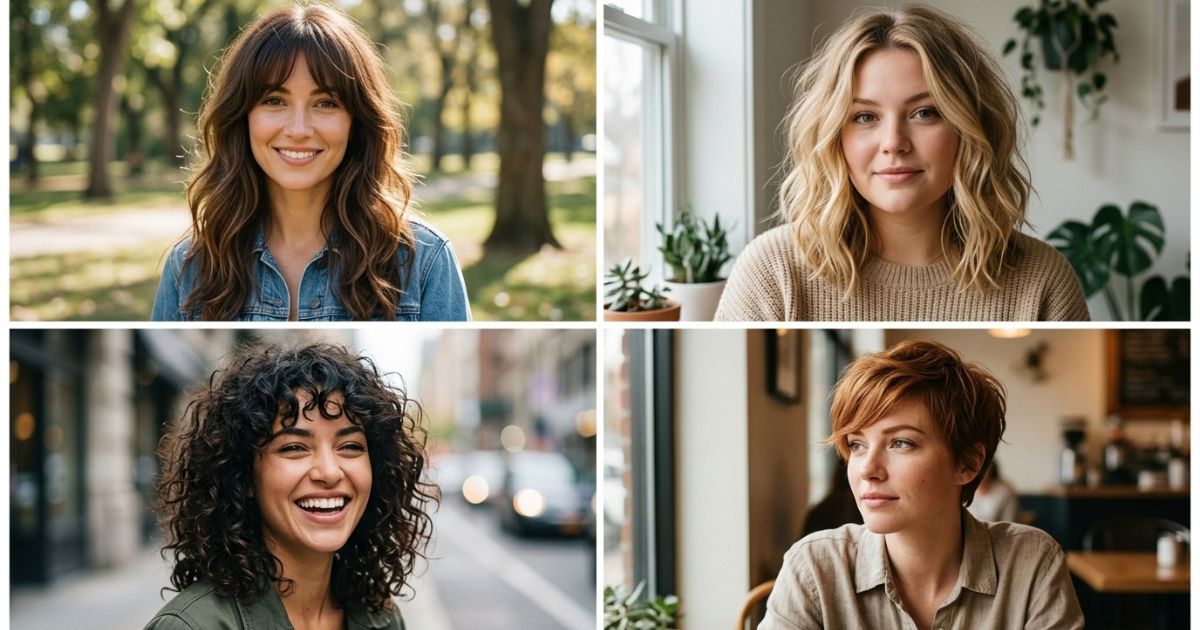
Women’s hairstyles offer countless ways to express personal style, try a fresh look, and make everyday hair care easier. From short pixie cuts and classic bobs to long layered hair and elegant updos, there are options for different hair lengths, textures, and occasions. The best hairstyle is one that feels comfortable, suits your preferences, and works with your natural hair.
In this guide, we explore 20 popular women’s hairstyles, explain their main features, and share tips for choosing a haircut. Whether you prefer a simple everyday look, a modern haircut, or a style for a special event, these ideas can help you decide what to try next.
1. Bob Haircut

The bob haircut is a classic choice that usually falls around the chin or jawline, although its exact length can vary. It can be cut straight for a defined shape or given soft layers for more movement. A bob works with straight, wavy, and curly hair, depending on the cut and styling technique.
One reason the bob remains popular is its versatility. You can wear it smooth, add loose waves, or tuck one side behind your ear. Ask your hairstylist to adjust the length and layers according to your preferred finish and daily styling routine.
2. Long Bob (Lob)
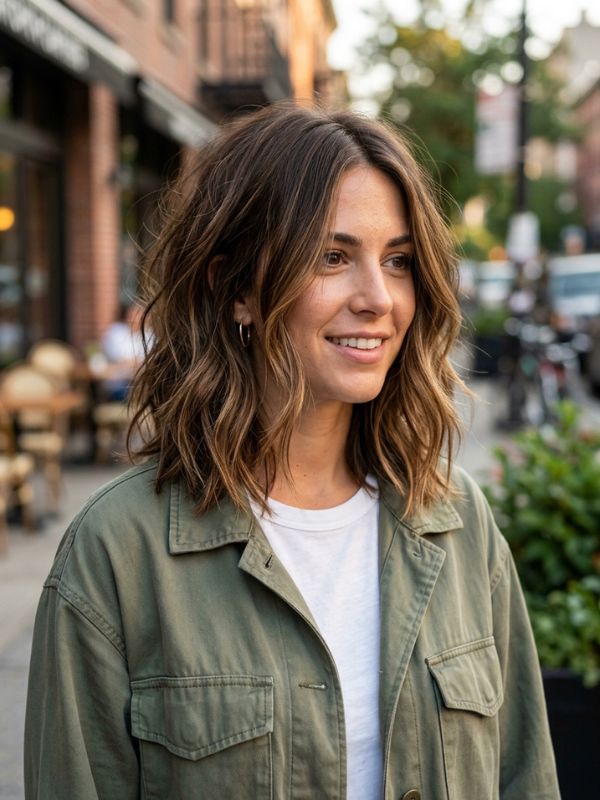
The long bob, often called a lob, typically falls between the chin and shoulders. It provides some of the neatness of a shorter haircut while keeping enough length for ponytails, waves, and other styling options. This makes it a useful choice for people who want a change without going very short.
A lob can be worn with a middle part, a side part, or gentle layers around the face. Straight styling creates a polished appearance, while loose waves give the hair a relaxed finish. Regular trims help maintain its shape and keep the ends looking tidy.
3. Pixie Cut
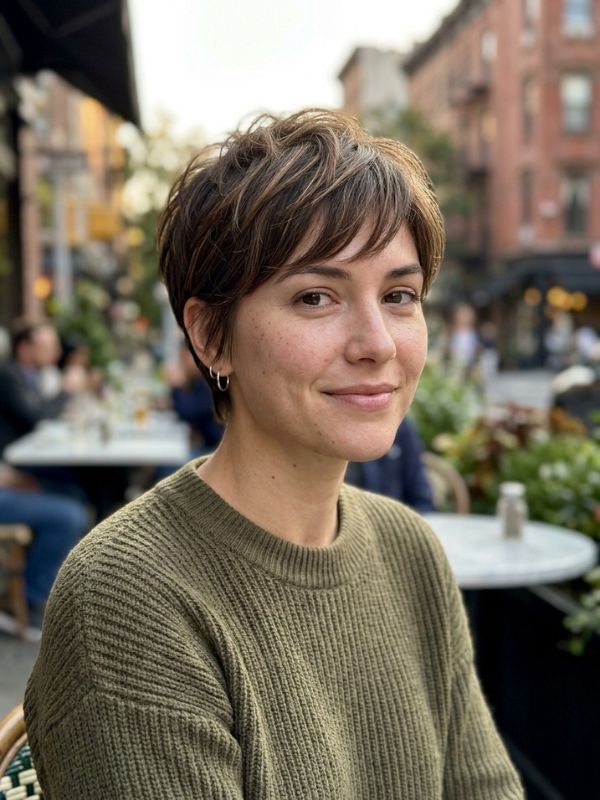
A pixie cut is a short hairstyle with closely shaped sides and back and a little more length on top in many versions. Some pixie cuts are soft and textured, while others have a more defined outline. The exact design can be customized to suit your preferences and natural hair texture.
Although a pixie cut can reduce the time needed to wash and dry your hair, maintaining its shape may require regular salon visits. You can use a small amount of suitable styling product to define texture or keep the finish smooth. Discuss the upkeep before choosing this cut.
4. Butterfly Haircut
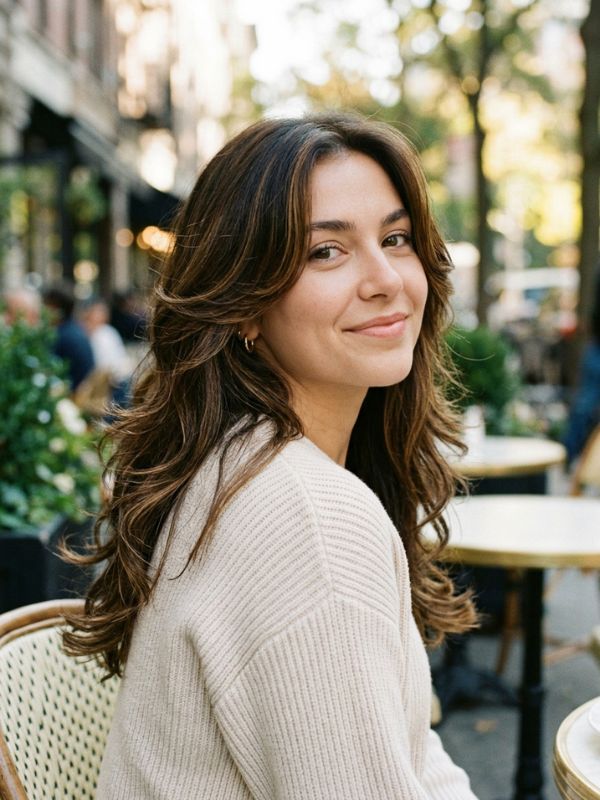
The butterfly haircut uses shorter face-framing layers combined with longer layers throughout the hair. The shorter sections create movement around the face, while the longer sections help preserve the appearance of length. It is often chosen by people who want a layered look without removing too much length.
Styling can emphasize the different layers with a round brush or a blow-dryer. You can also leave the hair in its natural texture for a softer finish. Because the effect depends on the placement of the layers, show your hairstylist reference pictures before the appointment.
5. Wolf Cut
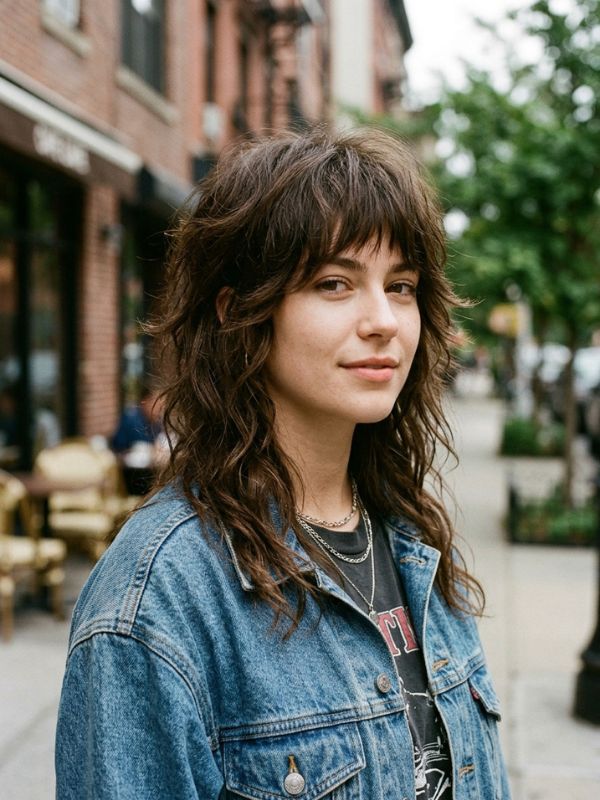
The wolf cut combines shaggy layers with a textured shape. It often features shorter layers near the crown and longer pieces toward the ends, creating a deliberately relaxed appearance. The cut can be adapted for different lengths and hair textures, so the final result does not have to look exactly like a reference photo.
For a casual finish, allow the hair to dry naturally if that works with your texture. A suitable styling cream or mousse can help define waves and layers. If you prefer a smoother look, your stylist can adjust the amount of layering and create a less dramatic version.
6. Layered Haircut
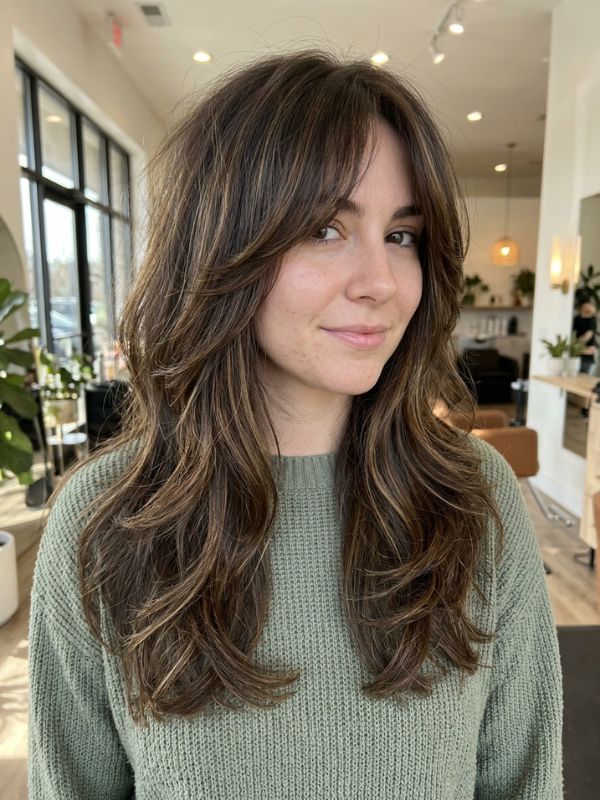
A layered haircut uses sections of different lengths to create movement and shape. Layers can be subtle and blended or more noticeable, depending on the desired result. They may be added to short, medium, or long hair, making this one of the most adaptable haircut options.
The right layer placement depends on your hair’s density, texture, and styling habits. Soft layers can add movement, while longer layers can help maintain length. Explain how much time you want to spend styling your hair so your hairstylist can recommend a practical cut.
7. Curtain Bangs
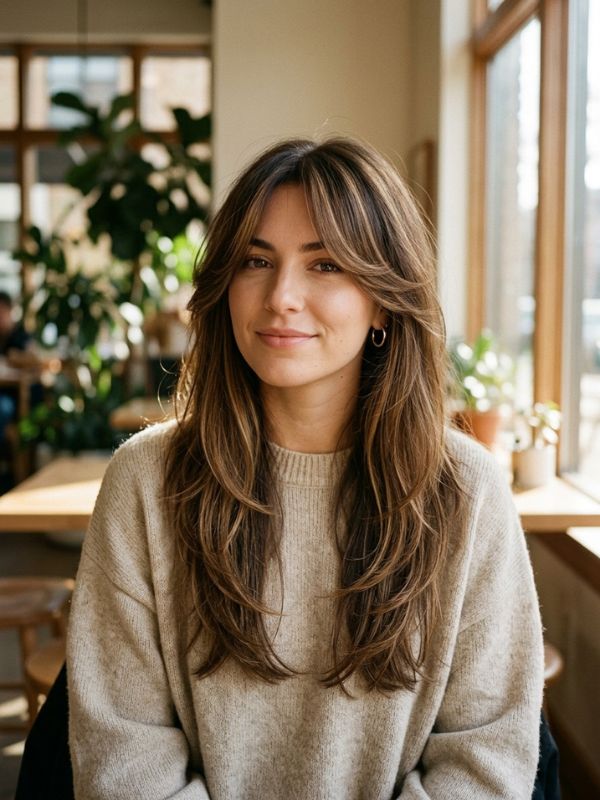
Curtain bangs are fringe sections parted near the middle and swept toward either side of the face. They are often shorter near the center and gradually blend into longer sections. Curtain bangs can be paired with bobs, shoulder-length cuts, or long layered hairstyles.
They may need a little daily styling to fall into place, especially if your hair has a strong natural part or growth pattern. A round brush can help shape the fringe, but air-drying may also work for some textures. Ask your stylist for a length that feels comfortable to maintain.
8. Shag Haircut
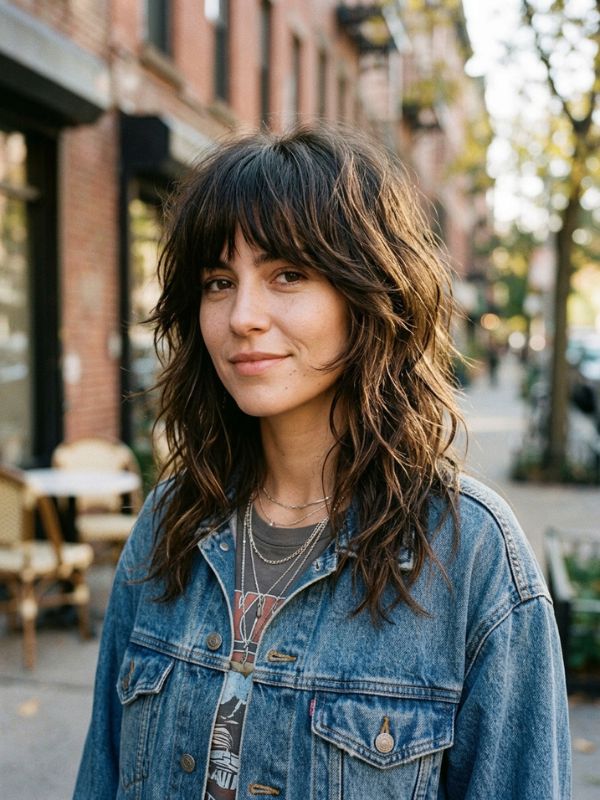
The shag haircut features multiple layers and textured ends, creating a relaxed, slightly tousled finish. Depending on the version, it can include bangs, face-framing pieces, or more volume around the crown. A shag can be adapted for short, medium, and long hair.
This style is especially flexible when customized to the hair’s natural movement. A lightweight styling product can help emphasize texture without making the hair feel heavy. If you prefer a neat appearance, request softer layers rather than an extremely choppy finish.
9. Blunt Bob
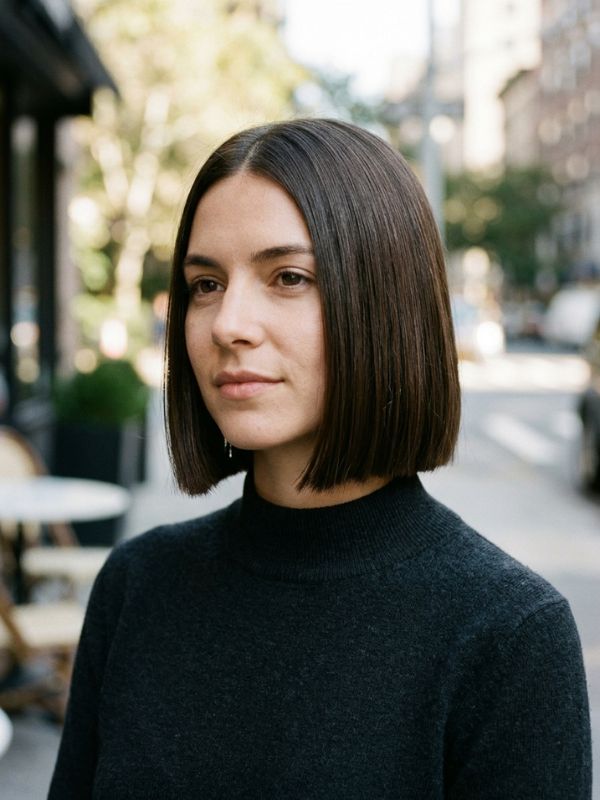
A blunt bob has a strong outline with ends cut to a relatively even length. It can sit near the chin, jawline, or slightly below, depending on personal preference. Its clean shape makes it a popular option for people who enjoy a structured haircut.
The blunt bob can be styled straight for a crisp finish or worn with gentle waves for a softer look. Keeping the ends even usually requires periodic trims. Your hairstylist can adjust the length and overall shape to suit your preferred styling routine.
10. French Bob
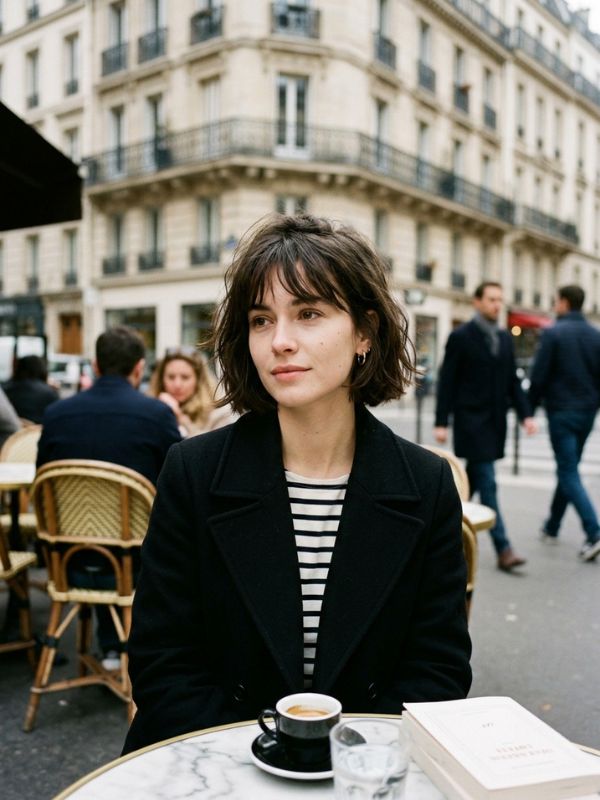
The French bob is typically a short bob that sits around the jawline or above, often paired with bangs or a natural-looking fringe. Its appearance can be polished or slightly undone, depending on the cut and how it is styled.
You can wear a French bob with natural waves, a soft bend, or a smoother finish. Because it is relatively short, the shape may need regular maintenance. Before choosing this haircut, consider whether you enjoy shorter hair and are comfortable maintaining its length.
11. Bixie Cut
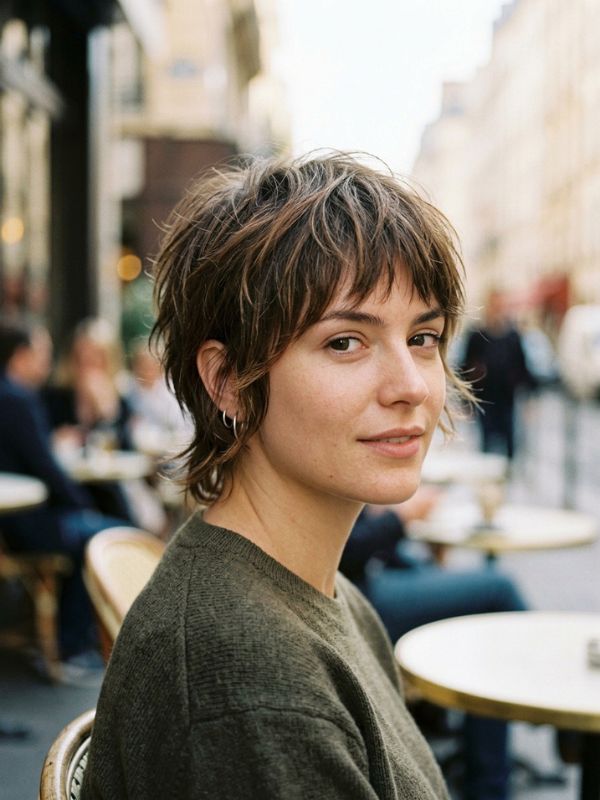
The bixie combines features of a bob and a pixie cut. It is usually longer than a traditional pixie but shorter and more layered than many classic bobs. This in-between length creates a flexible style that can look soft, textured, or more structured.
A bixie may be a good option if you want to try shorter hair without committing to an extremely short cut. Styling can be as simple as defining a few layers with a lightweight product. Ask your stylist to customize the length around the ears, neckline, and fringe.
12. Hush Cut
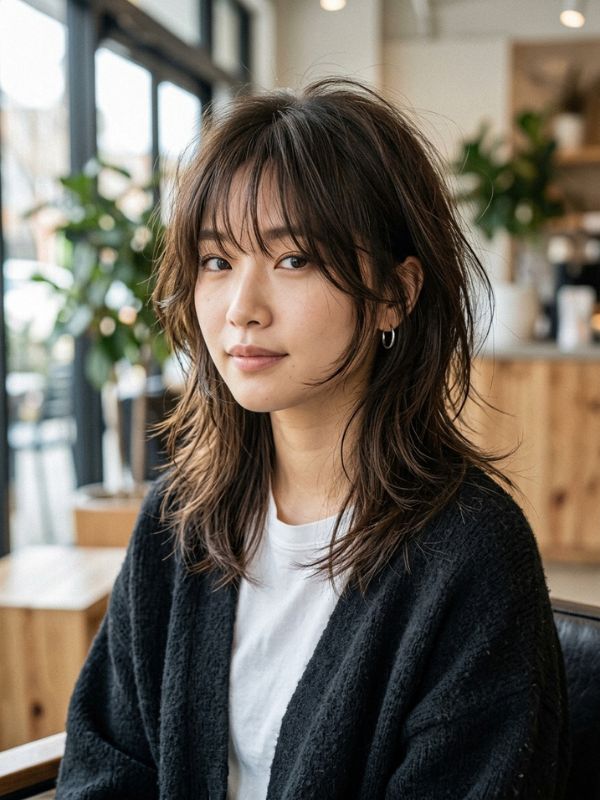
The hush cut is known for soft, blended layers that create movement without an overly choppy appearance. It is commonly seen on medium and long hair, with gentle framing around the face. The result can be subtle enough for people who want layers while keeping a flowing overall shape.
This haircut can work with different textures, although the final effect depends on how the layers are placed. You can style it with a blow-dryer for more definition or let the hair fall naturally. Bring reference photos so your hairstylist understands how soft or pronounced you want the layers.
13. Long Straight Hair
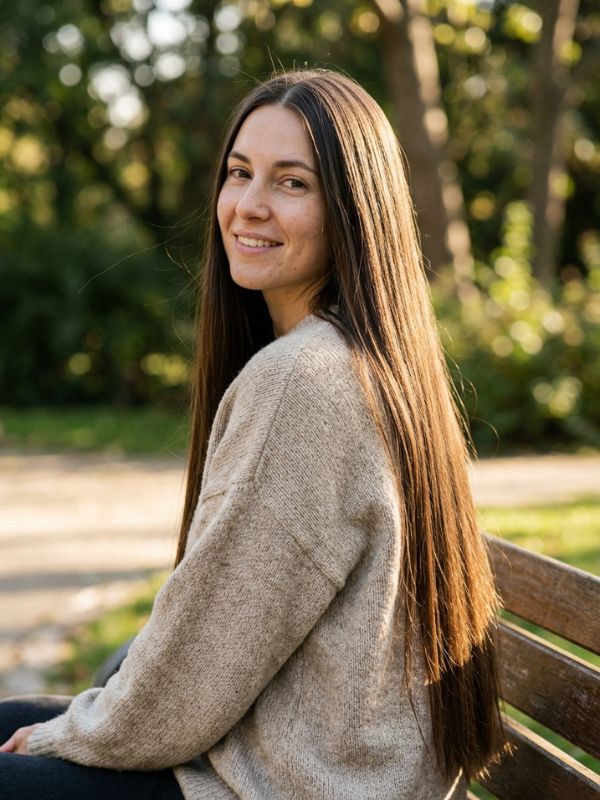
Long straight hair offers a simple and adaptable look. It can be worn with a middle part, a side part, or a few face-framing layers. Some people prefer a blunt finish, while others choose softly layered ends to create more movement.
Gentle care can help keep long hair manageable. Use a conditioner suited to your hair type and avoid excessive heat when styling. If you use a flat iron, follow the product instructions and choose an appropriate heat setting. Regular trims can help maintain the haircut’s shape.
14. Long Wavy Hair
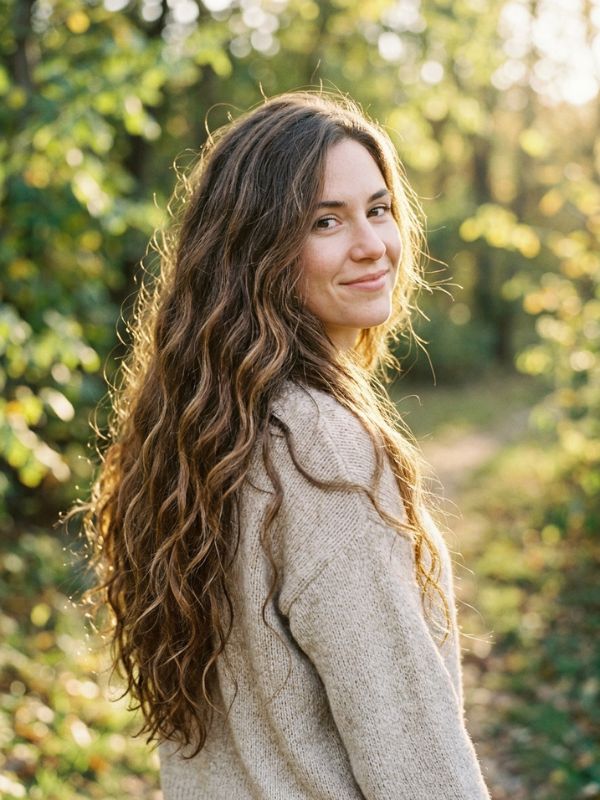
Long wavy hair creates a relaxed appearance with natural bends and movement. The waves may be loose and subtle or more defined, depending on the hair’s natural texture and styling routine. Long layers can help the waves fall more evenly without making the ends look too heavy.
To emphasize natural waves, try a suitable leave-in product or styling mousse. Scrunching damp hair gently may help define its texture. If your hair is naturally straight, you can create waves with a heat-free method or a styling tool used carefully.
15. Curly Layered Hair

Curly layered hair is designed to work with the shape and movement of curls. Layers can help distribute volume and give curls more definition, although the right placement depends on curl pattern, length, and density. A customized cut can help curls sit in a more balanced shape.
Curly hair often benefits from conditioning products selected for its needs. Detangling gently and avoiding rough towel-drying may help reduce breakage and frizz. Ask your hairstylist to consider how much the curls shrink when dry, because this can affect the final length.
16. Shoulder-Length Hair
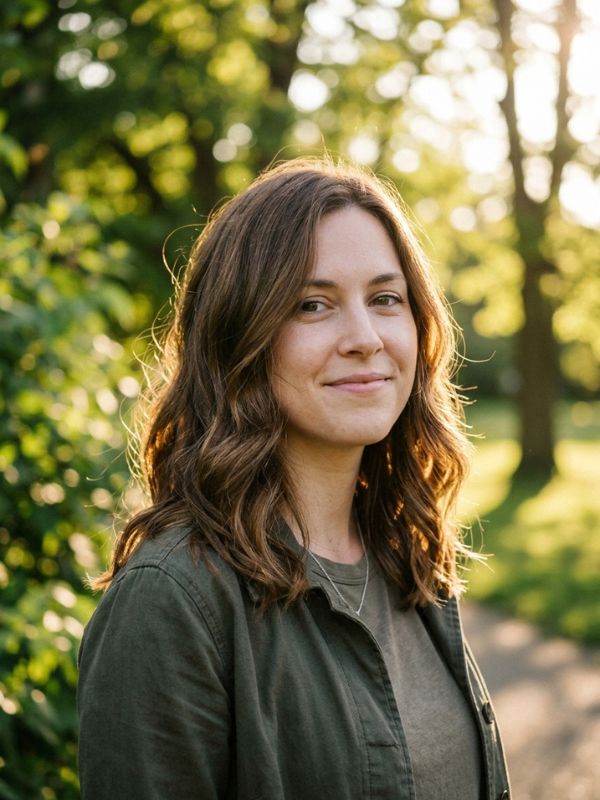
Shoulder-length hair sits around the shoulders and offers a balance between shorter and longer styles. It can be worn straight, wavy, curly, layered, or with bangs. This length is also convenient for many everyday hairstyles, including ponytails and half-up styles.
If you want flexibility without managing very long hair, shoulder-length hair may be worth considering. Subtle layers can add movement, while a more even cut creates a clean outline. Your stylist can help determine the length that works with your hair texture and preferred routine.
17. High Ponytail
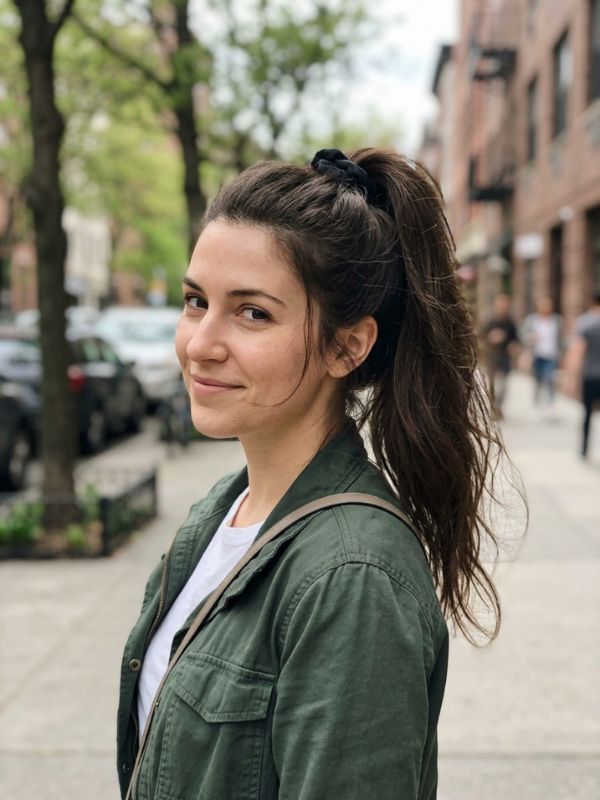
A high ponytail gathers the hair near the crown or upper back of the head. It can look sporty, polished, or elegant depending on how tightly it is secured and whether the finish is smooth or textured. It is also a practical option for keeping hair away from the face.
For a softer look, leave a few loose sections around the face. For a more polished style, gently smooth the hair before securing it. Avoid pulling the hair too tightly or wearing a tight ponytail continuously, as repeated tension can cause discomfort and hair breakage.
18. Messy Bun
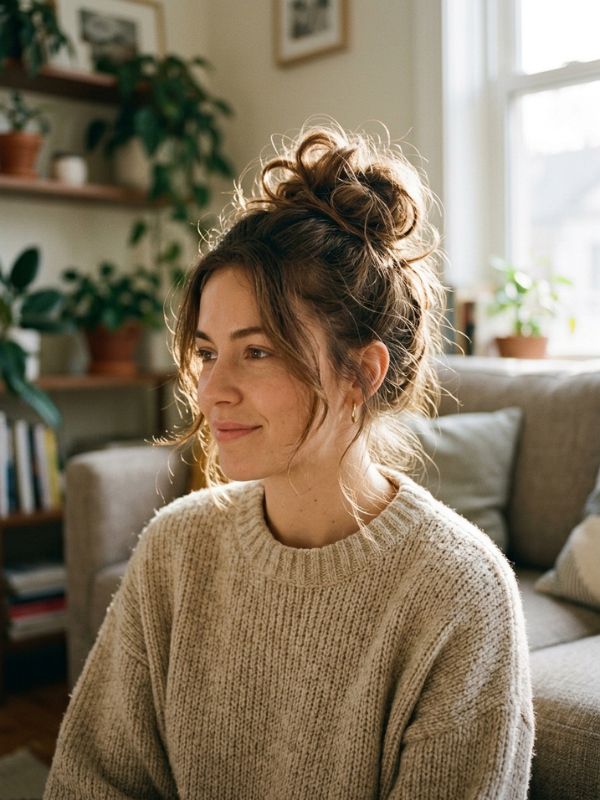
A messy bun is a relaxed updo in which the hair is gathered and secured into a loose bun. It works for everyday activities, casual outings, and some special occasions. The finish can be intentionally loose, with a few strands left around the face.
To create the look, gather the hair into a ponytail, twist it loosely, and secure it with a hair tie or pins. Adjust the shape with your fingers rather than trying to make every strand perfectly smooth. A gentle hold product may help manage flyaways if needed.
19. Braided Hairstyle
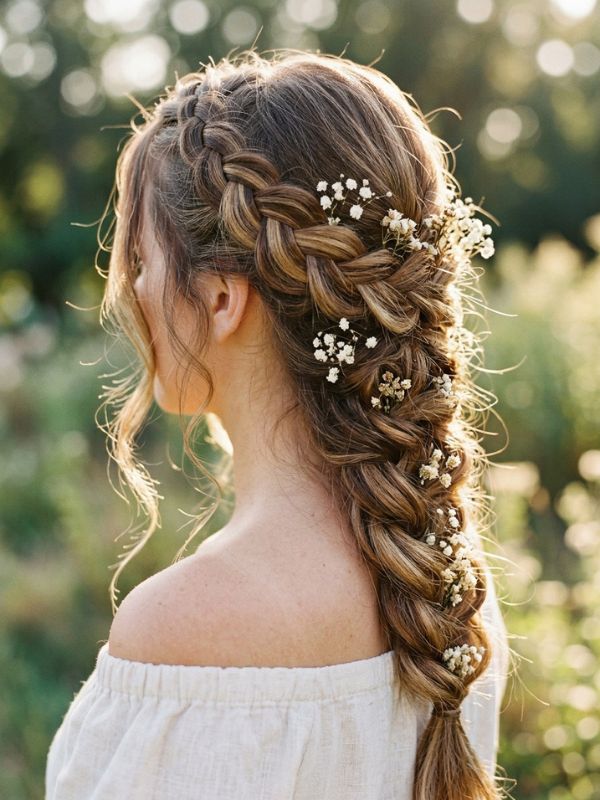
Braided hairstyles include simple three-strand braids, French braids, Dutch braids, fishtail braids, and more elaborate patterns. They can be worn on their own or combined with ponytails and buns. The best option depends on hair length, texture, and how much time you want to spend styling.
A loose braid can be a practical everyday option, while more detailed braids can suit celebrations and events. Use a suitable detangling method before braiding, and avoid excessive tension around the hairline. Protective styles should feel comfortable and should not pull painfully on the scalp.
20. Half-Up, Half-Down Hairstyle
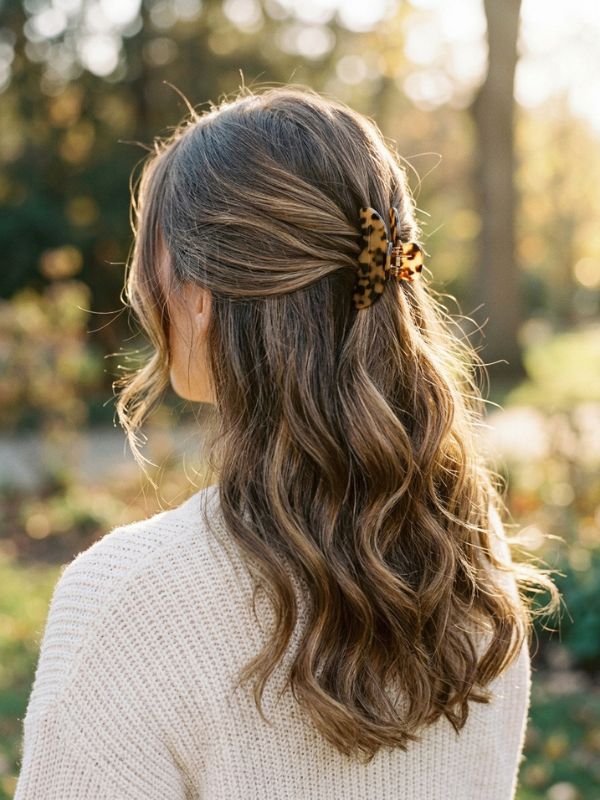
The half-up, half-down hairstyle secures part of the hair while leaving the rest loose. It combines the convenience of pulling hair away from the face with the appearance of wearing it down. It can be created with straight, wavy, or curly hair of suitable length.
You can secure the upper section with a clip, hair tie, or decorative accessory. For a simple everyday version, gather a small section from each side and fasten them at the back. For a more formal appearance, add gentle waves or a small braid.
Learn more:Simple Hair Style Men: 15 Easy and Stylish Haircuts for 2026
Which Women’s Hairstyle Should You Choose?
Choosing a hairstyle is easier when you consider your natural hair texture, preferred length, and daily routine. A haircut that looks attractive in a photograph may require more styling than you want to do every morning. Think about how much time you have, whether you use styling tools, and how often you can visit a salon.
The following table can help you narrow down your options.
| Your Preference | Hairstyles to Consider | Why |
| Short hair | Pixie, French bob, bixie | Shorter overall length |
| Medium hair | Lob, shoulder-length cut, hush cut | Flexible styling options |
| Long hair | Butterfly cut, long layers, long waves | Preserves length |
| Textured finish | Wolf cut, shag, curly layers | Emphasizes movement |
| Neat outline | Blunt bob, classic bob | Defined shape |
| Hair away from face | High ponytail, braid, messy bun | Keeps hair secured |
| Soft face framing | Curtain bangs, butterfly cut | Adds shorter sections around the face |
| Simple everyday styling | Lob, long layers, shoulder-length cut | Can be adapted to a routine |
Easy Hair Care Tips for Women’s Hairstyles
A good hair care routine can help your hairstyle remain manageable between salon visits. Choose products based on your hair type and needs rather than using every product available. A suitable shampoo and conditioner, gentle detangling, and careful heat styling can make everyday maintenance easier.
Here are a few practical tips:
- Trim your hair when needed to maintain the desired shape.
- Use conditioner that suits your hair texture.
- Detangle gently, starting near the ends.
- Limit excessive heat and follow heat-protectant product directions.
- Avoid tight hairstyles that cause discomfort or repeated pulling.
- Ask your hairstylist how to recreate the salon finish at home.
- Bring reference photos when trying a significantly different haircut.
Common Mistakes to Avoid When Choosing a Hairstyle
One common mistake is selecting a haircut based only on a photograph without considering natural hair texture. The same style may look different on straight, wavy, and curly hair. A stylist can adapt the cut to work with your hair rather than requiring you to recreate an unfamiliar texture every day.
Another mistake is overlooking maintenance. Bangs and short haircuts may require more frequent shaping, while long layered hair may need time to style. Before making a change, ask about upkeep, styling time, and how the cut will grow out. This can help you choose a hairstyle you will enjoy wearing.
Frequently Asked Questions
1. What are the most popular women’s hairstyles?
Popular options include bob haircuts, long bobs, pixie cuts, butterfly haircuts, layered styles, curtain bangs, and wolf cuts. The right choice depends on personal preference, hair texture, length, and desired maintenance.
2. Which women’s hairstyle is easy to maintain?
A simple bob, long bob, shoulder-length cut, or long haircut with subtle layers may be manageable for many people. Maintenance depends on hair texture, the haircut’s shape, and how much daily styling you prefer.
3. Which haircut works for long hair?
Long layers, butterfly cuts, soft face-framing layers, and blunt long haircuts are options to consider. Your stylist can recommend a shape based on your hair’s texture, density, and how much length you want to preserve.
4. Are layered hairstyles suitable for curly hair?
Yes, layers can be customized for curly hair to create shape and movement. The placement matters because curls can shrink when dry. A stylist familiar with curly hair can help select an appropriate cut.
5. How do I choose the right women’s hairstyle?
Consider your natural texture, preferred length, styling time, and maintenance needs. Save a few reference photos and discuss them with a hairstylist who can adapt the look to your hair.
Conclusion
Women’s hairstyles include many choices, from short pixie cuts and classic bobs to long layers, curly styles, braids, and elegant updos. Each option offers different benefits, so it helps to consider your natural hair texture, preferred length, and everyday routine before choosing a new look. The comparison tables in this guide can help you shortlist styles that match your preferences.
You do not need to follow every trend to find a hairstyle you enjoy. A well-chosen haircut should feel comfortable, suit your personal style, and fit the time you want to spend maintaining it. Explore the ideas in this guide, discuss your favorites with a hairstylist, and choose a look that works for you.