

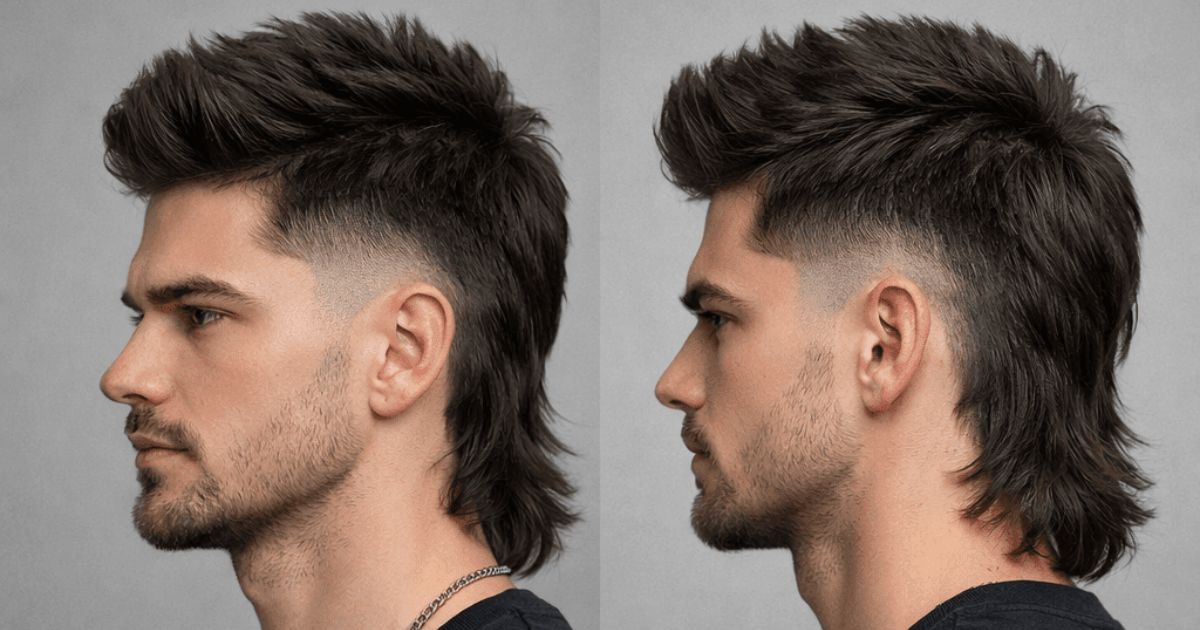
Mullets used to be a punchline. Now they’re one of the most requested cuts in modern barbershops, and the low taper fade version is the reason why. It softens the mullet’s rough edges without stripping away its personality, giving you a cut that feels intentional instead of accidental.
This guide breaks down everything worth knowing before you sit in the barber’s chair: what actually makes this cut different, which variations suit which hair types and face shapes, and how to keep it looking sharp between visits. No filler, just the details that help you get the cut right the first time.
What is a low taper fade mullet?
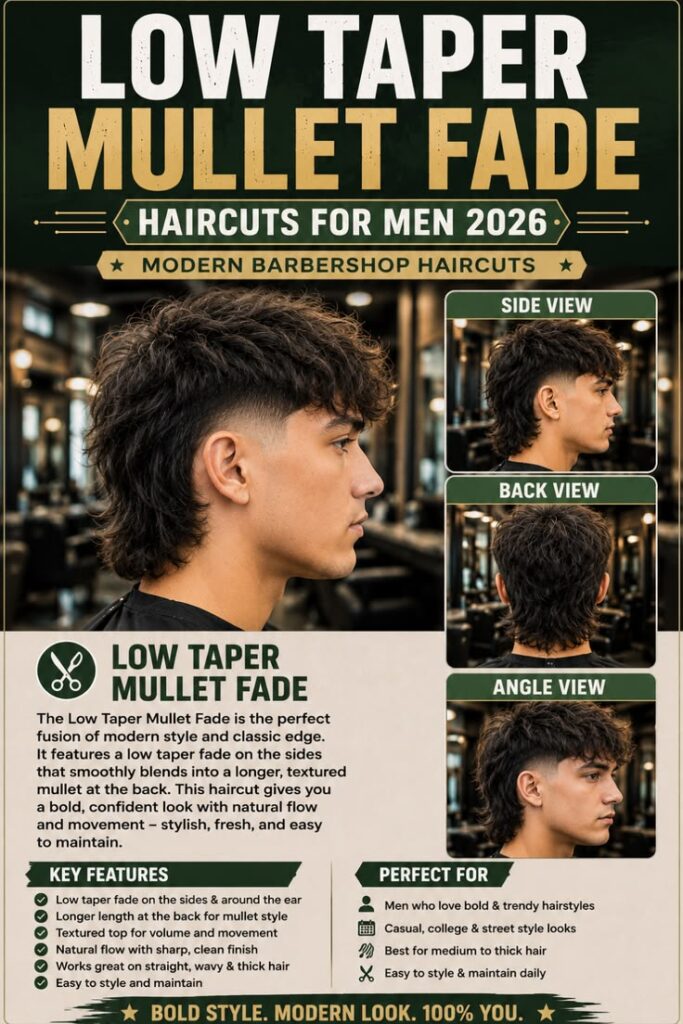
A low taper fade mullet is a hybrid haircut that pairs the classic mullet silhouette, shorter hair up top and around the sides, longer hair left at the back, with a fade that stays close to the hairline instead of climbing up the head.
Unlike a high or mid fade, which creates a sharp, high-contrast line, a low fade blends gradually, starting just above the ears and along the nape. The result is a cut that reads as tidy and modern rather than dated or harsh.
The features that define the cut
A few technical details separate this style from a standard mullet or a generic fade haircut:
- Fade placement: The gradient starts low, typically at or just above the ear line, rather than mid-scalp or near the temple.
- Top length: Usually left long enough to style, ranging from a textured crop to a swept-back look.
- Back length: The mullet’s signature feature, hair left noticeably longer at the crown and nape.
- Blend zone: A soft, seamless transition between the short sides and the longer back, avoiding visible lines.
- Neckline shape: Often rounded or naturally tapered rather than squared off, keeping the look casual.
| Feature | Low Taper Fade Mullet | Classic Mullet | High Fade Mullet |
| Fade start point | Near ear/nape | No fade, blunt cut | Mid-scalp or higher |
| Contrast level | Low to moderate | None | High |
| Formality | Business-casual friendly | Casual only | Edgy, streetwear |
| Maintenance frequency | Every 4-6 weeks | Every 6-8 weeks | Every 2-3 weeks |
Why choose a low taper fade mullet over other mullet styles?
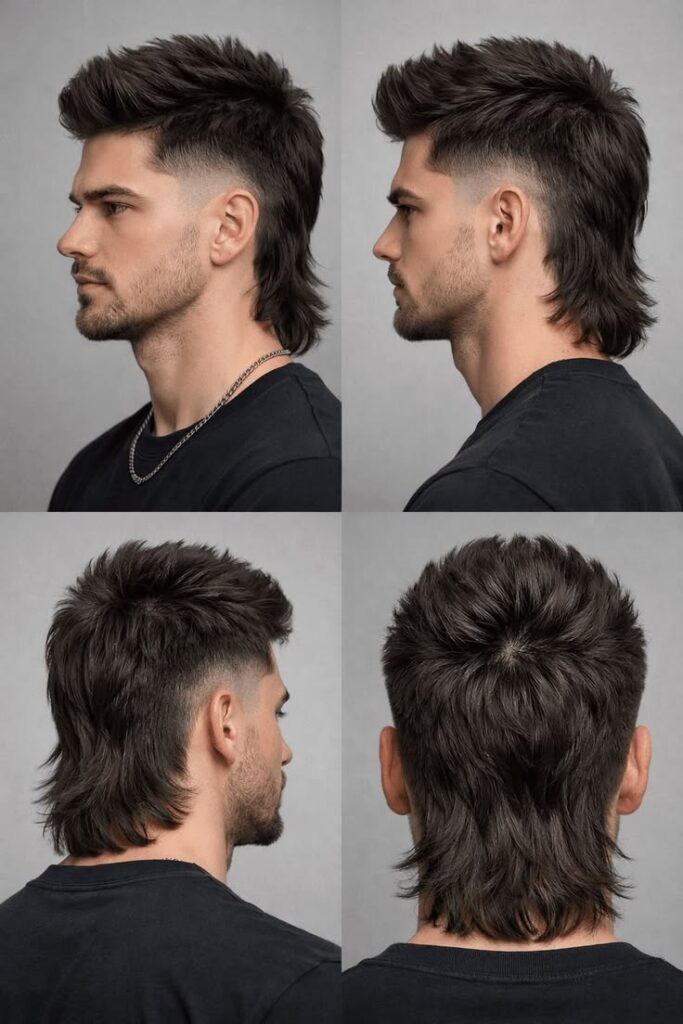
The low taper fade solves the biggest complaint people have about mullets: they can look messy or outdated. By keeping the fade subtle, this version stays wearable in more settings, offices, gyms, everyday life, while still holding onto the length and attitude that make a mullet fun.
Other reasons it’s become a go-to choice:
- Versatility: It adapts easily to straight, wavy, curly, or thick hair without losing its shape.
- Lower maintenance than high fades: Because the taper is subtle, regrowth is less noticeable, so you can stretch time between trims.
- Face-shape friendly: The soft blend doesn’t create harsh lines that can exaggerate jaw width or forehead size.
- Easy transition: If you’re new to mullets, the low taper is a gentler entry point than a high-contrast fade.
Best low taper fade mullet styles and variations
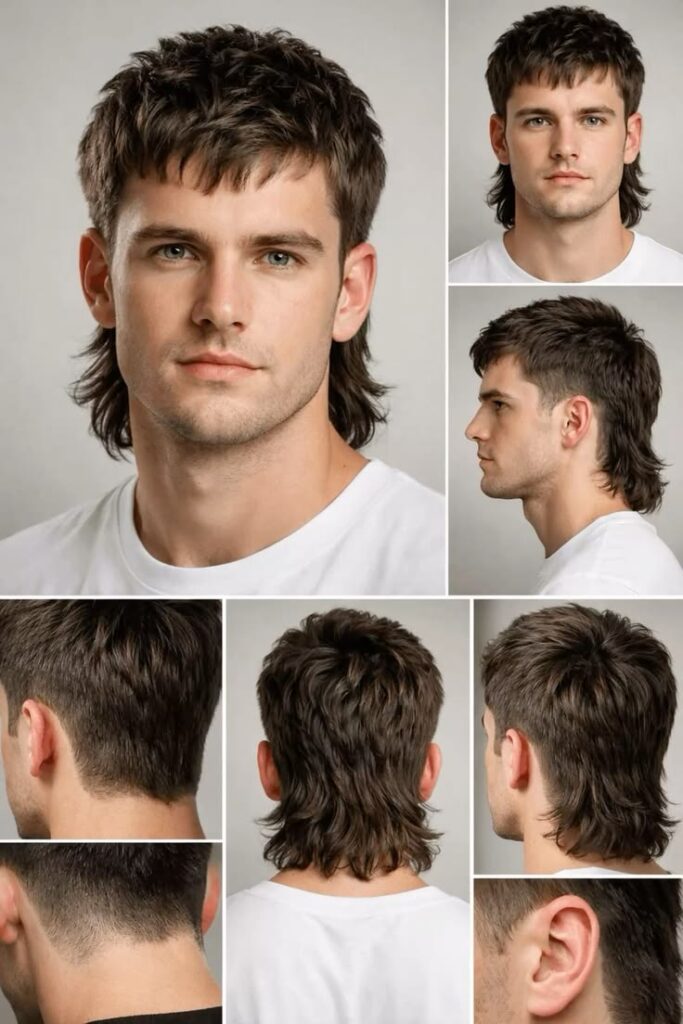
There’s no single way to wear this cut. Here are five variations that show up most often in barbershops right now.
The textured crop mullet
Short, choppy layers on top paired with a low taper and a moderate back length. This version relies on texture, matte paste or clay, rather than length for its impact, making it one of the lowest-maintenance takes on the style.
The curly mullet fade
Built specifically to work with natural curl pattern instead of fighting it. The top is left longer to let curls form definition, while the low taper keeps the sides controlled and neat.
The slicked-back business mullet
A polished, professional take. The top is grown out slightly longer and slicked back with a light-hold pomade, while the low taper keeps the sides conservative enough for office settings.
The shaggy surfer mullet
Loose, tousled layers with a lived-in feel. This variation skips sharp styling in favor of a natural, wind-blown look, and pairs especially well with wavy or fine hair.
The wolf cut hybrid
A trendier fusion of the mullet and the layered “wolf cut.” Heavy layering throughout adds volume and movement, and the low taper keeps the overall shape from looking overgrown.
Learn more:Taper Low Burst Fade: Styles, Barber Tips, and a Complete Guide
| Style | Best For | Styling Effort |
| Textured crop mullet | Straight or wavy hair, low upkeep | Low |
| Curly mullet fade | Curly or coily hair | Medium |
| Slicked-back business mullet | Professional settings | Medium |
| Shaggy surfer mullet | Wavy or fine hair | Low |
| Wolf cut hybrid | Thick hair, statement looks | Medium-High |
Short vs. long: which length is right for you?
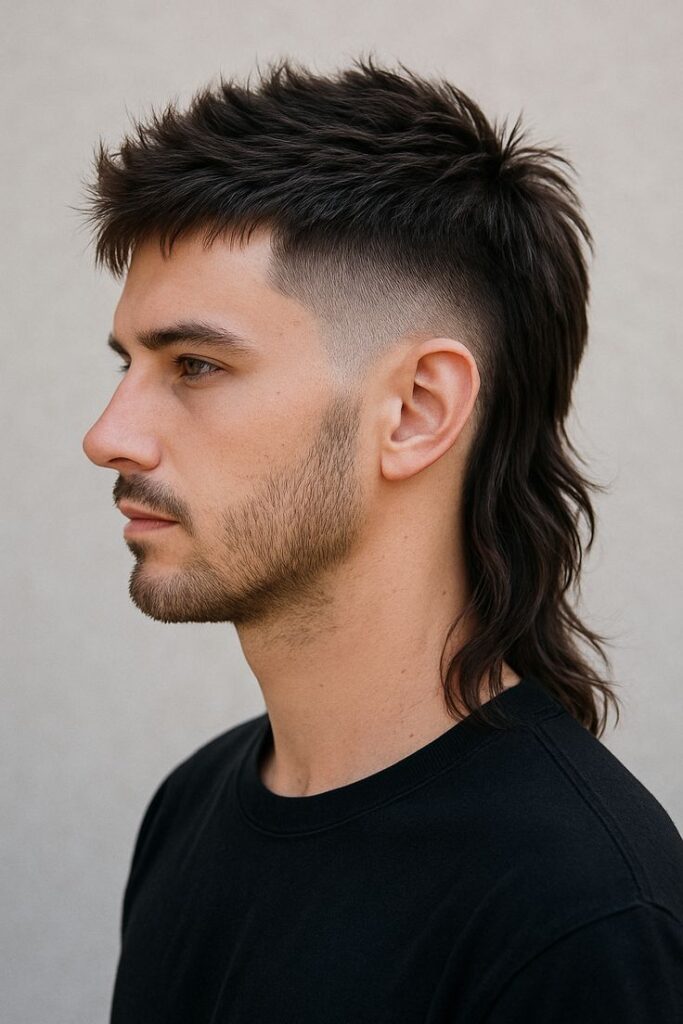
The length you choose at the back changes how bold, or subtle, the mullet reads.
| Length Type | Look | Maintenance | Best For |
| Short mullet (1-2 inches at back) | Subtle, office-friendly | Every 4 weeks | First-timers, professional environments |
| Medium mullet (2-4 inches) | Classic mullet balance | Every 5-6 weeks | Most face shapes and hair types |
| Long mullet (4+ inches) | Bold, statement-making | Every 6-8 weeks | Thicker hair, more casual lifestyles |
If you’re unsure, starting shorter is the safer move, you can always grow the back out over time, but correcting an overly long cut means starting over.
Low taper fade mullet for straight, wavy, curly, and thick hair
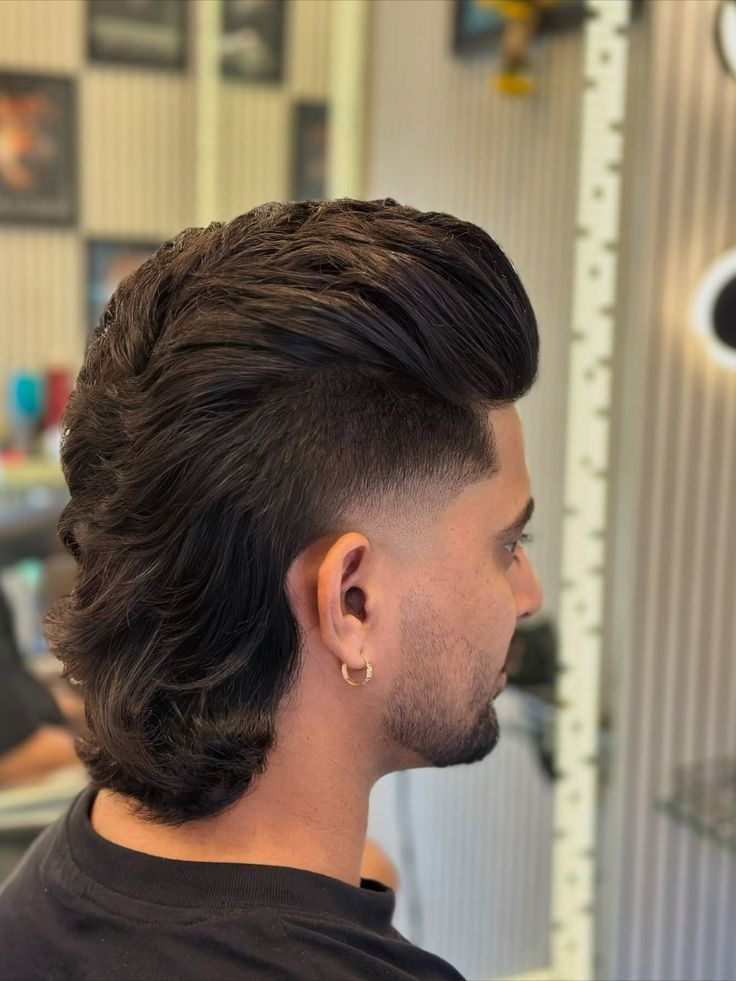
Hair type has a big influence on how this cut falls and how much styling it needs.
Straight hair
Straight hair shows the fade line clearly, which makes the blend between the taper and the length especially important. A textured crop or slicked-back version works well since straight strands hold styling products predictably.
Wavy hair
Wavy hair adds natural texture without much effort, making the shaggy surfer mullet or textured crop particularly low-maintenance. A light sea-salt spray enhances the wave pattern without weighing hair down.
Curly and coily hair
Curls add volume and shape on their own, so the curly mullet fade is the natural pairing. Ask your barber to cut with the curl pattern in mind rather than cutting dry hair straight across, since curls shrink significantly once dry.
Thick and fine hair
Thick hair holds the mullet’s length well and suits the wolf cut hybrid, which uses layering to prevent bulk. Fine hair benefits from shorter back lengths and lighter products, since heavy pastes can flatten it.
| Hair Type | Recommended Variation | Key Product |
| Straight | Textured crop or slicked-back | Matte clay or pomade |
| Wavy | Shaggy surfer mullet | Sea-salt spray |
| Curly/coily | Curly mullet fade | Curl cream or mousse |
| Thick | Wolf cut hybrid | Lightweight styling cream |
| Fine | Short-to-medium mullet | Volumizing mousse |
Which face shapes suit a low taper fade mullet best?

Because the low taper avoids sharp contrast, it flatters more face shapes than a high fade does. Still, small adjustments make a real difference.
- Round faces: Add height on top and keep the sides tight to create the illusion of length.
- Square faces: Softer, textured layers reduce the appearance of a strong jawline.
- Oval faces: Nearly any variation works well, this is the most flexible shape for the cut.
- Heart-shaped faces: Keep more volume at the crown and avoid excess width at the temples.
- Long faces: A shorter back length and fuller sides help balance overall proportions.
How to ask your barber for the perfect low taper fade mullet

Clear communication prevents the most common mullet mistakes. Bring reference photos and be specific about these details:
- Name the fade type: Say “low taper fade,” not just “fade”, this avoids getting a high or mid fade by mistake.
- Specify the back length: Use inches or a comparison (“keep two inches at the nape”) rather than vague terms like “a little longer.”
- Clarify the top length and style: Mention whether you want it textured, slicked back, or left shaggy.
- Discuss your hair type: Curly and wavy hair may need different cutting techniques than straight hair.
- Ask about blend zones: Request that the fade blend seamlessly into the length, avoiding a visible line.
How to style a low taper fade mullet at home, step by step
- Wash and towel-dry: Start with clean, damp, not soaking, hair for better product absorption.
- Apply the right product: Use texturizing mousse for volume, sea-salt spray for waves, or curl cream for curly hair.
- Blow-dry with direction: Use a round brush on top to add lift, and let the back air-dry or diffuse naturally.
- Define the top: Work a small amount of clay, paste, or pomade through the top section for texture or shine.
- Smooth the taper: Lightly comb or brush the sides to keep the fade looking clean and blended.
- Set the back: Scrunch or lightly finger-comb the back to maintain natural movement without over-styling.
How often should you trim and maintain it?
Most low taper fade mullets need a trim every four to six weeks to keep the fade sharp, though the exact timing depends on how fast your hair grows and how bold you want the contrast.
| Maintenance Task | Frequency |
| Fade touch-up | Every 2-3 weeks |
| Full trim (sides + back shape) | Every 4-6 weeks |
| Deep conditioning (curly/thick hair) | Weekly |
| Product refresh (clay, paste, mousse) | As needed, daily use |
Between visits, keep the sides in check with clippers at home if you’re comfortable, but leave the back length and blend to your barber to avoid uneven results.
Conclusion
The low taper fade mullet works because it takes the boldest parts of a classic mullet and grounds them with a clean, low-contrast fade. It’s flexible enough to suit nearly any hair type, face shape, or lifestyle, which explains why it’s stuck around well past its trend-cycle moment.
Whether you go short and subtle or long and shaggy, the key is clear communication with your barber and a maintenance routine that fits your hair type. Get those two things right, and this cut will look sharp for months, not just after a fresh trim.